


Thyroid Health: A Complete Guide to Hormone Balance and Wellness
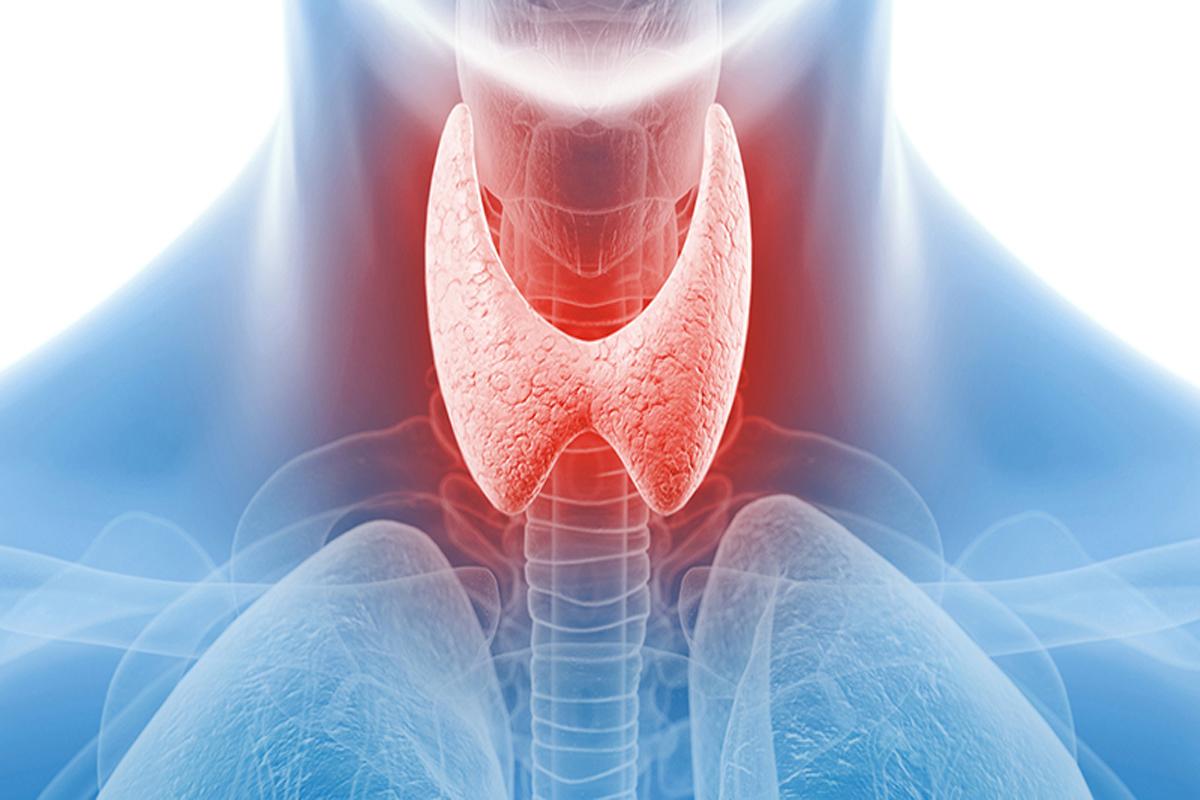
Your body works like a well-organized system where every organ has a special role. One small but powerful gland that often goes unnoticed is the thyroid. Even though it is tiny, it has a huge impact on your energy, weight, mood, and overall well-being. Understanding and caring for Thyroid Health can help you feel more balanced, active, and mentally clear.
This article explains everything you need to know about the thyroid in simple language — what it does, common problems, warning signs, and natural ways to support it.
What Is the Thyroid Gland?
The thyroid is a small, butterfly-shaped gland located at the front of your neck. It wraps around your windpipe just below your Adam’s apple. Although small, it plays a big role in controlling your metabolism — the process that turns food into energy.
The thyroid produces two main hormones:
- T3 (Triiodothyronine)
- T4 (Thyroxine)
These hormones travel through your bloodstream and affect almost every cell in your body. They control how fast or slow your body works. When your thyroid is healthy, everything runs smoothly. When it is not, many body systems can be affected.
Why Thyroid Health Matters
Good Thyroid Health means your hormone levels are balanced. When hormones are balanced, you may experience:
- Steady energy levels
- Healthy body weight
- Clear thinking
- Stable mood
- Healthy skin and hair
- Normal heart rate
However, when the thyroid produces too much or too little hormone, it can cause noticeable problems.
Common Thyroid Disorders
1. Hypothyroidism (Underactive Thyroid)
This happens when the thyroid does not produce enough hormones. It slows down body processes.
Common symptoms:
- Fatigue and low energy
- Weight gain
- Feeling cold often
- Dry skin
- Hair thinning
- Depression or low mood
- Constipation
Hypothyroidism develops slowly, so symptoms may appear gradually.
2. Hyperthyroidism (Overactive Thyroid)
This occurs when the thyroid produces too much hormone. It speeds up body processes.
Common symptoms:
- Weight loss
- Fast heartbeat
- Anxiety or nervousness
- Sweating
- Trouble sleeping
- Tremors in hands
3. Thyroid Nodules
These are lumps that can form in the thyroid gland. Many are harmless, but some may need medical attention.
4. Thyroiditis
This is inflammation of the thyroid. It can cause temporary changes in hormone levels.
What Causes Thyroid Problems?
Several factors can affect Thyroid Health:
1. Iodine Imbalance
Iodine is essential for making thyroid hormones. Too little or too much iodine can cause problems.
2. Autoimmune Conditions
Sometimes the immune system attacks the thyroid by mistake.
3. Stress
Long-term stress can disrupt hormone balance.
4. Genetics
Family history increases risk.
5. Hormonal Changes
Pregnancy and menopause can affect thyroid function.
6. Nutrient Deficiencies
Lack of selenium, zinc, iron, or vitamin D may impact thyroid function.
Early Signs You Should Not Ignore
Thyroid issues can be subtle. Watch for:
- Constant tiredness
- Sudden weight changes
- Mood swings
- Hair loss
- Changes in menstrual cycle
- Brain fog
- Swelling in the neck
If symptoms persist, it’s wise to get a simple blood test to check hormone levels.
How to Support Thyroid Health Naturally
Taking care of your thyroid does not need to be complicated. Small daily habits can make a big difference.
1. Eat a Balanced Diet
Nutrition plays a key role in supporting Thyroid Health.
Foods Rich in Iodine
- Seaweed
- Iodized salt
- Dairy products
Do not overconsume iodine — balance is important.
Selenium-Rich Foods
- Brazil nuts
- Sunflower seeds
- Eggs
Selenium helps convert T4 into active T3 hormone.
Zinc Sources
- Pumpkin seeds
- Chickpeas
- Nuts
Iron-Rich Foods
- Spinach
- Lentils
- Lean meats
Iron helps transport oxygen and supports hormone production.
2. Support Gut Health
Your gut and thyroid are connected. Poor digestion can affect hormone balance.
To improve gut health:
- Eat fiber-rich foods
- Include fermented foods
- Stay hydrated
- Avoid excessive processed food
A healthy gut may help improve hormone absorption and balance.
3. Manage Stress Effectively
Chronic stress increases cortisol, which can interfere with thyroid hormones.
Simple stress management tips:
- Practice deep breathing
- Try yoga or stretching
- Walk daily
- Get enough sleep
- Reduce screen time before bed
Managing stress is essential for maintaining stable Thyroid Health.
4. Get Enough Sleep
Your hormones reset during sleep. Lack of sleep can worsen thyroid imbalance.
Aim for:
- 7–8 hours of sleep
- A regular sleep schedule
- A dark and cool bedroom
5. Exercise Regularly
Movement improves circulation and metabolism.
Best exercises:
- Walking
- Light strength training
- Swimming
- Cycling
Avoid overtraining, especially if you have thyroid imbalance, as it may increase stress hormones.
6. Avoid Toxins
Environmental toxins may disrupt hormones.
Reduce exposure by:
- Avoiding plastic food containers
- Choosing natural cleaning products
- Washing fruits and vegetables properly
Thyroid Health and Weight Management
Many people struggle with weight changes due to thyroid issues.
With an underactive thyroid:
- Metabolism slows
- Fatigue reduces activity
- Weight gain becomes easier
With an overactive thyroid:
- Weight loss may occur unexpectedly
Balanced Thyroid Health helps maintain a stable metabolism, making weight management easier.
Thyroid Health and Mental Well-Being
Thyroid hormones influence brain function.
Low thyroid function may cause:
- Brain fog
- Depression
- Memory issues
High thyroid function may cause:
- Anxiety
- Irritability
- Restlessness
If you notice mood changes along with physical symptoms, your thyroid may be involved.
Thyroid Health in Women
Women are more likely to experience thyroid disorders.
Hormonal changes during:
- Pregnancy
- Postpartum
- Menopause
can affect thyroid balance. Women should monitor symptoms carefully, especially if there is a family history.
Thyroid Health in Men
Though less common, men can also develop thyroid problems.
Signs in men may include:
- Low energy
- Muscle weakness
- Mood changes
- Reduced libido
Awareness is important because symptoms may be mistaken for stress or aging.
The Role of Regular Testing
A simple blood test can measure:
- TSH (Thyroid Stimulating Hormone)
- T3
- T4
Early detection makes management easier. Regular checkups are helpful, especially if you have symptoms or family history.
Can Diet Alone Fix Thyroid Problems?
Diet and lifestyle can strongly support Thyroid Health, but severe thyroid disorders may require medical supervision.
Natural support works best when combined with:
- Healthy eating
- Stress control
- Consistent sleep
- Physical activity
Never ignore persistent symptoms.
Simple Daily Routine for Better Thyroid Health
Here is a practical routine:
Morning:
- Drink warm water
- Light stretching
- Protein-rich breakfast
Afternoon:
- Balanced lunch with vegetables
- Short walk
Evening:
- Light dinner
- Relaxation activity
- Early bedtime
Consistency is key.
Myths About Thyroid Health
Myth 1: Only older people get thyroid problems
Truth: It can affect people at any age.
Myth 2: Weight gain always means thyroid problem
Truth: Many factors cause weight gain.
Myth 3: Thyroid disorders cannot improve
Truth: With proper care, symptoms can be managed effectively.
When to See a Doctor
Seek medical advice if you notice:
- Persistent fatigue
- Rapid heart rate
- Unexplained weight change
- Swelling in the neck
- Severe mood changes
Early action prevents complications.
Long-Term Outlook
With proper care, most people live normal, healthy lives even with thyroid disorders. Awareness, lifestyle improvements, and monitoring hormone levels can significantly improve quality of life.
Supporting Thyroid Health is not about quick fixes. It’s about consistent habits that nourish your body and protect hormone balance over time.
Final Thoughts
Your thyroid may be small, but its impact is powerful. It influences how you feel, think, move, and function every day. Paying attention to symptoms, eating a balanced diet, managing stress, and staying active can go a long way in maintaining healthy hormone levels.
By making small changes today, you can protect your energy, metabolism, and overall well-being for years to come. If you are looking for additional support alongside a healthy lifestyle,
this product is very helpful for this problem.
Catégories
Lire la suite
Cuando se trata de transformar tu jardín en un espacio impecable, elegante y digno de admiración, elegir el mejor cortasetos no es simplemente una opción: es una decisión que cambia por completo la forma en que cuidas tu entorno exterior. Con Etivia Yardena, no estás comprando una herramienta común; estás invirtiendo en rendimiento profesional,...

Introduction A TV is one of the most important devices in any household, providing entertainment, news, and connectivity. But when your TCL television develops a fault, the quality of repair and the parts used becomes a major concern. Many users often ask: “Are genuine spare parts used by the TCL TV Service Center?” The answer is yes — authorized TCL TV Service Center use 100%...

Smart DNS for Geo-Unblocking Bypassing streaming geo-blocks poses challenges when IP detection restricts content by location. Traditional VPNs encrypt all traffic, creating slowdowns problematic for video streaming. Smart DNS offers an alternative solution that maintains speed while overcoming regional barriers. This technology strategically reroutes only specific DNS queries through approved...

The modern housing market is overwhelming, overpriced, and increasingly out of reach. But what if there was a faster, smarter, and far more exciting way to claim your independence? Enter tiny house kits, the game-changing solution that’s turning ordinary dreams into extraordinary realities. These innovative builds eliminate the stress of traditional construction and replace it with...

Benefits of Using Certification Exam Preparation Material Certification exams help people grow in their careers. They help you get better jobs. They also help you earn more money. Many students want to pass the C2010-530 exam on the first attempt. This exam is offered by IBM. However, exam preparation can feel difficult. There are many books to read and many topics to cover. This is why using...
