Oral Health: Complete Guide to Healthy Teeth and Gums
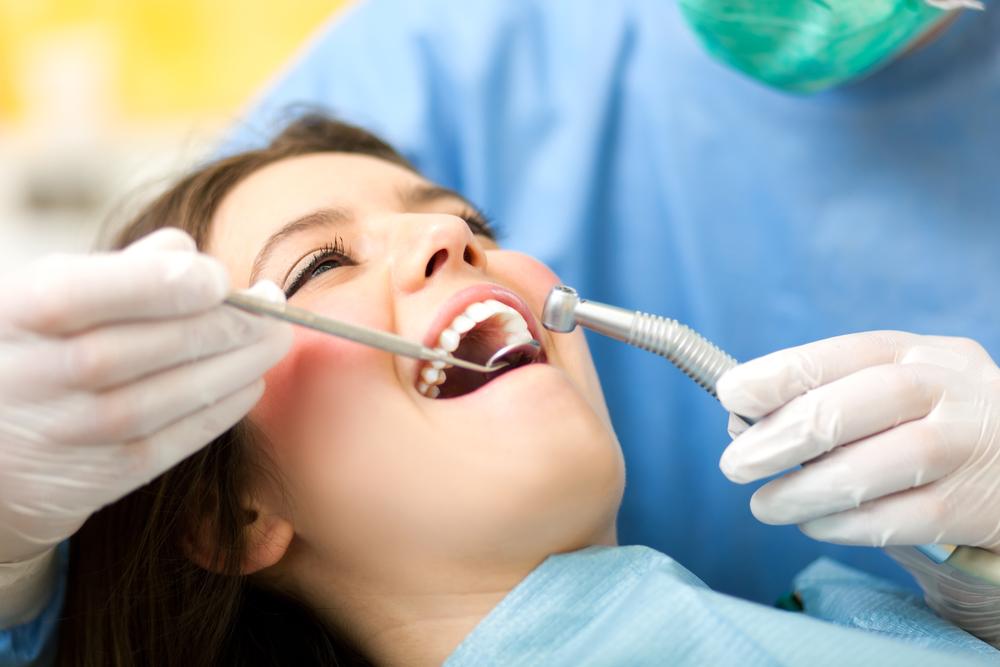
Good oral Health is essential for overall well-being. Your mouth is the first step in digestion and plays an important role in speaking, eating, and social interaction. Poor oral Health can lead to tooth decay, gum disease, bad breath, and discomfort while eating.
Many people ignore oral care until they experience pain. However, prevention is always better than treatment. Taking care of your teeth and gums daily can help you maintain a confident smile and avoid serious dental problems in the future.
In this guide, you will learn simple and practical ways to improve oral Health through proper hygiene, nutrition, and lifestyle habits.
Why Oral Health Is Important
Oral Health is not only about having white teeth. It is connected to overall body health. Poor oral hygiene can affect other parts of the body as well.
Good oral Health helps you:
- Speak clearly
- Eat comfortably
- Maintain confidence
- Prevent infections
- Improve digestion
Neglecting oral care can lead to pain, swelling, and expensive dental treatments. Maintaining good oral Health is a lifelong investment.
Common Oral Health Problems
Many people experience dental problems at different stages of life.
Tooth Decay
Tooth decay happens when bacteria break down food particles and produce acids that damage tooth enamel.
Gum Disease
Gum disease causes redness, swelling, and bleeding gums. If untreated, it can lead to tooth loss.
Bad Breath
Bad breath may result from poor oral hygiene, food particles, or stomach problems.
Tooth Sensitivity
Some people experience pain when eating hot or cold foods.
Understanding these problems helps you take better care of oral Health.
The Importance of Daily Brushing
Brushing is the foundation of oral Health. It removes food particles and bacteria from teeth surfaces.
How to Brush Properly
- Brush at least twice a day
- Use gentle circular motions
- Brush for at least two minutes
- Clean all tooth surfaces
Do not brush too hard because it can damage gums and enamel.
Replace your toothbrush every 3 to 4 months or when bristles become worn out.
Good brushing habits are essential for maintaining oral Health.
Flossing for Better Oral Health
Flossing is often ignored but is extremely important.
Flossing helps remove food particles between teeth where toothbrushes cannot reach.
Benefits of flossing include:
- Reducing plaque buildup
- Preventing gum disease
- Improving breath freshness
Floss at least once daily to support better oral Health.
Mouthwash and Oral Hygiene
Mouthwash helps reduce bacteria and keeps breath fresh.
It can also help:
- Reduce plaque
- Support gum health
- Clean hard-to-reach areas
However, mouthwash should not replace brushing and flossing. It should be used as a complementary part of oral Health care.
Nutrition and Oral Health
Diet plays a major role in maintaining strong teeth and gums.
Calcium-Rich Foods
Calcium strengthens teeth and bones.
Good sources include:
- Milk
- Cheese
- Yogurt
- Leafy vegetables
Vitamin C for Gum Health
Vitamin C supports gum tissue and healing.
Sources include:
- Oranges
- Strawberries
- Bell peppers
Avoid Excess Sugar
Sugar promotes bacterial growth and tooth decay. Limiting sugary snacks and drinks helps maintain oral Health.
Drinking water after meals helps remove food particles and sugar residues.
The Role of Water in Oral Health
Water is important for saliva production.
Saliva helps:
- Clean mouth bacteria
- Neutralize acids
- Protect tooth enamel
Drink enough water throughout the day to maintain good oral Health.
Importance of Regular Dental Checkups
Regular dental visits help detect problems early.
Dental checkups help monitor:
- Tooth decay
- Gum condition
- Oral infections
Early detection makes treatment easier and more effective. Regular visits are an important part of maintaining oral Health.
Preventing Tooth Decay
Tooth decay is one of the most common dental problems.
You can prevent it by:
- Brushing regularly
- Flossing daily
- Reducing sugar intake
- Drinking water after meals
Healthy habits help protect teeth from damage.
Gum Health and Oral Care
Healthy gums are essential for strong teeth.
Signs of gum problems include:
- Bleeding gums
- Swelling
- Pain while chewing
To maintain gum health:
- Brush gently
- Floss carefully
- Avoid smoking
Good gum care supports overall oral Health.
Effects of Smoking on Oral Health
Smoking is harmful to oral Health.
It can cause:
- Bad breath
- Gum disease
- Tooth discoloration
- Increased risk of infections
Avoiding smoking improves dental health and overall body health.
Alcohol and Oral Health
Excess alcohol consumption can dry the mouth.
Dry mouth increases the risk of bacterial growth and tooth decay.
Limiting alcohol consumption helps maintain better oral Health.
Children and Oral Health
Children need proper dental care from an early age.
Parents should:
- Teach children to brush properly
- Limit sugary snacks
- Schedule regular dental checkups
Developing good habits early supports lifelong oral Health.
Oral Health for Adults
Adults often face dental problems due to stress and lifestyle habits.
Working professionals should:
- Avoid skipping meals
- Drink enough water
- Reduce stress
Maintaining good oral Health improves productivity and confidence.
Oral Health for Older Adults
Older adults may experience:
- Dry mouth
- Tooth sensitivity
- Gum recession
Proper nutrition, regular dental care, and good hygiene help maintain oral Health during aging.
Bad Breath Prevention
Bad breath can be embarrassing but is usually preventable.
Tips to prevent bad breath include:
- Brushing tongue gently
- Drinking water regularly
- Avoiding strong-smelling foods
Maintaining good oral hygiene helps keep breath fresh.
The Connection Between Oral Health and Overall Health
Oral Health is connected to general body health.
Poor oral hygiene may affect:
- Heart health
- Digestion
- Immune system
Taking care of your mouth contributes to overall wellness.
Stress and Oral Health
Stress can cause teeth grinding and jaw pain.
Managing stress helps protect teeth from damage.
Stress management techniques include:
- Exercise
- Meditation
- Proper sleep
Mental health plays an important role in oral Health.
Teeth Whitening and Oral Health
Many people want brighter teeth.
Natural appearance can be maintained by:
- Good brushing habits
- Avoiding staining foods
- Regular dental care
Avoid aggressive whitening methods that may damage enamel.
Technology and Oral Health
Modern technology has improved dental care.
Digital dental tools help dentists detect problems early and provide better treatment options.
Technology supports better oral Health care and treatment accuracy.
Common Myths About Oral Health
Myth 1: Brushing Hard Makes Teeth Cleaner
Brushing too hard can damage gums and enamel.
Myth 2: Only Sugar Causes Tooth Decay
Any carbohydrate food can contribute to decay if oral hygiene is poor.
Myth 3: Bleeding Gums Are Normal
Bleeding gums may indicate gum disease.
Understanding facts improves oral Health awareness.
Creating a Daily Oral Care Routine
A simple routine can improve dental health.
Morning:
- Brush teeth
- Drink water
After Meals:
- Rinse mouth
Night:
- Brush and floss before sleeping
Consistency is important for maintaining oral Health.
Oral Health and Confidence
A healthy smile improves self-confidence.
Good oral Health helps you feel comfortable while speaking, smiling, and interacting with others.
Confidence plays an important role in social and professional success.
Maintaining Long-Term Oral Health
Long-term dental health requires consistent effort.
Follow these tips:
- Maintain balanced diet
- Avoid smoking and excess sugar
- Visit dentist regularly
- Practice proper hygiene
Preventive care is better than treatment.
Final Thoughts
Oral Health is an important part of overall wellness. Simple daily habits can protect your teeth and gums from damage. Proper brushing, flossing, healthy diet, and regular dental visits are key to maintaining strong oral Health.
Taking care of your mouth improves confidence, comfort, and quality of life. Start small and stay consistent with your oral care routine.
Remember that prevention is always better than treatment.
this product is very helpful for this problem.
الأقسام
إقرأ المزيد
In today’s fast-moving global economy, business success depends on clarity. Industries are transforming rapidly, customer preferences evolve overnight, and competition intensifies across both traditional and emerging sectors. In such an environment, relying solely on instinct or past experience is no longer enough. Sustainable growth requires structured insight, credible data, and...

The South Korea lubricants market is evolving rapidly, driven by various competitive dynamics. In 2024, the market size is projected to reach approximately $2,660 million, reflecting a robust trajectory that signals opportunities for key players. With a compound annual growth rate (CAGR) of 6.38%, the overall market is expected to grow to $5,250 million by 2035, according to Market Research...

International digital marketing can be challenging, especially when it comes to communication tools. Many global businesses buy WeChat accounts to quickly enter the large Asian market. Western entrepreneurs and digital agencies often face tough verification steps and security blocks when trying to register on their own. Working with a trusted provider like Usaaccountmarket helps you avoid these...

Fairplay login opens the door to a new era of sports entertainment by providing you the opportunity to access the live event digitally through a comfortable platform should you prefer to keep up with the happenings in sports. Having an easy procedure of login and a user-friendly interface, the player is able to easily enter their account and navigate the whole site. Whether it is fairplay...

En los últimos años, las bodas íntimas han ganado popularidad entre parejas que buscan experiencias más personales, auténticas y memorables. En este contexto, elegir restaurantes para bodas pequeñas se ha convertido en una de las mejores opciones para quienes desean una celebración elegante, cuidada y con atención al detalle. Si...