Dental Health: Complete Guide to Strong Teeth and Healthy Gums
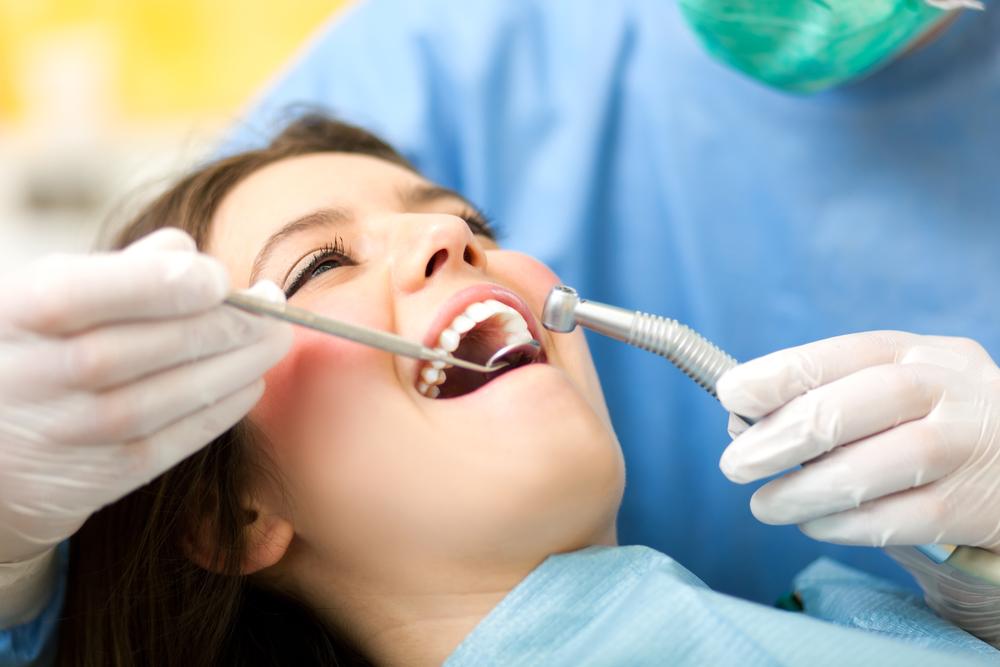
Good dental Health is essential for overall wellness. Your mouth is the gateway to your body. Healthy teeth and gums help you eat comfortably, speak clearly, and smile confidently. Poor dental care can lead to pain, infection, and other health problems.
Many people think dental care is only about brushing teeth. However, true dental Health involves diet, lifestyle habits, oral hygiene routines, and regular checkups. In this guide, you will learn how to maintain strong teeth and healthy gums using simple daily practices.
What Is Dental Health?
Dental Health refers to the condition of your teeth, gums, tongue, and mouth tissues. Good dental health means:
- Strong teeth without cavities
- Healthy gums without bleeding
- Fresh breath
- No oral pain or infection
Maintaining good dental Health improves confidence and quality of life.
Your mouth contains many bacteria. Some bacteria are helpful, but harmful bacteria can cause plaque, cavities, and gum disease. Proper oral care helps control harmful bacteria.
Why Dental Health Is Important
Dental health affects more than just your smile. It also influences:
- Digestion
- Speech clarity
- Nutrition intake
- Heart health
- Overall immunity
Poor dental Health may lead to infections that spread to other parts of the body. That is why oral care is important from childhood through old age.
Common Dental Problems
1. Tooth Decay
Tooth decay is one of the most common dental problems.
Causes include:
- Sugary foods
- Poor brushing habits
- Bacterial plaque buildup
Symptoms include:
- Tooth pain
- Sensitivity to hot and cold
- Dark spots on teeth
Early care protects dental Health from serious damage.
2. Gum Disease
Gum disease affects the tissues supporting teeth.
Stages include:
- Gingivitis – Early stage with bleeding gums
- Periodontitis – Advanced infection affecting bone support
Symptoms include:
- Swollen gums
- Bleeding while brushing
- Bad breath
Proper oral hygiene helps prevent gum disease.
3. Bad Breath
Bad breath may result from:
- Poor oral hygiene
- Food particles in mouth
- Stomach problems
- Dry mouth
Maintaining good dental Health helps maintain fresh breath.
4. Tooth Sensitivity
Sensitive teeth react to hot, cold, or sweet foods.
Causes include:
- Worn enamel
- Gum recession
- Tooth damage
Proper dental care reduces sensitivity.
Causes of Poor Dental Health
Several factors can affect dental health.
Poor Oral Hygiene
Not brushing or flossing regularly leads to plaque buildup.
High Sugar Diet
Sugar feeds harmful bacteria in the mouth.
Smoking and Alcohol
These habits increase gum disease risk.
Dry Mouth
Saliva protects teeth. Low saliva increases cavity risk.
Genetics
Some people may be more prone to dental problems.
Improving dental Health requires addressing these factors.
Early Warning Signs of Dental Problems
Watch for these symptoms:
- Tooth pain
- Swollen gums
- Bleeding while brushing
- Mouth sores
- Persistent bad breath
- Loose teeth
Early treatment helps protect long-term dental Health.
Best Foods for Dental Health
Diet plays a major role in oral health.
Calcium-Rich Foods
Calcium strengthens teeth and bones.
Good sources:
- Milk
- Yogurt
- Cheese
- Almonds
Vitamin D Foods
Vitamin D helps the body absorb calcium.
Sources:
- Eggs
- Fortified foods
- Sunlight exposure
Fiber-Rich Foods
Fiber stimulates saliva production.
Examples:
- Apples
- Carrots
- Leafy vegetables
These foods support dental Health naturally.
Phosphorus-Rich Foods
Phosphorus helps rebuild tooth enamel.
Sources:
- Fish
- Eggs
- Nuts
Water
Water removes food particles and bacteria.
Drink water after meals for better oral hygiene.
Daily Oral Care Routine
Morning Routine
- Brush teeth after waking up
- Clean tongue
- Drink water
Brushing removes overnight bacteria buildup.
Afternoon Routine
- Rinse mouth after meals
- Avoid excessive sugary snacks
This helps maintain dental Health throughout the day.
Night Routine
- Brush teeth before sleeping
- Floss between teeth
- Avoid late-night sugary foods
Nighttime cleaning is very important because bacteria grow during sleep.
Proper Brushing Techniques
Many people brush incorrectly.
Follow these steps:
- Use soft-bristle toothbrush
- Brush for at least two minutes
- Move brush gently in circular motions
- Clean all tooth surfaces
Avoid aggressive brushing, which can damage gums.
Proper brushing improves long-term dental Health.
Importance of Flossing
Flossing removes food particles between teeth where brushes cannot reach.
Flossing helps:
- Prevent cavities
- Reduce gum disease
- Improve breath freshness
Floss at least once daily.
Tongue Cleaning
The tongue can collect bacteria.
Use:
- Tongue scraper
- Soft brush
Cleaning the tongue improves oral hygiene and supports dental Health.
Role of Saliva in Dental Health
Saliva protects teeth by:
- Washing away food particles
- Neutralizing acids
- Fighting bacteria
To improve saliva production:
- Drink enough water
- Avoid excessive caffeine
- Chew sugar-free gum (if recommended)
Dental Health and Lifestyle Habits
Quit Smoking
Smoking increases gum disease and oral cancer risk.
Limit Alcohol
Excess alcohol reduces saliva production.
Manage Stress
Stress can cause teeth grinding.
Healthy lifestyle habits support dental Health.
Dental Health for Children
Children need early dental care.
Parents should:
- Teach brushing habits
- Limit sugary snacks
- Schedule dental visits
- Encourage drinking water
Good childhood habits improve lifelong oral health.
Dental Health for Adults
Adults should focus on:
- Regular brushing and flossing
- Managing stress
- Eating balanced meals
- Visiting dentists regularly
Adults often face gum disease risks, so prevention is important.
Dental Health for Older Adults
Older adults may experience:
- Dry mouth
- Tooth wear
- Gum recession
Care tips include:
- Using gentle oral care products
- Drinking enough water
- Getting regular dental checkups
Supporting dental Health becomes more important with age.
Dental Health and Overall Body Health
Oral health is connected to overall body health.
Poor dental health may affect:
- Heart health
- Blood sugar control
- Immune system
Good oral care supports whole-body wellness.
Myths About Dental Health
Myth 1: Hard brushing cleans better
Reality: Gentle brushing is safer.
Myth 2: Only sugar causes cavities
Reality: Any carbohydrate can contribute to bacteria growth.
Myth 3: Dental care is only for children
Reality: Oral care is important for all ages.
When to Visit a Dentist
Visit a dentist if you notice:
- Tooth pain
- Gum bleeding
- Mouth sores
- Swelling in mouth or jaw
Regular checkups help maintain strong dental Health.
Dental Health and Modern Lifestyle
Modern habits affect oral health.
Tips include:
- Reduce sugary drinks
- Avoid constant snacking
- Maintain oral hygiene even during busy schedules
Small habits protect long-term dental wellness.
Simple Daily Dental Health Plan
Morning:
- Brush teeth
- Drink water
Afternoon:
- Rinse mouth after meals
- Eat healthy snacks
Evening:
- Brush and floss
- Relax before sleep
Consistency is key to maintaining dental Health.
Long-Term Dental Protection Tips
To protect teeth for life:
- Maintain good hygiene
- Eat balanced diet
- Avoid smoking
- Drink plenty of water
- Visit dentist regularly
These habits help preserve natural teeth.
Emotional Confidence and Dental Health
A healthy smile improves confidence.
Good oral health helps:
- Improve social interaction
- Boost self-esteem
- Improve communication
Taking care of your smile improves quality of life.
Final Thoughts
Your mouth is an important part of your body. Protecting your teeth and gums should be part of your daily routine. Good dental Health comes from consistent hygiene, balanced nutrition, and healthy lifestyle choices.
Start small, stay consistent, and make oral care a daily habit. Your smile and overall health will benefit in the long run. If you are looking for additional support for oral wellness,
Categories
Read More
Hearing is one of the most essential senses that helps us stay connected with the world. From conversations and music to alarms and everyday sounds, our ears play a crucial role in daily life. However, ear care is often overlooked until problems such as pain, ringing, infections, or hearing loss begin to appear. Maintaining good ear health is important not only for clear hearing but...

KlikFifa Parlay: Maximizing Wins with Smart Soccer Bets In the world of online sports betting, parlay betting has emerged as a favorite for many players looking to increase potential returns. KlikFifa Parlay specializes in this type of wagering, giving soccer enthusiasts the chance to combine multiple bets into a single, more rewarding experience. Understanding how to use this feature...

The rapid evolution of artificial intelligence has transformed the wearable technology landscape, and AI smart glasses are emerging as one of the most disruptive innovations. Combining AI capabilities with augmented reality, voice recognition, sensors, and real-time data processing, smart glasses are redefining how humans interact with digital information. Once considered experimental, these...
Bridal Affair, our wedding dress shop in Harrogate is dedicated to helping every bride-to-be find a gown that not only fits beautifully but also reflects her unique love story. Whether you dream of a timeless classic, a modern statement piece, or something romantic and whimsical, our collection of wedding dresses in Harrogate has something for every style and personality....
In today’s publishing world, trust is one of the most important factors for any author. Writing a book takes time, effort, and dedication, so authors want to be sure they are choosing the right publishing partner. At First Page Press, we understand how important this decision is. Every manuscript we receive represents a personal story, a creative vision, and often years of hard work. That...