Hydrogen Fuel Rail & Pressure Regulators Market Forecast 2026–2036: Global Market to Reach USD 1,844.6 Million by 2036 at 12.2% CAGR
The global Hydrogen Fuel Rail & Pressure Regulators Market is expected to witness strong growth over the next decade, expanding from approximately USD 583.4 million in 2026 to USD 1,844.6 million by 2036, registering a CAGR of 12.2%, according to analysis by Future Market Insights (FMI).
Market expansion is being driven by the accelerating adoption of hydrogen-powered vehicles, increased investment in hydrogen infrastructure, and the growing need for precision fuel delivery systems in hydrogen internal combustion engines (ICE) and fuel cell vehicles. Hydrogen fuel rails and pressure regulators play a critical role in ensuring safe and accurate hydrogen flow, enabling efficient engine performance and meeting stringent safety standards.
As the transportation sector transitions toward low-emission mobility solutions, automotive OEMs and suppliers are investing in advanced hydrogen-compatible components that deliver high-pressure performance, durability, and system reliability. The rising deployment of hydrogen fleets across passenger, commercial, and industrial segments is further strengthening demand for advanced fuel system components.
Hydrogen Fuel Rail & Pressure Regulators Market Snapshot (2026–2036)
-
Market size in 2026: USD 583.4 million
-
Market size in 2036: USD 1,844.6 million
-
CAGR (2026–2036): 12.2%
-
Leading pressure class: 350 bar systems
-
Key growth regions: China, United States, Germany, United Kingdom, Brazil
-
Key companies: Bosch, Parker Hannifin, Emerson, Eaton, Hexagon Purus, Denso, Continental
Momentum in the Market
Starting at around USD 583.4 million in 2026, the hydrogen fuel rail and pressure regulators market is expected to experience substantial growth as hydrogen-powered mobility gains momentum globally. Between 2026 and 2031, the market is projected to grow to approximately USD 924.6 million, representing an absolute increase of USD 341.2 million.
Growth during this period is largely driven by increasing adoption of hydrogen fuel systems in passenger vehicles, commercial fleets, and industrial equipment. The expansion of hydrogen fueling infrastructure and government-backed decarbonization initiatives is also strengthening demand for reliable fuel system components.
Between 2031 and 2036, the market is forecast to accelerate significantly, reaching USD 1,844.6 million, with an additional USD 926.7 million in new value creation.
This expansion will be supported by large-scale fleet deployments, broader hydrogen vehicle adoption, and the commercialization of advanced hydrogen propulsion technologies.
The Reasons Behind the Market's Growth
Demand for hydrogen fuel rails and pressure regulators is rising as manufacturers focus on efficient hydrogen fuel management, system safety, and emission reduction. These components are essential for controlling hydrogen flow from storage tanks to the engine or fuel cell system.
Key factors driving market growth include:
-
Increasing adoption of hydrogen-powered vehicles and fuel cell technology
-
Rising investment in hydrogen refueling infrastructure
-
Strong focus on low-emission mobility solutions
-
Development of high-pressure hydrogen delivery systems
-
Expansion of OEM hydrogen vehicle programs
Hydrogen fuel rails and regulators are designed to deliver precise hydrogen pressure and maintain consistent fuel supply, which is critical for engine performance, combustion stability, and operational safety.
Top Segment: Pressure Class
350 Bar Systems Lead the Market
The 350 bar pressure class is expected to remain the leading segment in the hydrogen fuel rail and pressure regulators market. These systems are widely used in hydrogen-powered vehicles and industrial applications where precise pressure control is required for safe hydrogen delivery.
Manufacturers are focusing on developing pressure regulators capable of handling high-pressure hydrogen environments, ensuring durability, leak prevention, and long operational life. This capability is especially important in hydrogen vehicles where system reliability and safety are paramount.
Regional Development: Key Countries Driving Growth
Global market expansion is supported by strong growth in major economies investing in hydrogen mobility infrastructure and clean energy technologies.
Country Growth Outlook (CAGR 2026–2036)
-
China: 14.6%
-
Brazil: 13.8%
-
United States: 11.4%
-
Germany: 10.8%
-
United Kingdom: 10.6%
China leads global growth due to large-scale government incentives, hydrogen mobility programs, and expanding refueling infrastructure. Meanwhile, Brazil and the United States are experiencing rapid growth driven by investment in hydrogen fleets and research initiatives supporting clean transportation technologies.
In Europe, Germany and the United Kingdom are focusing on hydrogen-powered commercial vehicle adoption and infrastructure expansion, strengthening demand for hydrogen fuel system components.
Challenges, Trends, Opportunities, and Drivers
Drivers
-
Increasing adoption of hydrogen-powered vehicles
-
Expansion of hydrogen infrastructure and fueling stations
-
Rising demand for low-emission transportation technologies
Opportunities
-
Development of high-performance hydrogen fuel system components
-
OEM partnerships for hydrogen vehicle platforms
-
Expansion of hydrogen fleets and industrial applications
Trends
-
Integration of advanced hydrogen-compatible materials
-
Standardization of hydrogen fuel delivery systems
-
Increasing investment in hydrogen mobility ecosystems
Challenges
-
Limited hydrogen refueling infrastructure in some regions
-
High cost of hydrogen fuel system components
-
Technical challenges in managing high-pressure hydrogen systems
The Competitive Environment
The hydrogen fuel rail and pressure regulators market is becoming increasingly competitive as companies invest in advanced hydrogen fuel system technologies and strategic partnerships with automotive OEMs.
Key players operating in the market include Bosch, Parker Hannifin, Emerson, Eaton, Hexagon Purus, Denso, Continental, Weifu High-Technology, Hanwha, and Nikkiso.
These companies are focusing on:
-
Advanced hydrogen-compatible component design
-
High-precision pressure regulation technologies
-
OEM integration and long-term supply agreements
-
Scalable manufacturing capabilities for hydrogen mobility programs
Innovation in hydrogen fuel system architecture and expanding collaborations with automotive manufacturers will continue to shape competitive dynamics in the market.
For a deeper strategic analysis and detailed insights into emerging hydrogen mobility technologies, readers can explore the complete study on the Future Market Insights website - https://www.futuremarketinsights.com/reports/hydrogen-fuel-rail-pressure-regulators-market
Categorie
Leggi tutto
เริ่มต้นเดิมพันอย่างมั่นใจกับ UFASNAKEUFASNAKE เป็นแพลตฟอร์มคาสิโนออนไลน์ที่ถูกพัฒนาเพื่อตอบโจทย์ผู้เล่นยุคใหม่ ด้วยระบบเว็บตรงที่ไม่ผ่านเอเย่นต์ UFASNAKE เข้าสู่ระบบ ช่วยให้ผู้เล่นสามารถเข้าถึงเกมได้โดยตรง เพิ่มความโปร่งใสและลดความเสี่ยงจากการถูกโกง ทำให้ทุกการเดิมพันเต็มไปด้วยความมั่นใจและความปลอดภัยสูงสุดอย่างแท้จริงเสมอ ข้อดีของการเลือกใช้เว็บตรงคาสิโนออนไลน์การเลือกใช้เว็บตรงอย่าง UFASNAKE...

Perkembangan teknologi digital membuat banyak aktivitas beralih ke platform online, termasuk permainan angka yang dikenal sebagai togel. Dalam beberapa tahun terakhir, istilah seperti togel online, bandar togel, situs toto, dan nama seperti Alexistogel semakin sering muncul dalam percakapan di dunia internet. Hal ini terjadi karena banyak orang mencari cara baru untuk mengakses hiburan berbasis...

Team Building Strategies Building an effective team around Aino in Genshin Impact requires strategic selection of characters to maximize her potential and elemental reactions. One popular combination features Aino paired with Lauma, Ineffa, and Baizhu. This setup leverages their synergy to enhance damage output and sustainment. Another strong lineup includes Aino, Ineffa, Chasca, and Furina,...

In high-stakes industries, managing risk is not just a priority—it's a necessity. A single oversight in process design can lead to catastrophic failures, endangering lives, harming the environment, and causing significant financial loss. This is where Hazard and Operability (HAZOP) studies provide a critical line of defense. But how do professionals gain the skills to lead and contribute...

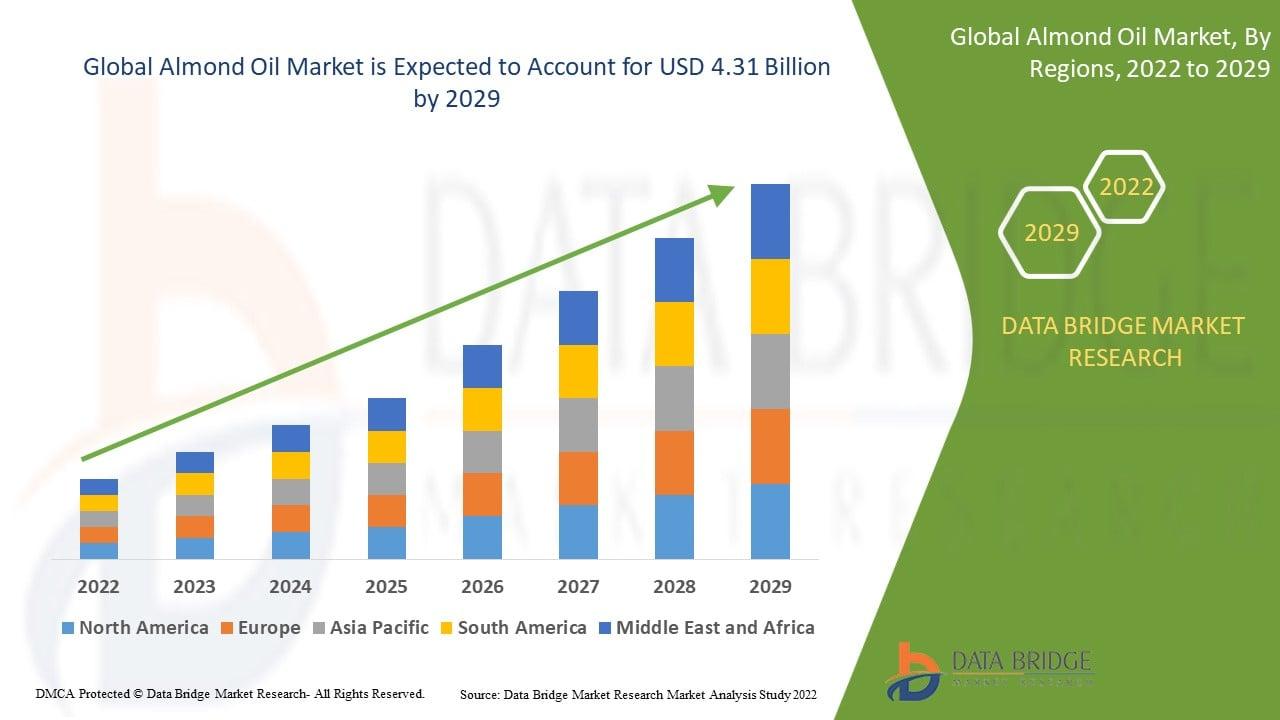
"Key Drivers Impacting Executive Summary Almond Oil Market Size and Share CAGR Value Data Bridge Market Research analyses that the almond oil market was valued at USD 2.1 billion in 2021 and is expected to reach the value of USD 4.31 billion by 2029, at a CAGR of 9.40% during the forecast period of 2022-2029. The Almond Oil Market report contains market insights and analysis for...