AquaFit: The Complete Guide to Water-Based Fitness, Strength, and Health

Staying physically active is one of the most important steps toward maintaining long-term health and wellness. However, many individuals struggle to find an exercise routine that is both effective and gentle on the body. High-impact workouts such as running or intense gym training may place pressure on joints and muscles, which can make consistent exercise difficult for some people.
Water-based exercise has emerged as an excellent alternative for individuals seeking a balanced, low-impact workout. One of the most widely practiced aquatic fitness programs today is AquaFit.
AquaFit combines cardiovascular training, strength exercises, and flexibility movements in a water environment. The natural resistance of water provides a challenging workout, while buoyancy reduces stress on joints and muscles. This unique combination makes AquaFit suitable for individuals of various ages, fitness levels, and health conditions.
This comprehensive guide explores the concept of AquaFit, how it works, its benefits, and how individuals can incorporate it into their fitness routines for improved physical and mental well-being.
What Is AquaFit?
AquaFit is a structured form of exercise performed in water, usually in a swimming pool. Participants perform a variety of movements such as jogging, stretching, resistance exercises, and aerobic routines while partially submerged in water.
Unlike traditional land-based workouts, AquaFit takes advantage of water's natural resistance to strengthen muscles. At the same time, the buoyancy of water supports the body and reduces pressure on joints.
Many fitness centers, community pools, and wellness facilities offer AquaFit classes led by certified instructors. These sessions typically include warm-up movements, cardiovascular exercises, strength routines, and cool-down stretches.
Because of the supportive nature of water, AquaFit workouts can be adapted to different fitness levels, making them suitable for beginners, experienced athletes, and individuals recovering from injuries.
Why AquaFit Is Gaining Popularity
In recent years, AquaFit has become increasingly popular as people look for safer and more enjoyable ways to stay active. Several factors contribute to the growing interest in aquatic fitness programs.
Low Impact on Joints
One of the primary advantages of AquaFit is its low-impact nature. Water buoyancy supports the body, which significantly reduces stress on joints such as the knees, hips, and spine.
This feature makes AquaFit especially appealing for individuals with joint discomfort or mobility challenges.
Effective Full-Body Workout
Water provides resistance in all directions, meaning muscles work continuously throughout each movement. This allows AquaFit to provide a full-body workout that engages multiple muscle groups simultaneously.
Suitable for All Fitness Levels
AquaFit exercises can be easily modified to suit beginners, intermediate participants, or advanced fitness enthusiasts.
Safe Exercise Environment
The water environment provides stability and reduces the risk of falls or injuries during workouts.
Enjoyable and Refreshing
Many people find exercising in water more enjoyable than traditional workouts. The cooling effect of water also helps regulate body temperature during physical activity.
The Science Behind AquaFit
The effectiveness of AquaFit workouts is largely due to the physical properties of water.
Water Resistance
Water is significantly denser than air, which means it provides constant resistance during movement. Every push, pull, and step requires muscles to work harder compared with performing the same motion on land.
Buoyancy
Buoyancy helps support the body in water. When submerged, individuals experience reduced body weight, which decreases the impact on joints and bones.
Hydrostatic Pressure
Water applies gentle pressure around the body. This pressure can support circulation and reduce swelling during exercise.
Thermal Regulation
Water helps regulate body temperature during workouts. This cooling effect allows individuals to exercise longer without overheating.
Health Benefits of AquaFit
AquaFit offers numerous physical and mental health benefits. These advantages make it a valuable addition to many fitness programs.
Improved Muscle Strength
Water resistance forces muscles to work continuously, helping improve strength and endurance.
Increased Flexibility
The supportive environment of water allows joints to move through a greater range of motion.
Better Cardiovascular Fitness
Continuous movement in water increases heart rate and improves cardiovascular endurance.
Weight Management Support
AquaFit workouts burn calories and contribute to energy expenditure, which may support weight management goals.
Improved Balance and Coordination
Maintaining stability in water engages core muscles and improves coordination.
Stress Reduction
Water exercise often creates a calming effect that can help reduce stress and improve overall mood.
Types of AquaFit Workouts
AquaFit includes several variations designed for different fitness goals and experience levels.
Shallow Water AquaFit
This form of AquaFit is performed in water that typically reaches waist or chest level. Participants perform walking, jogging, and resistance exercises using the water for support.
Deep Water AquaFit
Deep water sessions take place in areas where participants cannot touch the bottom of the pool. Flotation belts are often used to maintain balance while performing exercises.
Aqua Cardio Training
Aqua cardio classes focus on continuous movements designed to improve endurance and cardiovascular health.
Aqua Strength Training
Resistance equipment such as water dumbbells and paddles are used to increase muscle engagement.
Aqua Therapy
Aqua therapy programs are designed for individuals recovering from injuries or managing mobility limitations.
Equipment Used in AquaFit
Although water resistance alone can create effective workouts, certain equipment can enhance AquaFit exercises.
Foam Dumbbells
Foam dumbbells increase resistance during upper-body movements.
Resistance Gloves
These gloves increase surface area, making arm movements more challenging.
Pool Noodles
Noodles provide support and help improve balance during exercises.
Flotation Belts
Flotation belts are used during deep water workouts to help participants stay upright.
Kickboards
Kickboards support upper-body stability while focusing on leg exercises.
Who Can Benefit from AquaFit?
AquaFit is widely accessible and can benefit many types of individuals.
Beginners
People new to exercise can start with AquaFit because it is gentle and easy to learn.
Older Adults
Seniors often choose AquaFit because it improves mobility while minimizing joint stress.
Athletes
Athletes use AquaFit for cross-training and recovery workouts.
Individuals Recovering from Injury
Water workouts are commonly used in rehabilitation programs.
People Seeking Weight Management
Regular AquaFit sessions can help support calorie expenditure and physical fitness.
Starting an AquaFit Routine
Beginning an AquaFit program is relatively simple and does not require advanced experience.
Find a Local Pool or Fitness Center
Many community pools and gyms offer AquaFit classes led by trained instructors.
Wear Comfortable Swimwear
Proper swimwear allows unrestricted movement during water workouts.
Begin with Beginner Sessions
Starting with beginner classes helps individuals learn basic movements and proper technique.
Maintain Consistency
Regular participation is key to achieving long-term fitness benefits.
Combine with Healthy Habits
Balanced nutrition, hydration, and sufficient sleep help support overall wellness.
AquaFit and Weight Management
AquaFit can contribute to weight management by increasing energy expenditure during workouts. The resistance of water forces muscles to work harder, which may increase calorie burn compared with similar land-based exercises.
A typical AquaFit session may burn several hundred calories depending on workout intensity and duration. In addition to calorie burning, water workouts also help build lean muscle mass, which supports a healthy metabolism.
When combined with balanced nutrition and active lifestyle habits, AquaFit may support sustainable weight management.
Safety Tips for AquaFit
Although AquaFit is considered a safe form of exercise, following basic safety practices ensures a positive experience.
Warm up before beginning intense movements.
Listen to instructions from certified fitness instructors.
Stay hydrated during workouts.
Use flotation equipment when necessary.
Consult a healthcare professional if you have existing health conditions.
These precautions help reduce the risk of injury and improve workout effectiveness.
The Future of AquaFit in Modern Fitness
As awareness of low-impact exercise grows, AquaFit continues to gain recognition as an effective fitness method. Many wellness centers now incorporate aquatic exercise programs into their health and rehabilitation services.
Modern AquaFit classes often include innovative training techniques such as interval workouts, resistance circuits, and mobility training.
The combination of safety, effectiveness, and enjoyment makes AquaFit an appealing exercise option for individuals seeking sustainable fitness routines.
Conclusion
AquaFit represents a powerful and versatile approach to exercise that combines the benefits of strength training, cardiovascular conditioning, and flexibility improvement within a supportive water environment.
By utilizing the natural resistance and buoyancy of water, AquaFit provides an effective full-body workout while reducing stress on joints and muscles. This makes it accessible to individuals of all ages and fitness levels.
Whether the goal is improving overall fitness, supporting weight management, enhancing mobility, or simply enjoying an active lifestyle, AquaFit offers a practical and enjoyable path toward long-term health and wellness.
Categorii
Citeste mai mult
A new growth forecast report titled Video Intercom Devices Market Share, Size, Trends, Industry Analysis Report, By Access Control (Password, Wireless), By Device Type (Door Entry Systems, Handheld Devices), By End Use, By Technology, By Region, And Segment Forecasts, 2023 - 2032 introduced by Polaris Market Research represents conclusive data on the overall market. It majorly targets...

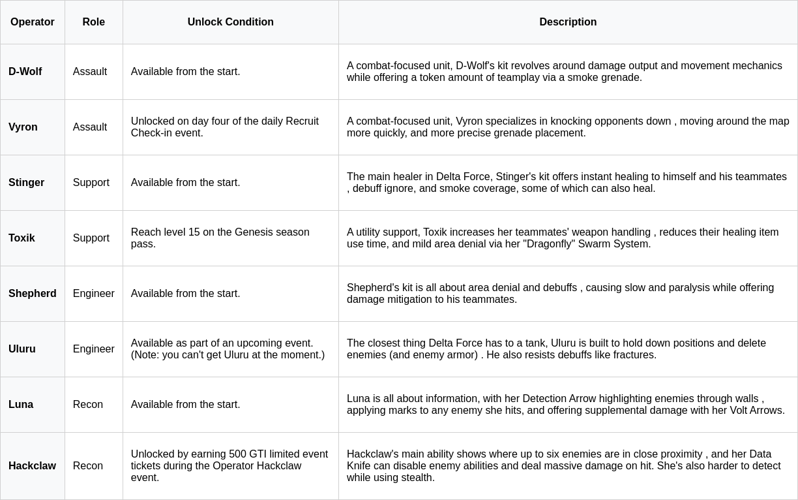
In Delta Force, operators serve as versatile characters that blend the strategic elements of a Battlefield class with the distinctiveness of hero characters found in Overwatch. Your choice of favorite operator largely hinges on your personal playstyle, but initially, not all operators will be available to you upon starting the game, regardless of the mode you select. Unlocking certain...
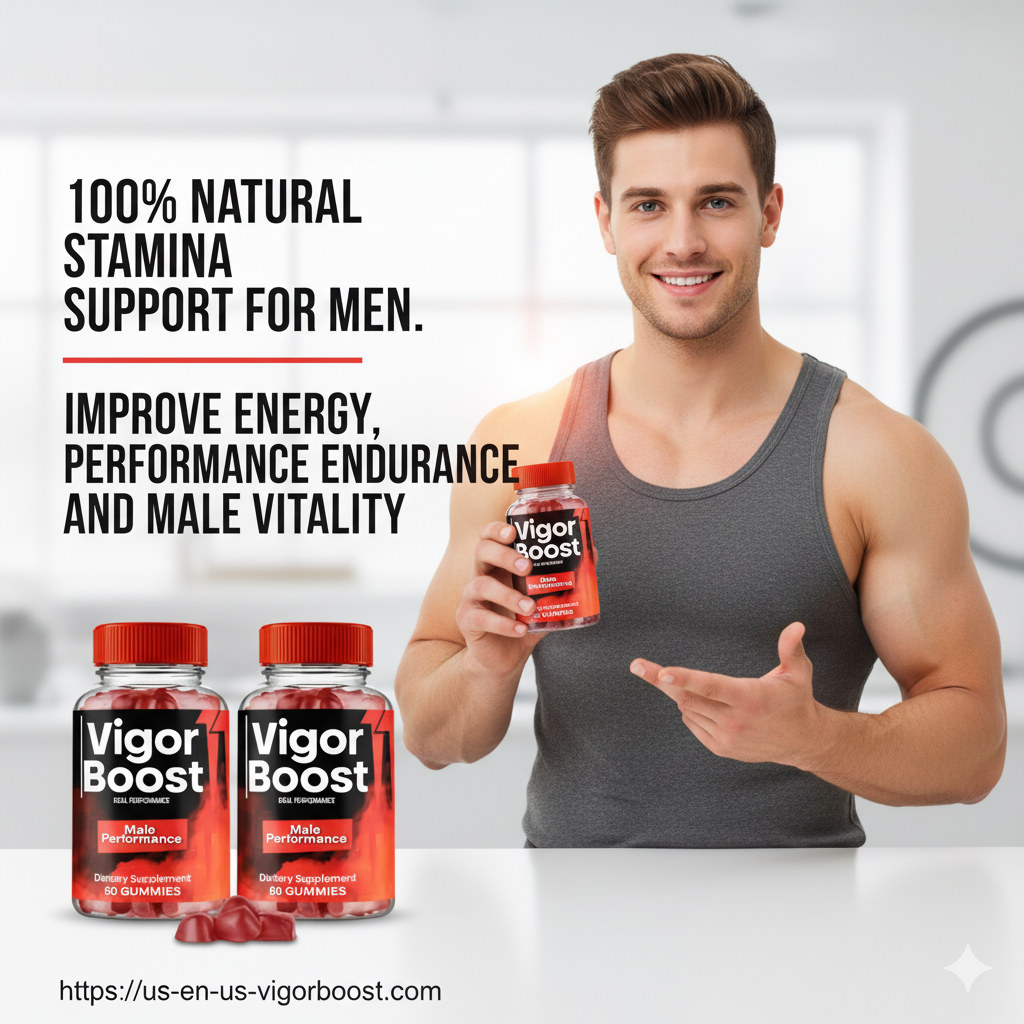
In today’s high-demand lifestyle, many men struggle with low energy, reduced stamina, and declining male vitality. Stress, aging, poor diet, and a sedentary lifestyle can take a toll on physical performance and confidence. Vigor Boost is a natural stamina support supplement designed to help men restore energy, endurance, and overall vitality safely and effectively. This comprehensive...
Harry Potter Filming Boost A major HBO adaptation of J.K. Rowling’s novels has been filming around Devon and Cornwall, bringing a big on-location production to the region. Crew members have been spotted at Cornish spots such as Cadgwith and Carnglaze Caverns, and people in the south west say the shoot is a huge boost for the area. Terry Burton visited Kynance Cove to photograph the crew...

The global voltage regulator market is witnessing steady growth as industries increasingly rely on stable and efficient power management systems. Voltage regulators play a critical role in maintaining a constant voltage level, protecting sensitive electronic components, and ensuring optimal performance across applications such as consumer electronics, automotive, industrial...