Common Issues in German Luxury Cars and Fixes
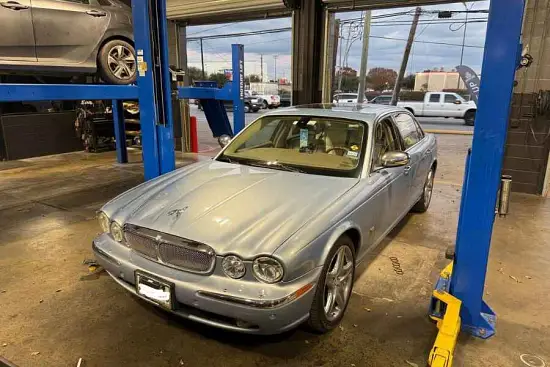
German luxury cars represent the pinnacle of automotive engineering. Brands like BMW, Mercedes-Benz, Audi, and Porsche are globally revered. However, these vehicles come with their own set of known issues. Understanding these problems helps owners make informed maintenance decisions.
Why German Luxury Cars Have Unique Reliability Challenges
German engineers prioritize performance and innovation above simplicity. This philosophy results in extremely complex vehicle systems. More complexity inherently means more potential points of failure. Owners must stay informed about their specific model's known weaknesses.
German luxury vehicles use cutting-edge technology in every component. From electronically controlled suspensions to adaptive transmissions, complexity abounds. While these systems deliver extraordinary driving experiences, they require expert care. Finding a qualified technician for these vehicles is absolutely critical.
Common Electrical Issues in German Luxury Vehicles
Electrical gremlins are among the most frustrating German car problems. BMW iDrive systems occasionally freeze or malfunction completely. Mercedes COMAND infotainment units experience screen failures and software glitches. Audi MMI systems are known for display and control unit failures.
These electrical issues often trace back to software or module faults. A diagnostic scan typically reveals stored fault codes quickly. Software updates from the dealership often resolve many persistent glitches. However, some issues require full module replacement for complete resolution.
Battery Drain and Parasitic Draw Problems
German luxury cars have numerous electronic modules running constantly. These modules maintain memory functions and monitor various systems continuously. A failing module can draw excessive current even when the car is off. This parasitic draw drains the battery overnight and causes no-start conditions.
Diagnosing parasitic draw requires a systematic module-by-module current test. A qualified technician uses a clamp meter to measure draw accurately. Identifying the offending module leads to targeted and cost-effective repairs. Regular battery testing also helps catch weak batteries before failure.
BMW-Specific Issues and Solutions
BMW vehicles are known for their driving dynamics and performance. However, several recurring issues affect these vehicles across multiple generations. The N54 and N55 turbocharged engines have well-documented high-pressure fuel pump failures. These failures cause hard starting and stalling under demanding acceleration.
Valve cover gasket leaks are extremely common across BMW model lines. Oil leaks from the valve cover contaminate ignition coils and spark plugs. This contamination causes misfires and check engine light illumination. Replacing the gasket along with coils and plugs resolves this issue completely.
BMW Cooling System Vulnerabilities
BMW cooling systems are notoriously prone to failure. Plastic water pump impellers crack and fail without warning in many models. Thermostats, expansion tanks, and radiator hoses all have above-average failure rates. A complete cooling system overhaul is often recommended as preventive maintenance.
Overheating a BMW engine even once can cause severe head gasket damage. Prevention is always far cheaper than repairing overheating damage. Monitoring coolant temperature and addressing any warning signs immediately is essential. A qualified BMW specialist can perform proactive cooling system refreshes efficiently.
Mercedes-Benz Common Problems and Repairs
Mercedes-Benz vehicles are synonymous with luxury and reliability. However, certain models and systems have well-known recurring issues. Air suspension problems are extremely common in S-Class and E-Class models. Failing air struts cause the vehicle to sag and handle poorly.
Replacing air struts with OEM or quality aftermarket units restores ride quality. Some owners convert to conventional coilover suspensions for long-term reliability. This conversion eliminates the recurring expense of air suspension component replacement. Discuss your options with a qualified Mercedes specialist before deciding.
Mercedes Transmission and Fluid Leaks
Mercedes 7G-Tronic automatic transmissions are generally reliable when properly maintained. However, valve body failures and conductor plate issues do occur over time. Symptoms include harsh shifts, gear selection errors, and transmission fault codes. Early diagnosis and repair prevent complete transmission replacement expenses.
Fluid leaks are another common Mercedes complaint across various model years. Oil separator covers, camshaft adjuster gaskets, and rear main seals commonly leak. Addressing multiple leaks during one service visit reduces overall labor costs. Proactive leak repairs prevent more serious engine damage from occurring.
Audi and Volkswagen Common Issues
Audi vehicles share many platforms and components with Volkswagen models. This means common issues often affect both brands simultaneously. The 2.0 TFSI engine is known for excessive oil consumption across many models. This issue stems from faulty piston ring design in earlier production units.
Carbon buildup on intake valves affects virtually all Audi direct injection engines. Regular intake cleaning services maintain proper airflow and combustion efficiency. The DSG dual-clutch transmission requires periodic mechatronic unit inspections and fluid changes. Neglecting DSG service leads to rough shifting and eventual transmission failure.
Audi Timing Chain and Oil Leaks
Timing chain tensioner failures are documented issues in several Audi engines. The 2.0 TFSI and 3.2 FSI engines are particularly susceptible to this problem. A rattling noise at startup is the classic indicator of tensioner failure. Immediate attention prevents catastrophic timing chain failure and engine damage.
Oil leaks from camshaft chain tensioners and valve cover gaskets are very common. These leaks worsen over time if left unaddressed for extended periods. Specialists familiar with European auto repair handle these repairs with the correct tools. Using OEM gaskets and seals ensures lasting repairs that stand the test of time.
Porsche Common Problems and Maintenance Tips
Porsche vehicles are engineering masterpieces with outstanding reliability reputations. However, certain models have notable weaknesses that owners should know. The Porsche 996 and early 997 Carrera models suffer from intermediate shaft bearing failures. This failure causes catastrophic engine damage with little prior warning.
The IMS bearing replacement is a well-known preventive procedure for these models. Performing this service during clutch replacement saves considerable additional labor costs. Porsche Cayenne V8 models have documented coolant leak issues from plastic coolant pipes. Replacing these pipes with upgraded aluminum versions provides a permanent solution.
Suspension and Steering Issues in German Luxury Cars
German luxury cars deliver exceptional handling through sophisticated suspension systems. However, these complex systems develop wear-related problems as mileage accumulates. Control arm bushings and ball joints are frequent wear items in all German cars. Worn suspension components cause imprecise steering and poor tire wear patterns.
Electronic suspension systems add further complexity to the maintenance equation. Air suspension compressors fail and require replacement in many models. Adaptive damper units can fail and default to firm settings constantly. Regular suspension inspections catch these issues before they affect safety.
Preventive Maintenance Philosophy for German Luxury Cars
German luxury car ownership requires a proactive maintenance mindset. Waiting until something breaks is always the more expensive approach. Following manufacturer service schedules and using approved parts is non-negotiable. Establishing a relationship with a qualified German car specialist is invaluable.
Keep detailed service records to track all maintenance and repair history. These records add significant resale value to your vehicle later. Address minor oil leaks and unusual noises before they escalate into major failures. Your German luxury car will reward attentive ownership with years of driving pleasure.
Κατηγορίες
Διαβάζω περισσότερα
In today’s competitive business environment, delivering exceptional customer experiences is essential for long-term success. One of the most effective ways to achieve this is through corporate customer service training which equips employees with the skills needed to handle client interactions professionally and efficiently. Such training programs focus on improving...

Is Creating Bath and Body Products From Scratch Too Expensive? Many entrepreneurs enter the wellness industry with great ideas but quickly discover that manufacturing products themselves requires significant investments in equipment, ingredients, packaging, and quality control. These expenses can slow growth and create unnecessary challenges for startups. Midwest Sea Salt Company provides...

"Plasma Therapy Summary According to the latest report published by Data Bridge Market Research, the Plasma Therapy Market The global plasma therapy market size was valued at USD 436.97 million in 2024 and is projected to reach USD 1217.07 million by 2032, with a CAGR of 13.66 % during the forecast period of 2025 to 2032. For structuring the finest market research report like this...
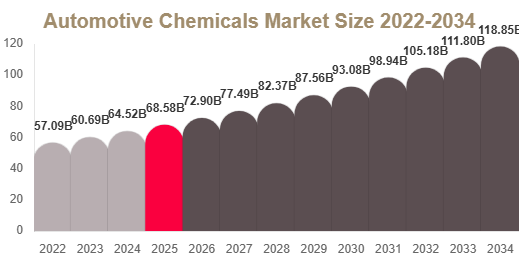
Automotive Chemicals Market Overview The automotive chemicals market is a critical segment of the global automotive and specialty chemicals industry, covering a wide range of chemical products used in vehicle manufacturing, maintenance, performance enhancement, and protection. These chemicals include lubricants, coolants, adhesives, sealants, coatings, fuel additives, cleaning agents, and...
Empyre Clothing: A Fresh Approach to Modern Fashion Fashion is more than simply choosing something to wear. It is a way to express personality, confidence, and individual taste. Empyre Clothing has developed a recognizable presence by bringing together contemporary designs, comfortable fits, and versatile clothing made for everyday lifestyles. The brand appeals to people who want fashion that...