


Maintaining Secure Cryptocurrency Software: A Complete Guide
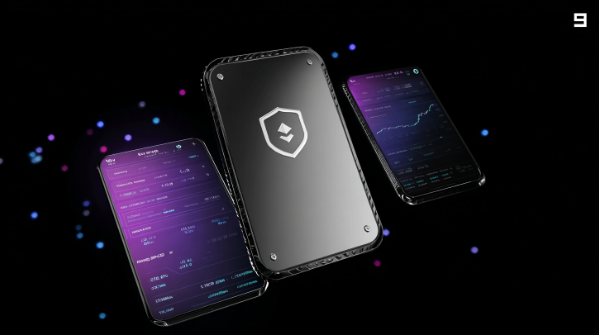
In the rapidly evolving world of digital assets, keeping cryptocurrency software updated is essential for security, efficiency, and compatibility. From wallets to portfolio trackers, outdated software can expose users to hacks, transaction errors, and other critical risks. Understanding and applying crypto software update best practices is key to protecting your investments.
Why Software Updates Are Critical
Cryptocurrency operates in a decentralized environment, meaning users are fully responsible for safeguarding their funds. Software updates address:
-
Security vulnerabilities
-
Bug fixes that prevent transaction errors
-
Performance improvements
-
Compatibility with new blockchain features
Ignoring updates can jeopardize both security and operational efficiency, making adherence to crypto software update best practices essential.
Common Risks of Skipping Updates
Failing to update crypto software exposes users to multiple risks:
1. Increased vulnerability to malware and hacking
Outdated software may contain exploitable security gaps. Cybercriminals frequently target older versions to steal private keys or login credentials.
2. Transaction errors and delays
Bug fixes and network optimizations are included in updates. Skipping these can result in failed transactions, delayed confirmations, or inaccurate balances.
3. Loss of access to new features
Blockchain protocols evolve quickly. Updates often add support for new token standards, coins, and integration with portfolio trackers. Missing these updates may prevent users from accessing their full portfolio or participating in new opportunities.
4. Compromised security features
Updates frequently improve authentication methods, encryption standards, and backup protocols. Skipping updates can leave accounts vulnerable to phishing attacks, ransomware, or other malicious activity.
Best Practices for Updating Cryptocurrency Software
1. Verify the Source
-
Download updates exclusively from official websites or verified app stores.
-
Avoid third-party links, emails, or pop-ups claiming to provide updates.
-
Confirm the legitimacy of the update using official release notes or announcements.
2. Backup Recovery Information
-
Always secure your recovery phrases or private keys before performing updates.
-
Maintain offline backups in multiple safe locations to prevent loss.
3. Update Hardware Wallet Firmware
-
If your wallet integrates with a hardware device, ensure the firmware is updated to maintain compatibility with the latest software.
-
Confirm firmware updates from official sources only.
4. Enable Notifications
-
Activate automatic alerts for new software updates.
-
Stay informed about patches, security improvements, and feature enhancements.
5. Test on Secondary Devices
-
For critical portfolios, consider installing updates first on a secondary device to verify functionality.
-
This practice ensures that any unforeseen bugs do not compromise your main wallet or tracker.
6. Educate Yourself on Emerging Threats
-
Stay updated on phishing attacks, malware trends, and social engineering tactics.
-
Awareness reduces the risk of falling victim during an update process.
Synchronizing Updates Across Platforms
Many users operate multiple devices, including desktops, laptops, and mobile devices. Following crypto software update best practices means ensuring that all platforms are updated to the latest version. This synchronization helps maintain:
-
Accurate portfolio balances
-
Seamless integration with portfolio trackers like Ledger Live
-
Consistent transaction history across devices
Security Considerations During Updates
Even when following best practices, remaining vigilant during updates is important:
-
Avoid using public or shared networks for updates
-
Ensure antivirus and firewall protections are active
-
Confirm the integrity of downloaded files using cryptographic signatures when available
These measures help ensure updates do not introduce new vulnerabilities.
Advantages of Following Best Practices
By adhering to crypto software update best practices, investors gain several benefits:
-
Stronger protection against cyber threats
-
Fewer transaction errors and smoother operations
-
Improved compatibility with new tokens and blockchain features
-
Confidence in managing digital assets securely
Consistent updates also reinforce good habits for portfolio maintenance, reducing stress and potential losses.
Conclusion
Regularly updating cryptocurrency software is more than just a routine task—it is a critical security and performance measure. Implementing crypto software update best practices ensures that wallet applications and portfolio trackers operate smoothly, protect private keys, and remain compatible with evolving blockchain technologies.
By verifying sources, backing up recovery phrases, updating hardware wallets, enabling notifications, testing updates safely, and staying informed about emerging threats, crypto investors can significantly reduce risks while maintaining complete control over their digital assets.
Adopting these practices creates a secure and efficient environment, allowing users to confidently manage their cryptocurrency portfolios without unnecessary exposure to preventable vulnerabilities.
Категории
Больше
Executive Summary North America Gene Therapy Market : Data Bridge Market Research analyzes that the North America gene therapy market is expected to reach USD 13,418.96 million by 2030, at a CAGR of 18.8% during the forecast period. This international North America Gene Therapy Market business report includes strategic profiling of key players in the market, systematic analysis...

Sell Used Electrical Equipment Buyers in Charlotte NC Need reliable Sell Used Electrical Equipment Buyers in Charlotte NC? You found the right spot. Charlotte has a big factory and business market. Pick buyers who pay fair prices, check gear fast, and close deals smooth. As a plant manager, builder, wire worker, or shop owner, the best buyer turns extra, old, or spare electrical gear into top...

Purchasing or investing in luxury real estate requires more than just a substantial budget. It demands expert guidance, market knowledge, and access to exclusive opportunities. This is why working with reputable super prime real estate firms is essential. These firms specialize in premium properties, offering clients unmatched expertise, personalized service, and access to prestigious homes...

As modern manufacturers across the pharmaceutical, personal care, and food and beverage sectors increasingly prioritize automated traceability and packaging efficiency, a steady wave of technological integration is actively driving growth across the automatic labeling equipment sector. This steady expansion is substantiated by Business Market Insights, which highlights that the global Automatic...

The global digital signage market is witnessing remarkable growth as organizations increasingly adopt intelligent visual communication platforms to enhance customer engagement, improve operational efficiency, and deliver dynamic content across multiple environments. According to the latest industry analysis, the global digital signage market was valued at US$ 28.3 billion in 2025 and is...