What Is the Difference Between RF Microneedling and Laser Treatments?

Skin rejuvenation technologies have advanced significantly in recent years, offering multiple solutions for improving texture, tone, and overall skin health. Two of the most commonly recommended procedures for skin resurfacing and anti-aging are radiofrequency (RF) microneedling and laser treatments. Both are designed to stimulate collagen production, treat skin concerns, and improve skin appearance—but they work in different ways.Many people researching advanced skin procedures often come across Fractional RF Microneedling in Islamabad as a modern option for improving acne scars, wrinkles, and skin laxity. Understanding how RF microneedling differs from laser treatments can help you choose the most suitable approach for your skin concerns.In this FAQ-style guide, we’ll explore how these treatments work, their benefits, differences, and who might be the best candidate for each.
What Is RF Microneedling and How Does It Work?
RF microneedling is a cosmetic procedure that combines traditional microneedling with radiofrequency energy to rejuvenate the skin. The treatment uses very fine needles to create tiny micro-injuries in the skin while simultaneously delivering radiofrequency heat into deeper layers.
This dual-action process stimulates natural healing and collagen production.
Key Steps in the Treatment
-
Microneedles penetrate the skin creating controlled micro-injuries.
-
Radiofrequency energy is delivered into the dermis.
-
Collagen and elastin production increase during healing.
-
Skin becomes firmer and smoother over time.
Benefits of RF Microneedling
-
Improves acne scars and enlarged pores
-
Tightens mild to moderate skin laxity
-
Reduces wrinkles and fine lines
-
Improves skin tone and texture
-
Safe for most skin types
Because RF energy targets deeper layers without damaging the surface significantly, downtime is usually minimal compared to more aggressive treatments.
What Are Laser Treatments and How Do They Work?
Laser skin treatments use concentrated beams of light energy to target skin imperfections. The laser energy interacts with the skin tissue to either remove damaged skin layers or stimulate collagen production.
There are two main types of laser treatments:
1. Ablative Lasers
These remove the outer layers of skin to reveal fresh, smoother skin underneath.
Examples of concerns treated:
-
Deep wrinkles
-
Severe sun damage
-
Significant scars
2. Non-Ablative Lasers
These heat the deeper skin layers without removing the surface.
They are commonly used for:
-
Fine lines
-
Pigmentation
-
Mild skin texture issues
Laser treatments can produce dramatic improvements but may involve more downtime depending on the intensity of the procedure.
What Is the Main Difference Between RF Microneedling and Laser Treatments?
Although both treatments aim to rejuvenate the skin, they differ in technology, skin penetration, downtime, and suitability for different skin types.
Here is a simple comparison:
| Feature | RF Microneedling | Laser Treatments |
|---|---|---|
| Technology | Microneedles + radiofrequency heat | Light energy (laser beams) |
| Skin Layers Targeted | Deeper dermis | Surface and deeper layers |
| Skin Types | Safe for most skin tones | Some lasers not suitable for darker skin |
| Downtime | Usually minimal (1–3 days redness) | Can range from 2 days to 2 weeks |
| Best For | Skin tightening, acne scars, pores | Pigmentation, wrinkles, resurfacing |
| Risk of Hyperpigmentation | Lower | Higher in darker skin tones |
| Number of Sessions | Usually 3–4 sessions | Depends on treatment type |
This comparison highlights why many individuals prefer RF microneedling when they want skin tightening with minimal recovery time.
Which Treatment Is Better for Acne Scars?
Acne scars are one of the most common reasons people seek skin rejuvenation treatments. Both RF microneedling and laser resurfacing can help improve the appearance of scars, but the best option depends on the scar type.
RF Microneedling for Acne Scars
RF microneedling works well for:
-
Rolling scars
-
Boxcar scars
-
Enlarged pores
Because it stimulates collagen deep within the skin, it gradually fills depressed scars.
Laser Treatments for Acne Scars
Laser resurfacing can be more effective for:
-
Severe scars
-
Textural irregularities
-
Deep skin resurfacing
However, lasers may involve more downtime and risk of pigmentation issues in darker skin tones.
Many dermatology professionals combine both treatments for optimal results in difficult cases.
Are RF Microneedling and Laser Treatments Safe for All Skin Types?
Skin type is an important factor when choosing between these treatments.
RF Microneedling
RF microneedling is generally safe for:
-
Light skin tones
-
Medium skin tones
-
Dark skin tones
Because the energy is delivered below the skin surface rather than targeting pigment, the risk of post-inflammatory hyperpigmentation is lower.
Laser Treatments
Some laser technologies may not be ideal for darker skin types due to the risk of pigmentation changes.
However, certain modern lasers are designed to treat a wider range of skin tones safely.
Important Consideration
A professional consultation is essential before selecting a treatment because factors like:
-
Skin sensitivity
-
Existing pigmentation
-
Medical history
can influence the most suitable option.
Reviews
Many individuals who undergo skin rejuvenation treatments report noticeable improvements in skin quality, texture, and firmness.
Here are some commonly shared experiences:
Positive Feedback on RF Microneedling
-
Patients often notice tighter and smoother skin after a few sessions.
-
Acne scars appear softer and less visible.
-
Downtime is manageable, typically involving mild redness for a short period.
Feedback on Laser Treatments
-
Many people experience dramatic improvements in skin tone and pigmentation.
-
Deeper wrinkles and sun damage can improve significantly.
-
Results can be long-lasting when proper skincare is maintained.
Overall satisfaction usually depends on choosing the right treatment for specific skin concerns.
Which Treatment Has Less Downtime?
Recovery time is a major factor when choosing a cosmetic procedure.
RF Microneedling Downtime
Most people experience:
-
Mild redness for 24–48 hours
-
Slight swelling or sensitivity
-
Skin dryness for a few days
Many patients return to normal activities within a day or two.
Laser Treatment Downtime
Downtime varies depending on the laser type:
Non-Ablative Lasers
-
Minimal downtime
-
Mild redness for a few days
Ablative Lasers
-
Peeling and redness for up to two weeks
-
More intensive healing process
Because of this difference, RF microneedling is often chosen by individuals who want noticeable improvement without extended recovery time.
Which Treatment Produces Longer-Lasting Results?
Both procedures stimulate collagen production, which means results develop gradually and can last for months or even years with proper care.
RF Microneedling Results
Results often appear gradually over several weeks as collagen forms. Improvements may include:
-
Firmer skin
-
Reduced scars
-
Smaller pores
Maintenance sessions may be recommended once or twice per year.
Laser Treatment Results
Laser resurfacing can deliver dramatic improvements in:
-
Skin tone
-
Wrinkles
-
Pigmentation
The longevity of results depends on:
-
Sun protection
-
Skincare routine
-
Lifestyle factors
Combining treatments with a good skincare routine helps maintain long-term skin improvements.
How Do You Choose the Right Treatment for Your Skin?
Choosing between RF microneedling and laser treatments depends on several personal factors.
RF Microneedling May Be Better If You Want
-
Skin tightening
-
Acne scar improvement
-
Minimal downtime
-
Safe treatment for darker skin tones
Laser Treatments May Be Better If You Want
-
Strong resurfacing effects
-
Pigmentation correction
-
Deep wrinkle reduction
-
Significant sun damage repair
A qualified skincare professional usually evaluates:
-
Skin texture
-
Pigmentation issues
-
Age-related changes
-
Lifestyle and recovery time availability
before recommending the most suitable treatment plan.
Conclusion
RF microneedling and laser treatments are both powerful technologies used for skin rejuvenation, but they work in different ways. RF microneedling focuses on delivering radiofrequency heat through tiny needles to stimulate collagen deep within the skin, while laser treatments use focused light energy to target skin imperfections.Each option offers unique benefits. RF microneedling is widely preferred for skin tightening, acne scars, and minimal downtime, while laser treatments are often chosen for more dramatic resurfacing and pigmentation correction.Understanding the differences between these procedures helps individuals make informed decisions about their skincare journey. The right treatment depends on skin type, aesthetic goals, and tolerance for recovery time.
Contact Us
If you are considering advanced skin rejuvenation treatments and want to understand which option may suit your skin goals, professional guidance is essential.A consultation with a qualified aesthetic expert can help assess your skin condition, discuss your concerns, and recommend the most effective treatment plan tailored to your needs.Reach out today to learn more about modern skin treatments and take the first step toward healthier, smoother, and more youthful-looking skin.
Categorii
Citeste mai mult
Polaris Market Research has introduced the latest market research report titled Gluten-Free Baking Mixes Market Size, Share, Trends, Industry Analysis Report : By Product, Distribution Channel, Nature (Organic and Conventional), Ingredient Base, and Region – Market Forecast, 2026–2034 that highlights the major revenue stream for the forecast period. The report contains...

When it comes to creating flawless acrylic nails, the quality of your nail monomer plays a crucial role. Whether you’re a salon professional or an advanced nail technician, choosing the right monomer nail liquid can directly impact application smoothness, adhesion, durability, and even client safety. In this guide, we’ll break down what makes a monomer nail liquid “the...
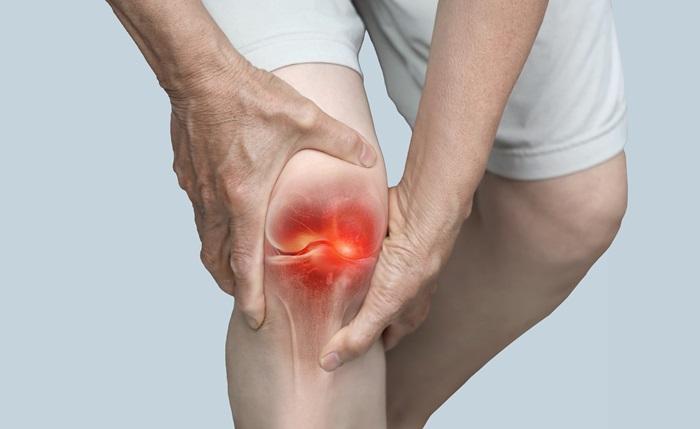
Healthy movement is something most people take for granted—until stiffness, pain, or discomfort begins to appear. Your joints and muscles work together every day to help you walk, sit, bend, lift, and perform countless daily activities. When they are not functioning well, even simple tasks can feel difficult. This is why maintaining good joint health is essential for overall comfort and...
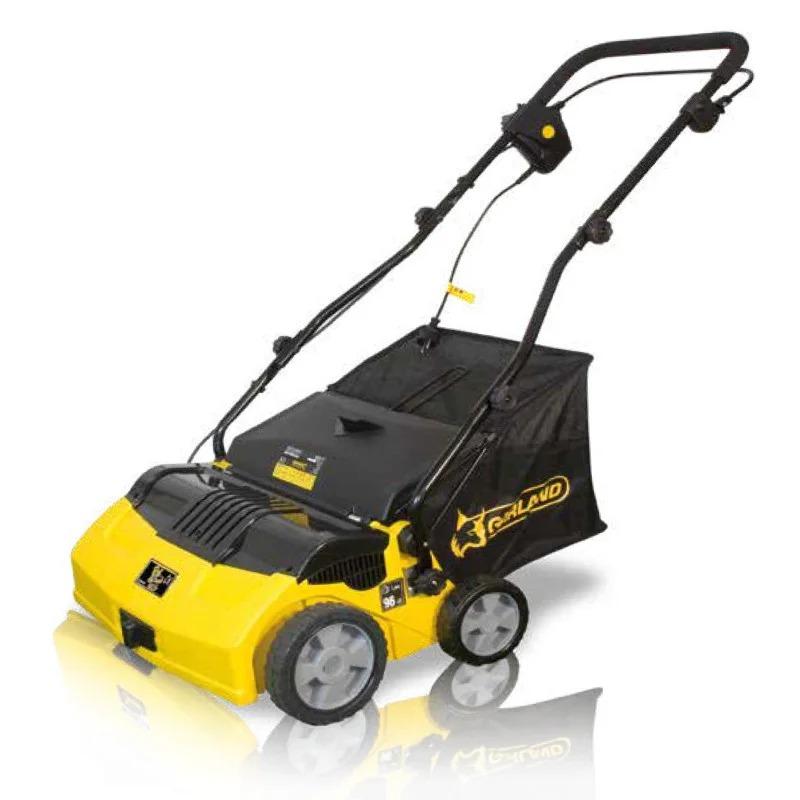
There are moments when ordinary simply isn’t enough—when your outdoor space demands something bold, practical, and irresistibly efficient. That moment is now. If you’ve been searching for a game-changing solution to elevate your garden, patio, or backyard experience, the garland 502e from Etivia Yardena is the breakthrough you’ve been waiting for. This is not just...
"Executive Summary Chlorine Market Size and Share Forecast The global chlorine market size was valued at USD 34.32 billion in 2024 and is expected to reach USD 60.90 billion by 2032, at a CAGR of 7.43% during the forecast period Competitive analysis performed in this Chlorine Market report puts forth the moves of the key players in the Chlorine Market...