What Are the Real Benefits of Warehouse Automation in Modern Logistics?
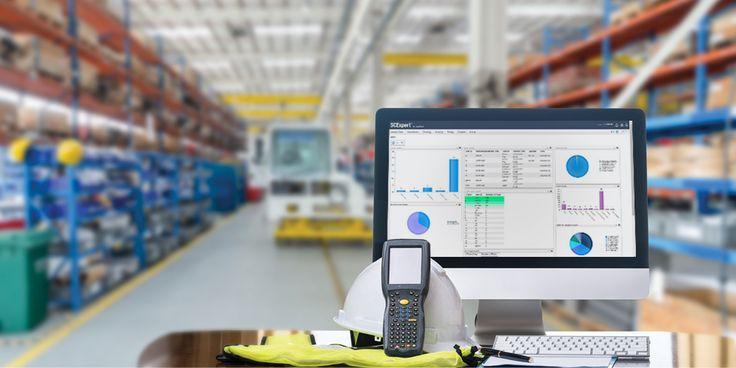
Modern logistics is evolving faster than ever. The rapid growth of e-commerce, global trade, and customer expectations for faster delivery has transformed how warehouses operate. Businesses can no longer rely solely on manual processes to manage inventory, shipments, and storage efficiently. This is where warehouse automation and advanced Warehouse Management System (WMS) technologies come into play.
Warehouse automation uses technology such as robotics, sensors, and intelligent wms software to streamline warehouse operations. From automated inventory tracking to optimized picking and packing processes, these technologies are revolutionizing supply chain management.
Understanding Warehouse Automation
Warehouse automation refers to the use of technology to perform warehouse tasks with minimal human intervention. This includes automated inventory tracking, robotic picking systems, barcode scanning, and intelligent warehouse software.
A Warehouse Management Software solution acts as the central brain of this system. It manages inventory, coordinates workflows, tracks shipments, and ensures that every warehouse activity is optimized.
Many modern warehouses rely on cloud-based warehouse management systems, advanced analytics, and automation tools to reduce operational errors and improve speed.
Warehouse automation typically includes:
-
Automated storage and retrieval systems
-
Robotics for picking and packing
-
Barcode and RFID scanning
-
Conveyor systems
-
Cloud-based inventory management platforms
-
AI-driven demand forecasting
These technologies work together to create a highly efficient and scalable warehouse environment.
The Role of Warehouse Management System in Automation
A Warehouse Management System is the core technology that powers warehouse automation. Without it, automation tools would operate in isolation without proper coordination.
A modern Cloud WMS allows businesses to monitor inventory, track orders, and manage operations in real time from anywhere.
Key functions of a Warehouse Management System include:
Inventory tracking and control, order processing, stock optimization, shipment coordination, workforce management, and warehouse analytics.
Many organizations adopt cloud-based warehouse management systems because they offer flexibility, scalability, and remote accessibility.
Key Benefits of Warehouse Automation in Modern Logistics
Improved Operational Efficiency
One of the biggest advantages of warehouse automation is improved efficiency. Manual warehouse processes often involve repetitive tasks that consume time and increase the risk of errors.
With wms software, businesses can automate order processing, inventory updates, and shipment tracking.
Automation ensures that products move through the warehouse faster while maintaining accuracy. This significantly improves warehouse throughput and reduces order processing time.
Many businesses using Best Warehouse Management Software report productivity improvements of up to 30–40 percent.
Enhanced Inventory Accuracy
Inventory errors can cost companies millions every year. Incorrect stock levels lead to delayed shipments, dissatisfied customers, and lost revenue.
A modern Warehouse Inventory Management Software solution eliminates these issues by tracking inventory in real time.
Automated scanning, RFID systems, and integrated Inventory Software Warehouse Automation tools ensure that inventory data is always accurate.
When combined with Warehouse Tracking WMS Software India solutions, businesses can track every item from the moment it enters the warehouse until it reaches the customer.
Faster Order Fulfillment
Customer expectations have changed dramatically. Same-day or next-day delivery is now standard in many industries.
Automation powered by Warehouse Management Software speeds up picking, packing, and shipping processes.
Automated picking systems, smart routing, and AI-powered Warehouse Optimization tools allow warehouses to process orders much faster.
This is particularly important for companies running an e-commerce Warehouse Management system, where thousands of orders may need to be processed daily.
Reduced Labor Costs
Labor is one of the largest operational costs in warehouse management.
Automation reduces the need for manual labor by handling repetitive tasks such as sorting, scanning, and transporting goods.
While skilled staff are still essential for strategic operations, automation allows warehouses to operate with fewer employees and higher efficiency.
Integrating Logistic Software Management Warehouse Solution platforms can reduce labor costs while improving productivity.
Better Space Utilization
Warehouse space is expensive. Without proper management, warehouses often waste valuable storage capacity.
Automation systems combined with Best Warehouse Management System tools analyze warehouse layouts and optimize storage.
Automated storage systems can store products in high-density configurations, allowing warehouses to store more inventory in less space.
This is especially valuable for businesses operating in urban locations where warehouse space is limited.
Real-Time Data and Analytics
Data-driven decision making is essential in modern logistics.
A Cloud-Based Warehouse Management System provides real-time insights into warehouse operations.
Managers can monitor inventory levels, track employee performance, analyze demand patterns, and identify bottlenecks instantly.
Advanced Warehouse Technology solutions even use AI to predict demand and recommend inventory adjustments.
These insights help businesses improve forecasting, reduce waste, and make better operational decisions.
Real-Life Examples of Warehouse Automation
Amazon
Amazon is one of the most well-known examples of warehouse automation.
The company uses thousands of robots in its fulfillment centers to move products across warehouses efficiently.
These robots work alongside employees and integrate with advanced Warehouse Management System technology to ensure rapid order processing.
As a result, Amazon can fulfill millions of orders daily while maintaining high accuracy.
Walmart
Walmart has implemented automated warehouses equipped with robotics and Warehouse Optimization tools.
These systems help manage massive inventory volumes and streamline supply chain operations.
Walmart’s adoption of Warehouse Management Software India and global automation tools has helped reduce errors and speed up deliveries.
E-Commerce Startups
Even small businesses are adopting automation.
Many startups rely on Cloud WMS platforms and Inventory Management in India software to manage their warehouse operations efficiently.
By using scalable automation tools, they can compete with larger companies without massive infrastructure investments.
Pros and Challenges of Warehouse Automation
Advantages
Warehouse automation offers several powerful advantages.
It increases efficiency, reduces operational costs, improves inventory accuracy, speeds up order fulfillment, and enables real-time data tracking.
Companies using Best WMS Software often see significant improvements in productivity and customer satisfaction.
Challenges
Despite its benefits, automation also presents some challenges.
The initial investment can be high, especially for robotics and advanced systems. Companies may also need employee training to operate new technologies.
Integration with existing systems can also require careful planning.
However, modern Cloud-Based Warehouse Management Systems make implementation easier and more affordable than ever before.
How to Choose the Best Warehouse Management Software
Selecting the right Warehouse Management Software is critical for successful automation.
Businesses should consider factors such as scalability, integration capabilities, ease of use, cloud compatibility, and analytics features.
A good Warehouse Operation Software should support real-time tracking, order management, inventory optimization, and reporting.
Companies should also look for software that integrates with other business systems such as ERP and supply chain platforms.
Organizations searching for Best WMS Software India should prioritize solutions designed specifically for regional logistics requirements.
Frequently Asked Questions
What is a Warehouse Management System?
A Warehouse Management System is software designed to control and optimize warehouse operations such as inventory tracking, order processing, and shipment management.
How does warehouse automation improve logistics?
Warehouse automation improves logistics by reducing manual errors, speeding up order fulfillment, optimizing inventory management, and providing real-time operational insights.
Is warehouse automation suitable for small businesses?
Yes. Many Cloud WMS platforms are scalable and affordable, making them ideal for startups and small businesses.
What industries benefit from warehouse automation?
Industries such as e-commerce, manufacturing, retail, pharmaceuticals, and logistics benefit greatly from warehouse automation.
The Future of Warehouse Automation
The future of warehouse automation looks incredibly promising.
Technologies such as artificial intelligence, robotics, machine learning, and IoT are expected to further transform warehouse operations.
Advanced Warehouse Technology will enable predictive inventory management, fully autonomous warehouses, and smarter supply chains.
Businesses that adopt automation early will gain a strong competitive advantage in the logistics industry.
Conclusion
Warehouse automation has become a critical component of modern logistics. As supply chains grow more complex and customer expectations continue to rise, businesses must adopt advanced technology to stay competitive.
A powerful Warehouse Management System combined with automation tools can dramatically improve warehouse efficiency, reduce costs, and enhance customer satisfaction.
From improved inventory accuracy and faster order fulfillment to better space utilization and real-time analytics, the benefits of warehouse automation are undeniable.
Companies across industries are now investing in Warehouse Management Software, Cloud-Based Warehouse Management Systems, and Inventory Software Warehouse Automation tools to future-proof their operations.
Organizations looking for reliable and innovative warehouse technology solutions can also explore Stackerbee Technologies, which provides advanced warehouse automation and management solutions designed to optimize modern logistics operations.
If you found this article helpful, feel free to share it with your network or leave a comment below. Businesses that adopt smart warehouse automation today will lead the logistics industry tomorrow.
Categorias
Leia Mais
Series Overview Journey to plague-ridden 1348 Florence in Netflix's audacious new series The Decameron. Far from a mere period piece, it injects modern chaos into a historical pandemic backdrop. Class warfare bubbles fiercely as privileged nobles and desperate servants collide within a secluded countryside villa. Their fragile sanctuary promises survival, yet breeds manipulation and raw...

Разработчики из PUBG Studios рассматривают ИИ как практический инструмент для оптимизации рабочих процессов. Автоматизация рутинных задач позволяет команде больше ресурсов посвящать ключевым аспектам: созданию новых игровых механик и улучшению общего игрового опыта. Главный приоритет — сохранение высокого качества и стабильности игрового процесса. Если этот критерий выполнен, методы...

The market research for the global Spray Drying Equipment market is an accumulation of first-hand facts and quantitative and qualitative evaluation and analysis for the forecast period (2024-2032). The report offers a comprehensive assessment of macro-economic indicators, parent market trends, and several factors influencing the market dynamics. In addition, it also assesses the...

Commercial Seaweed Industry Insights: The “Global Commercial Seaweed Market Professional Report 2025–2033” has been introduced by Straits Research to its research database. The report delivers a structured analysis covering market summary, product details, market size and share, value and volume metrics, segmentation, SWOT analysis, and key players, derived from...

Izaan Export is the leading Genuine Leather Products Manufacturers in Mumbai. Best Quality Leather Goods Suppliers and Exporters in India at Factory Price. Call +91-7701838495 Leather Wallets Manufacturers in Mumbai Genuine Leather Products Manufacturers in Mumbai Leather Bags Manufacturers in Mumbai Leather Belts Manufacturers in Mumbai Leather Wallets Manufacturers in Delhi Leather Wallets...