Top Benefits of Advanced Waste Management Tanks for Environmental Protection
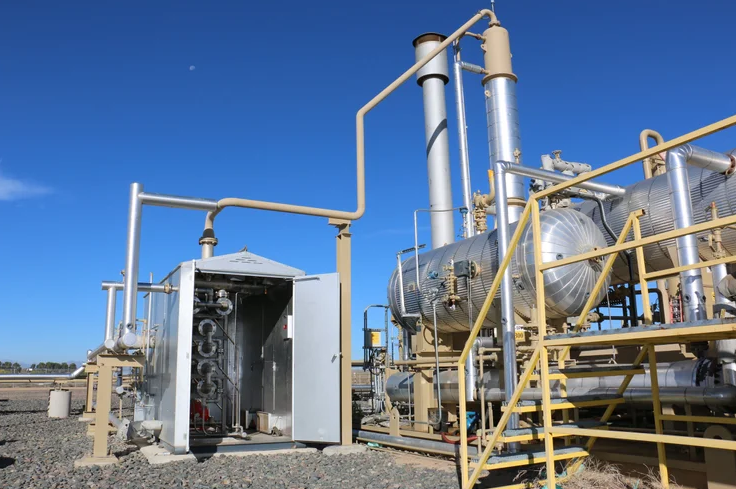
Let’s be honest — waste isn’t a glamorous topic. Nobody wakes up excited to talk about storage tanks, industrial byproducts, or emission control systems. But here’s the thing: behind every clean river, safe industrial site, or breathable stretch of air, there’s usually a solid waste management system quietly doing its job.
And today, that job is getting more complicated.
Industries produce more chemical waste than ever. Regulations are tighter. Communities pay attention. Companies can’t just “store and forget” anymore. That’s where Waste Management Tanks and modern BTEX Elimination Systems step in — not as optional upgrades, but as essential environmental tools.
Let’s break down why advanced systems matter, what they actually do, and how they help protect both businesses and the planet without turning this into a technical lecture.

Why Waste Storage Is No Longer Just Storage
Years ago, waste tanks were basically containers. Big metal shells designed to hold liquids until disposal day arrived. Simple idea. Problem was, simple didn’t mean safe.
Leaks happened. Vapors escaped. Contamination spread slowly, sometimes unnoticed for years.
Modern Waste Management Tanks are built differently. They’re engineered systems, not just storage units. Think monitoring sensors, corrosion-resistant materials, vapor control layers, and containment backups all working together.
Because waste isn’t static. Chemicals react. Temperatures change. Pressure builds. And if a tank isn’t designed for those realities, problems start quietly — then become expensive very fast.
Advanced tanks manage risk before it turns into disaster.
Environmental Protection Starts at Containment
This might sound obvious, but containment is everything.
When industrial waste seeps into soil or groundwater, cleanup becomes almost impossible. You’re not just dealing with pollution anymore — you’re dealing with long-term ecosystem damage.
High-quality Waste Management Tanks reduce that risk through:
-
Double-wall construction
-
Leak detection technology
-
Secondary containment systems
-
Chemical-resistant linings
-
Smart pressure control
It’s not flashy technology. But it works.
A well-designed tank keeps harmful substances exactly where they’re supposed to be. No spreading. No slow environmental poisoning. Just controlled storage until proper treatment or disposal.
Sometimes environmental protection isn’t about innovation — it’s about preventing mistakes in the first place.
Understanding BTEX and Why It’s a Big Deal
Now let’s talk about something industries increasingly worry about: BTEX compounds.
BTEX stands for benzene, toluene, ethylbenzene, and xylene — volatile organic compounds commonly found in petroleum and chemical processing operations. They evaporate easily, travel through air quickly, and pose serious health risks.
Exposure isn’t just unpleasant. It can be dangerous.
That’s why BTEX Elimination Systems are becoming standard in facilities handling hydrocarbons or chemical waste streams.
These systems don’t just capture emissions. They actively remove harmful compounds before they escape into the environment.
And honestly, this shift marks a big change in how industries approach responsibility.
Cleaner Air Through BTEX Elimination Systems
Air pollution often comes from places people don’t see — storage vents, transfer points, tank breathing cycles. Small releases, repeated thousands of times, add up.
BTEX Elimination Systems tackle emissions at the source.
Depending on the setup, they may use:
-
Vapor recovery technology
-
Activated carbon filtration
-
Thermal oxidation processes
-
Condensation and separation methods
The goal is simple: stop volatile compounds from reaching the atmosphere.
Cleaner air benefits everyone — workers on-site, nearby communities, and regulatory compliance teams who prefer prevention over penalties.
And yes, companies notice another benefit too: fewer emissions often mean less product loss. Waste reduction and cost savings sometimes go hand in hand.

Regulatory Compliance Without Constant Stress
If you’ve worked in industrial operations, you already know regulations aren’t getting lighter. Environmental agencies worldwide are tightening standards around emissions, storage, and waste handling.
Trying to meet modern compliance rules using outdated infrastructure is exhausting.
Advanced Waste Management Tanks help facilities stay aligned with environmental standards by offering built-in safety features and monitoring capabilities. Many systems now include automated reporting tools that track pressure, emissions, and performance data.
Instead of scrambling during inspections, companies can actually show documented compliance.
Less panic. Fewer fines. Better reputation.
And reputation matters more today than it did ten years ago.
Protecting Worker Health (Not Just the Environment)
Environmental protection conversations often focus on ecosystems, but workers are the first line of exposure.
Poorly managed waste systems release vapors, create unsafe handling conditions, and increase accident risks. Even low-level chemical exposure over time can affect health.
By combining advanced Waste Management Tanks with effective BTEX Elimination Systems, facilities dramatically reduce airborne toxins and hazardous contact points.
That means:
-
Safer breathing conditions
-
Reduced exposure risks
-
Lower incident rates
-
Improved workplace confidence
People work better when they feel safe. Simple truth.
Long-Term Cost Savings That Surprise Companies
Here’s the part many businesses don’t expect — investing in better waste infrastructure often saves money over time.
Yes, advanced systems require upfront investment. No way around that.
But consider the alternative costs:
-
Environmental cleanup projects
-
Regulatory penalties
-
Product loss through evaporation
-
Equipment corrosion damage
-
Legal liabilities
Suddenly, prevention looks cheap.
Modern Waste Management Tanks last longer, require less emergency maintenance, and minimize unexpected shutdowns. Meanwhile, BTEX Elimination Systems recover vapors that might otherwise disappear into the air — literally lost revenue.
Environmental responsibility and financial logic aren’t opposites anymore. They overlap more than people think.
Supporting Sustainability Goals Without Marketing Buzzwords
Every company talks about sustainability now. Annual reports are full of green promises and carbon goals.
But real sustainability isn’t slogans. It’s infrastructure decisions.
Upgrading waste handling systems reduces emissions, prevents contamination, and improves resource efficiency in measurable ways. That’s tangible progress, not branding.
Advanced containment and elimination technologies help organizations move from reactive environmental management to proactive stewardship.
And customers notice authenticity. Communities do too.
Smart Monitoring and Automation Change Everything
One of the biggest differences between old and modern systems is intelligence.
Today’s Waste Management Tanks often include digital monitoring — sensors tracking temperature, pressure, fluid levels, and leak indicators in real time.
Operators don’t have to guess anymore.
If something shifts even slightly, alerts appear immediately. Problems get fixed early, before escalation.
Pair that with automated BTEX Elimination Systems, and facilities gain consistent emission control without constant manual oversight.
It’s quieter work. Less dramatic. But far more effective.
Future-Proofing Industrial Operations
Environmental expectations will continue evolving. There’s no scenario where regulations suddenly disappear or emissions become less important.
Facilities investing in advanced waste systems now are essentially future-proofing operations.
They’re ready for stricter standards, community scrutiny, and sustainability reporting requirements that are only growing more detailed.
Waiting usually costs more later. Early adoption creates flexibility instead of pressure.
And honestly, planning ahead beats crisis management every time.

The Bigger Picture: Small Systems, Massive Impact
Waste tanks and emission control systems don’t get headlines. They sit behind fences, out of sight, doing technical work few people notice.
Yet their impact is huge.
Cleaner groundwater. Safer air. Reduced chemical exposure. Lower environmental risk.
All from systems designed to manage what industries produce every single day.
Advanced Waste Management Tanks combined with reliable BTEX Elimination Systems represent a practical shift toward responsible industrial growth — not stopping progress, but making it safer and smarter.
Sometimes environmental protection isn’t about radical change. It’s about upgrading the parts of infrastructure people ignored for too long.
And those upgrades matter more than most realize.
FAQs
What are Waste Management Tanks used for?
Waste Management Tanks are designed to safely store industrial waste liquids, chemicals, and byproducts before treatment or disposal. Modern tanks include safety features like leak detection, corrosion resistance, and emission control systems.
Why are BTEX Elimination Systems important?
BTEX Elimination Systems remove harmful volatile organic compounds such as benzene and toluene from emissions. They help protect air quality, worker health, and ensure compliance with environmental regulations.
Do advanced waste management systems reduce operational costs?
Yes, over time they often lower costs by preventing leaks, minimizing product loss, reducing maintenance issues, and avoiding regulatory penalties or environmental cleanup expenses.
Are these systems required for environmental compliance?
In many industries, regulations increasingly require proper waste containment and emission control. Advanced tanks and BTEX elimination technologies help companies meet or exceed environmental standards more easily.
Categorie
Leggi tutto
Emma Watson recently voiced her emotional turmoil regarding the public divide with J.K. Rowling during a candid podcast conversation. The Harry Potter star acknowledged profound pain stemming from Rowling's persistent transgender commentary yet firmly rejected calls to sever ties completely. Their fracture became visible in 2020 when Rowling published controversial gender-critical...

Dubai has become a bustling hub for innovation, wellness, and modern medical solutions — including newer medications like Mounjaro. Whether you’re curious about options for managing type 2 diabetes or looking into medications that support weight-related health journeys, it’s useful to understand how a medication like Mounjaro is handled in Dubai and the United Arab Emirates...

Augmented Reality (AR) and Virtual Reality (VR) devices are shaping the future of digital interaction. However, one of the biggest frustrations users face is poor visual clarity and limited field of view in headsets. Many traditional designs cannot deliver the balance between compact size, high brightness, and wide visuals that immersive experiences demand. This is where the Bird Bath Optical...

Polaris Market Research has published a brand-new report titled Mortuary Equipment Market Share, Size, Trends, Industry Analysis Report, By Application (Manual, Automated), By Product, By End-Use; By Region; Segment Forecast, 2022 - 2030 that includes extensive information and analysis of the industry dynamics. The opportunities and challenges in the report's dynamical trends might be...

The Hydrofoil Boats Market is gaining significant momentum across global marine transportation and recreational sectors, driven by rising demand for efficient high‑speed watercraft solutions and enhanced passenger experiences. As per MRFR analysis, evolving consumer preferences toward faster, fuel‑efficient vessels, investments in maritime tourism, and technological innovations in...