


Why Joint Safety Committees Are Essential for a Safer Workplace
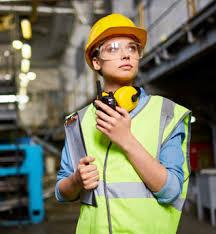
Workplace safety is more than a set of rules on paper; it is a living, evolving practice that requires the active participation of everyone on site. Imagine a factory floor where machinery operates continuously and chemical processes run around the clock. In such environments, the smallest oversight can escalate into a serious incident. One of the most effective ways to prevent accidents and maintain a culture of safety is through joint safety committees. These committees serve as a bridge between management and employees, ensuring that safety concerns are raised, discussed, and acted upon promptly.
Establishing a joint safety committee is not just a regulatory checkbox. It allows organizations to foster collaboration and shared responsibility. Employees gain a platform to voice safety issues, while management receives direct insight into potential hazards. For professionals aiming to enhance their safety credentials, pursuing a IOSH MS can provide in-depth knowledge of committee functions and risk management strategies, equipping them to make meaningful contributions to workplace safety initiatives.
Joint Safety Committees
Joint safety committees are groups formed from a combination of management representatives and employee delegates. Their primary purpose is to monitor, discuss, and improve workplace safety practices. By involving both parties, committees ensure that safety measures are practical, comprehensive, and supported by the workforce.
These committees focus on proactive hazard identification, review of incident reports, and development of action plans to prevent accidents. Rather than waiting for accidents to happen, the committee fosters a preventative mindset, which is crucial in high-risk industries such as manufacturing, construction, and chemical processing.
Key Responsibilities of Joint Safety Committees
The committee’s responsibilities extend across multiple facets of safety management. Some of the critical tasks include:
-
Reviewing workplace accident and near-miss reports to identify patterns.
-
Conducting regular workplace inspections and audits to spot hazards early.
-
Ensuring compliance with safety regulations and company policies.
-
Developing safety awareness programs and training sessions for employees.
-
Recommending improvements to equipment, procedures, and work practices.
By handling these responsibilities collaboratively, committees create a shared sense of accountability that strengthens overall safety culture.
The Role of Employee Engagement
A workplace with low employee involvement in safety often faces higher incident rates. Joint safety committees give employees a voice, allowing them to contribute insights from their day-to-day experiences. Workers are often the first to notice unsafe practices, from faulty machinery to procedural gaps. By formalizing their input through a committee, organizations ensure these observations lead to actionable improvements.
Engagement also builds trust. When employees see management responding to their safety concerns, they are more likely to report hazards proactively. This communication loop reduces the likelihood of accidents escalating into severe injuries or fatalities.
Practical Steps to Improve Employee Participation
To maximize the impact of joint safety committees, organizations can adopt practical strategies:
-
Rotate employee members regularly to encourage wider participation.
-
Provide training on hazard identification and risk assessment.
-
Schedule meetings at convenient times to ensure consistent attendance.
-
Recognize and reward active contributions to safety initiatives.
These steps help embed safety as a core value rather than a mere compliance requirement.
Benefits of Joint Safety Committees
The benefits of a well-functioning joint safety committee are substantial. Beyond compliance, committees create measurable improvements in workplace safety.
-
Reduction in incidents: Early hazard detection prevents accidents before they occur.
-
Enhanced compliance: Regular reviews ensure alignment with occupational safety regulations.
-
Improved morale: Employees feel valued and protected, which increases job satisfaction.
-
Continuous improvement: Committees drive ongoing evaluation and refinement of safety practices.
Real-world examples demonstrate that organizations with active committees consistently report lower accident rates compared to those without structured employee engagement mechanisms.
Case Study: Manufacturing Industry
In a large manufacturing facility, the joint safety committee identified a recurring issue with machine guarding. Employees had noticed gaps in protective covers, which posed serious risk. The committee coordinated with management to redesign the guards, provide additional training, and implement a reporting system for future hazards. Within six months, incidents related to machinery dropped by 70 percent, proving the committee’s effectiveness.
Legal and Regulatory Importance
Many countries and industries require joint safety committees as part of occupational health and safety regulations. They ensure compliance with statutory duties and demonstrate due diligence in protecting workers. Non-compliance can result in penalties, legal actions, or reputational damage.
Committees also play a vital role during inspections and audits. Regulators often review meeting minutes, risk assessments, and follow-up actions to gauge whether the organization actively manages workplace hazards.
Aligning Committees with Safety Standards
Organizations can strengthen compliance by integrating committee activities with international and national safety standards. This alignment ensures that safety procedures are not just reactive but meet recognized benchmarks. Members trained through programs like IOSH MS gain practical knowledge in linking committee work with regulatory requirements, risk assessment methodologies, and continuous safety improvement practices.
Training and Knowledge Enhancement
The effectiveness of joint safety committees depends heavily on the competence of its members. Training ensures they understand risk management principles, regulatory frameworks, and effective communication strategies.
Institutes offering safety courses provide structured learning pathways that equip committee members to handle complex safety issues. It is important to evaluate the institute’s quality and transparency regarding the IOSH Certificate Fee, which ensures participants are making informed choices about their training investment. Quality education directly translates into better committee performance, stronger safety culture, and reduced workplace incidents.
Continuous Learning for Committee Members
Committee members should engage in continuous learning to stay updated on evolving hazards, new technologies, and best practices. Activities such as attending workshops, reviewing case studies, and participating in professional networks enhance decision-making and problem-solving capabilities.
Common Challenges and Solutions
While joint safety committees are highly beneficial, they face challenges that can limit effectiveness.
-
Low engagement: Employees may hesitate to speak up due to fear of reprisal. Solution: Foster a culture of openness and protect whistleblowers.
-
Inadequate training: Members may lack the skills to identify hazards or conduct inspections. Solution: Provide regular, targeted training programs.
-
Poor communication: Insights from committees may not reach decision-makers effectively. Solution: Establish clear reporting structures and feedback loops.
-
Irregular meetings: Sporadic meetings reduce momentum and follow-up actions. Solution: Set a fixed meeting schedule and monitor attendance.
Addressing these challenges ensures that committees remain active, productive, and impactful.
Promoting a Safety-First Culture
A proactive safety culture is reinforced when committee recommendations are visibly implemented. Recognizing successes, celebrating improvements, and maintaining transparency about safety actions encourages ongoing participation and accountability.
Measuring Committee Effectiveness
To ensure committees are making a tangible impact, organizations should track key performance indicators:
-
Number of reported hazards and near-misses.
-
Rate of incident reduction over time.
-
Compliance with scheduled inspections and follow-ups.
-
Employee satisfaction and engagement levels.
Data-driven assessment allows committees to refine strategies and prioritize interventions that deliver the greatest safety benefit.
Technology and Committee Operations
Modern workplaces benefit from digital tools that streamline committee functions. Safety management software can help track hazards, assign actions, and maintain meeting records. Digital dashboards allow real-time monitoring of trends and faster decision-making.
Integrating technology with committee operations enhances efficiency, ensures accountability, and provides transparency across the organization.
Frequently Asked Questions
1.What is the purpose of a joint safety committee?
A joint safety committee brings together management and employees to identify, discuss, and resolve workplace safety issues, promoting a proactive safety culture.
2.Who should be on the committee?
The committee should include management representatives and employee delegates from various departments, ensuring diverse perspectives on safety concerns.
3.How often should the committee meet?
Committees should meet regularly, typically monthly or quarterly, depending on the size and risk profile of the organization.
4.Can joint safety committees prevent workplace accidents?
Yes, by identifying hazards early, reviewing incidents, and recommending corrective measures, committees significantly reduce the likelihood of accidents.
5.Is training necessary for committee members?
Absolutely. Training equips members with knowledge of risk assessment, regulatory compliance, and safety best practices, enhancing their effectiveness.
6.How can technology support committee work?
Digital tools streamline reporting, track hazards, maintain records, and provide real-time dashboards for monitoring trends and actions.
Conclusion
Joint safety committees are not just regulatory obligations; they are critical enablers of a safer workplace. By facilitating collaboration, enhancing communication, and promoting shared responsibility, they help prevent accidents and cultivate a strong safety culture. Investing in the knowledge and training of committee members, including pursuing certifications like IOSH MS, ensures that committees operate effectively and continuously improve workplace safety. Checking the IOSH Certificate Fee of reputable institutes allows aspiring safety professionals to access high-quality learning pathways, equipping them to make meaningful contributions to safety management. Engaging actively with safety committees builds confidence, competence, and a resilient, proactive approach to protecting every individual at work.
Categorias
Leia Mais
Die Welt des Online-Glücksspiels hat sich in den vergangenen Jahren rasant weiterentwickelt. Besonders Online Slots gehören zu den beliebtesten Angeboten in digitalen Casinos und ziehen täglich Millionen von Spielern aus aller Welt an. Moderne Technologien, kreative Spielideen und eine stetig wachsende Auswahl sorgen dafür, dass sich dieses Segment kontinuierlich...

ผู้เล่นเกมออนไลน์ที่ต้องการก้าวสู่ระดับสูงต้องมีการวางแผนกลยุทธ์และการปรับตัวอย่างชาญฉลาด การเข้าใจระบบเกม ฟีเจอร์ และเทคนิคต่าง ๆ จะช่วยให้สามารถแข่งขันได้อย่างมั่นใจและเพิ่มประสิทธิภาพการเล่น การวิเคราะห์รูปแบบเกมอย่างลึกซึ้ง การศึกษารูปแบบเกม ความยากง่าย และพฤติกรรมของคู่แข่งเป็นสิ่งสำคัญ...

Transfer Case Market is influenced by increasing vehicle customization trends and the growing demand for specialized automotive applications. Off-road enthusiasts and commercial operators are seeking vehicles with superior capability and performance. This demand is encouraging innovation in transfer case designs. The global transfer case market size is projected to reach US$...

The New Orleans Saints' mandatory minicamp is starting very soon. This means all the players must report to camp. One big star is flying into town today. His name is Cameron Jordan. He wants to talk to his old football team. This news comes at a very busy time. A great report shared the update this morning. The countdown has officially begun for the ultimate gridiron showdown across the...

The UK’s water and wastewater infrastructure is under growing pressure from ageing assets, population growth, climate-related rainfall variability, leakage, and stricter environmental expectations. Pumps are essential throughout drinking-water supply, sewage collection, treatment, flood control, drainage, and industrial water management. As utilities expand investment programmes,...
