The Health Risks of Dead Animals in Your Home
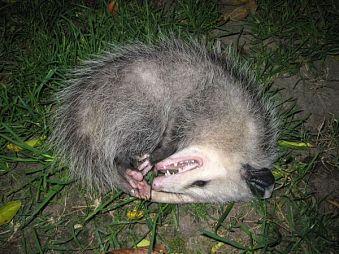
Finding a dead animal in or around your home is an experience no homeowner wants to face — yet it happens more often than most people expect. Whether it is a rodent that has expired inside a wall cavity, a possum that has crawled into your roof void, or a small bird that has become trapped in your subfloor, the consequences of leaving it unaddressed are far more serious than the initial discomfort suggests. For homeowners across Melbourne's north-eastern suburbs, professional Dead Animal Removal Templestowe services exist precisely because the health risks associated with decomposing animals are real, significant, and in some cases, potentially life-threatening if ignored long enough.
Why Dead Animals Are a Serious Health Concern
It is easy to underestimate the danger posed by a single dead animal. After all, it is just one small creature — how much harm could it really cause? The answer, unfortunately, is quite a lot.
The moment an animal dies, its body becomes a rapidly evolving ecosystem of bacteria, gases, and biological material. The decomposition process does not happen in isolation. It spreads — into the air you breathe, the surfaces in your home, and in some cases, the water sources nearby. Understanding exactly what is happening inside that carcass, and how it affects your living environment, is the first step towards appreciating why swift professional action is always the right response.
Bacterial Contamination: The Invisible Threat
Decomposing animals are rich sources of dangerous bacteria. As the body breaks down, pathogens that were previously contained within the animal's digestive and circulatory systems are released into the surrounding environment. The most commonly associated bacteria include Salmonella, Leptospira, E. coli, and Clostridium — all of which can cause serious illness in humans.
Salmonella, for instance, can contaminate nearby surfaces and soil, posing a particular risk to children who play outdoors or adults who tend vegetable gardens close to the affected area. Leptospirosis — caused by the Leptospira bacteria — is especially concerning in warm, humid Australian conditions, as it can survive in contaminated soil and water for extended periods and is transmitted through contact with infected material.
In enclosed spaces such as wall cavities and roof voids, the concentration of these bacteria is significantly higher than in open outdoor environments, which means that homes with dead animals in hidden locations carry a greater health burden than those with visible carcasses in the yard.
Airborne Pathogens and Respiratory Risks
One of the most underappreciated dangers of a dead animal inside the home is the risk posed by airborne pathogens. As decomposition progresses, gases such as ammonia, hydrogen sulphide, and methane are released. In an enclosed space, these gases build up and can enter your living areas through vents, gaps in walls, and the natural air circulation of the home.
Prolonged exposure to these gases — particularly ammonia and hydrogen sulphide — can cause irritation of the eyes, nose, and throat, chronic headaches, nausea, and in cases of severe or long-term exposure, more serious respiratory complications. For households where members already suffer from asthma, chronic obstructive pulmonary disease, or other respiratory conditions, the presence of these gases can trigger or worsen symptoms significantly.
Children and elderly family members are also at elevated risk, as their immune systems and respiratory capacity are more vulnerable to environmental contaminants than those of healthy adults.
Parasites: When the Problem Multiplies
When an animal dies, the parasites that lived on it — fleas, ticks, mites, and lice — do not die with it. Instead, they abandon the carcass and actively seek out new, living hosts. Inside a home, those hosts are your family members and pets.
This parasite dispersal is one of the most immediate and practically dangerous consequences of a dead animal on your property. Fleas, for example, can jump extraordinary distances relative to their size and spread through a home with alarming speed. Beyond the discomfort of bites, fleas are known carriers of murine typhus and, in rare cases, can transmit the bacteria associated with bubonic plague — a sobering reminder that these are not merely nuisance pests.
Ticks present their own serious health risks, particularly in Australian conditions. Certain tick species found across eastern Australia are capable of transmitting a range of illnesses, and with the explosion in tick populations observed in recent years, the risk of tick-borne disease following a dead animal event in or near the home should not be taken lightly.
Mites, too, can cause significant health issues — from allergic reactions and skin irritation to more serious conditions such as scrub typhus in regions where infected mites are present.
Fly Infestations and Secondary Contamination
Blowflies and other fly species are drawn to decomposing matter with extraordinary sensitivity. A dead animal inside your home — even one concealed inside a wall cavity — will attract flies, which will then lay eggs and produce maggots at a rapid rate. In warm Australian conditions, a blowfly can complete its lifecycle from egg to adult in as little as seven to ten days, meaning an infestation can escalate extremely quickly.
Beyond the obvious unpleasantness, flies are potent vectors for disease. They carry bacteria from the decomposing carcass on their bodies and legs, transferring it to food preparation surfaces, utensils, and food itself. This creates a secondary contamination pathway that extends the health risk well beyond the immediate location of the dead animal.
Mould Growth and Long-Term Structural Health Risks
Decomposition produces fluids that saturate surrounding building materials — insulation, plasterboard, timber framing, and flooring. This persistent moisture creates ideal conditions for mould growth, and mould in an Australian home is a health issue that demands serious attention.
Mould spores — particularly from toxic black mould species such as Stachybotrys chartarum — can cause a wide range of health problems including respiratory illness, chronic fatigue, neurological symptoms, and severe allergic reactions. Once mould takes hold in a wall cavity or roof void, it can spread through the home's ventilation system and become extremely difficult and expensive to remediate.
For households in Queensland, where heat and humidity already create challenging conditions for moisture management, this risk is especially pronounced. Reliable Pest control Brisbane professionals consistently identify mould associated with dead animal events as one of the more complex and costly remediation challenges they encounter — precisely because the connection between the original carcass and the resulting mould problem is not always made until significant damage has already occurred.
Mental Health and Wellbeing Impacts
While the physical health risks are well-documented, the impact of a dead animal in the home on mental health and daily wellbeing deserves acknowledgement too. The persistent, unavoidable odour of decomposition is deeply distressing for most people. It disrupts sleep, diminishes appetite, causes anxiety, and creates a pervasive sense of discomfort that makes the home feel unsafe and uninhabitable.
For families with young children, the stress of managing the situation — particularly if the source cannot be immediately located — can be considerable. The sooner the problem is resolved, the sooner normal household life can resume.
What You Should Do Immediately
If you suspect a dead animal is present in or around your home, here is how to respond safely and effectively.
Avoid direct contact with the animal or any area you suspect has been contaminated. Do not handle the carcass without heavy-duty gloves, a fitted face mask, and protective clothing at an absolute minimum.
Ventilate your home by opening windows and doors to improve airflow, but avoid running the air conditioning on a recirculate setting, as this risks spreading airborne particles further through the home.
Isolate the affected area as best you can. Keep children and pets away from the space where the smell is strongest until a professional has assessed the situation.
Contact a licensed removal professional without delay. Attempting to locate and remove an animal from inside a wall, roof void, or subfloor without the right equipment is not only dangerous — it frequently results in additional damage to the property and incomplete removal of the carcass and contaminated material.
Request full remediation as part of the service, not just carcass removal. A thorough job includes disinfection of the affected area, odour neutralisation, and an inspection of entry points to prevent future occurrences.
Protecting Your Home Going Forward
Once the immediate issue has been resolved, the focus should shift to ensuring it does not happen again. Work with your pest control professional to seal any identified entry points around your roof, subfloor, and external walls. Address any existing rodent or wildlife activity promptly, and schedule annual inspections of roof voids and subfloor spaces — particularly in older homes where gaps and deterioration are more common.
A proactive approach to pest management is always less expensive, less stressful, and less harmful to your family's health than reactive crisis management.
Final Thoughts
The health risks posed by a dead animal inside your home are real, wide-ranging, and — critically — avoidable with the right response. From bacterial contamination and airborne pathogens to parasite dispersal, fly infestations, and mould growth, the consequences of inaction compound with every passing day. Protecting your family means acting quickly, calling in qualified professionals, and taking meaningful steps to prevent the problem from recurring.
Your home should be a place of safety and comfort. Do not let a dead animal compromise that.
Catégories
Lire la suite
A broken garage door can cause stress and stop your day. If it suddenly stops working, it can be unsafe and annoying. Garage Door Repair Augusta, GA services help fix doors fast and safely. Garage Door Repair of Augusta is ready to handle any emergency garage door repair problem. We fix small problems like broken springs or stuck doors. We also handle bigger problems like damaged panels or...
"Future of Executive Summary Middle East and Africa Yeast Market: Size and Share Dynamics Data Bridge Market Research analyses that the yeast market was valued at USD 158.32 million is expected to reach the value of USD 263.99 million by 2029, at a CAGR of 6.6% during the forecast period. This Middle East and Africa Yeast Market research report serves the determination of businesses to...

"Executive Summary Asia-Pacific Unmanned Surface Vehicle (USV) Market Size and Share Forecast Data Bridge Market Research analyses that the Asia-Pacific unmanned surface vehicle (USV) market is expected to reach the value of USD 717.23 million by 2030, at a CAGR of 13.2% during the forecast period. The Asia-Pacific Unmanned Surface Vehicle (USV) report also makes available CAGR...
The global glucose monitoring devices market is experiencing steady and sustained growth, driven by rising diabetes prevalence, increasing awareness of preventive healthcare, and rapid advancements in monitoring technologies. According to Straits Research, the market was valued at USD 13.88 billion in 2025 and is projected to reach USD 22.64 billion by 2034,...
Automotive Ignition Coil Market Expands Steadily with Rising Vehicle Production, Engine Efficiency Demand, and Advanced Ignition System Innovations Growing Automotive Production and Engine Efficiency Requirements Driving Market Expansion The Automotive Ignition Coil Market is witnessing steady growth as global vehicle production increases and manufacturers focus on improving engine...