Benelli M2 20 Gauge vs 12 Gauge: Which Shotgun Should You Choose?
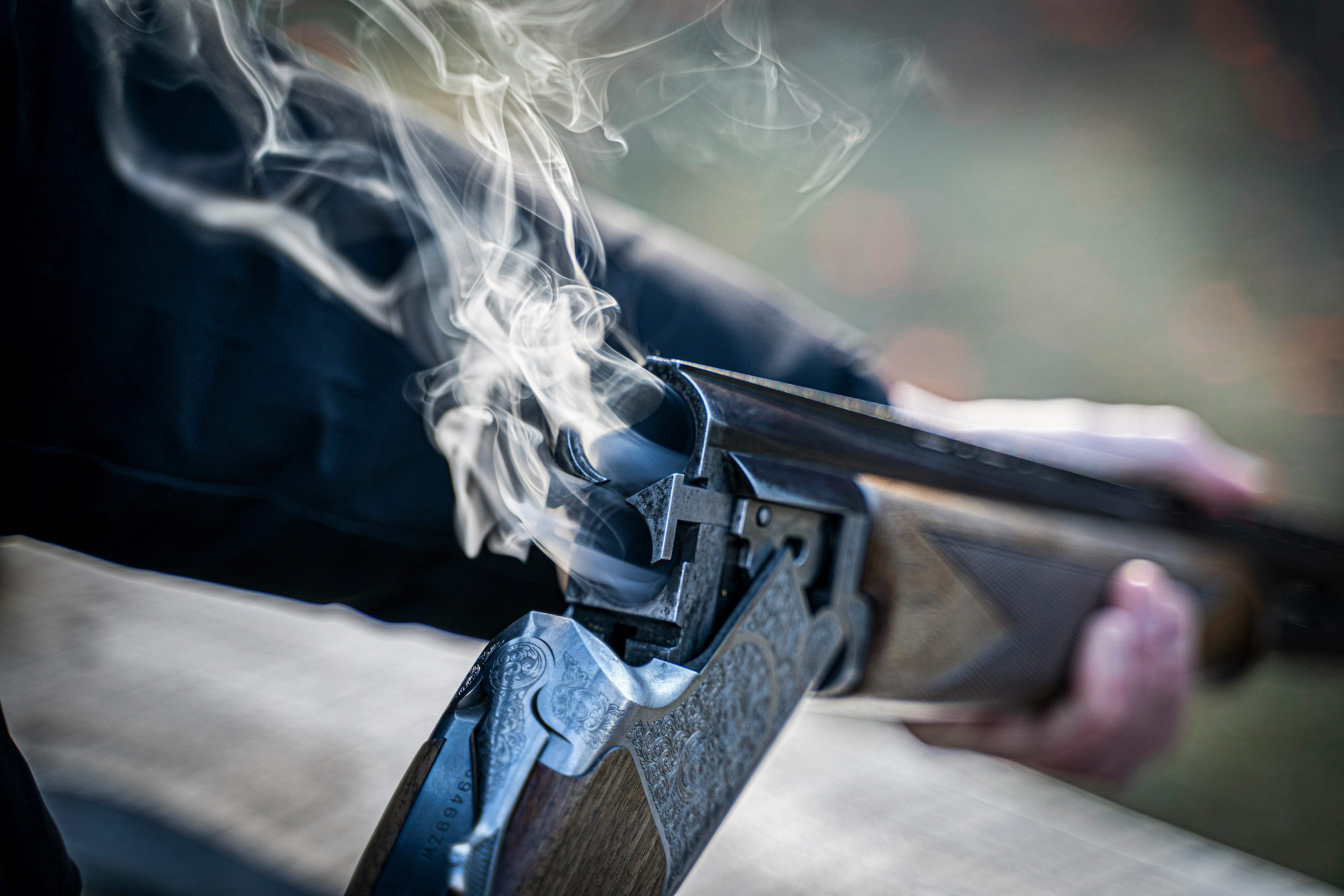
Choosing the right shotgun can make a significant difference in your shooting experience, whether you’re a hunter, competitive shooter, or firearm enthusiast. Among the most respected semi-automatic shotguns available today is the Benelli M2, known for its durability, reliability, and advanced inertia-driven system. One of the most common questions shooters ask is whether they should choose the Benelli M2 20 Gauge or the 12 gauge version. While both models share the same platform and legendary performance, their differences in recoil, weight, versatility, and intended use can strongly influence which shotgun is the better fit for your needs.
This guide will explore the key differences between the Benelli M2 20 Gauge and the 12 gauge version. By understanding their performance characteristics, advantages, and ideal applications, you’ll be better equipped to decide which shotgun belongs in your collection.
Overview of the Benelli M2 Platform
Before diving into the gauge comparison, it’s important to understand what makes the Benelli M2 such a popular shotgun among shooters worldwide. The M2 uses Benelli’s inertia-driven operating system, which relies on recoil energy rather than gas to cycle the action. This design has several advantages, including fewer moving parts, reduced fouling, and greater reliability in harsh environments.
Hunters and tactical shooters alike appreciate the M2 for its rugged construction and dependable performance. The shotgun cycles quickly and smoothly, making it ideal for fast follow-up shots. It is commonly used for upland hunting, waterfowl hunting, 3-Gun competitions, and even home defense setups.
Because both the 20 gauge and 12 gauge variants share the same design philosophy, the primary differences come down to how each gauge performs in real-world shooting situations.
Understanding Shotgun Gauge Differences
The term “gauge” refers to the diameter of the shotgun barrel and the size of the shotshell it fires. In simple terms, a lower gauge number means a larger bore diameter. That’s why a 12 gauge shotgun fires a larger shell than a 20 gauge.
This difference directly affects several aspects of performance, including:
-
Recoil intensity
-
Shot payload
-
Effective range
-
Weight of the firearm
-
Versatility in different shooting scenarios
While both gauges are highly effective, their characteristics make them better suited for different types of shooters and shooting environments.
Recoil and Shooting Comfort
One of the most noticeable differences between these two options is recoil. The 12 gauge is well known for its power, but that power comes with stronger recoil.
The 20 gauge version generally produces significantly less recoil, making it easier to handle for extended shooting sessions. This is one of the primary reasons many shooters prefer the Benelli M2 20 Gauge when hunting upland birds or small game. Reduced recoil allows for quicker target reacquisition and less fatigue during long days in the field.
For younger shooters, smaller framed hunters, or anyone sensitive to recoil, the 20 gauge provides a comfortable shooting experience without sacrificing much effectiveness.
On the other hand, experienced shooters often tolerate or even prefer the stronger recoil of a 12 gauge because it allows them to fire heavier loads and achieve greater knockdown power.
Weight and Handling
Another major advantage of the 20 gauge version is its lighter weight. Shotguns chambered in 20 gauge typically weigh less than their 12 gauge counterparts because they use a smaller receiver and lighter barrel.
A lighter shotgun can make a noticeable difference during long hunting trips where you might carry your firearm for hours at a time. Upland hunters in particular value lightweight shotguns because they often walk long distances through fields and wooded terrain.
The improved balance and handling of a lighter shotgun can also help shooters swing more naturally when tracking fast-moving birds.
In contrast, the 12 gauge version is slightly heavier. While this may seem like a disadvantage, the additional weight can actually help absorb recoil and improve stability when firing powerful loads.
Power and Shot Payload
Where the 12 gauge truly shines is in its payload capacity. A typical 12 gauge shell carries more pellets than a 20 gauge shell, which increases the density of the shot pattern.
This greater payload provides several advantages:
-
Improved performance on larger game
-
Increased effective range
-
Better results in waterfowl hunting
-
Greater versatility with specialty ammunition
For example, hunters targeting ducks or geese often rely on 12 gauge shotguns because they can fire heavier steel or tungsten loads that deliver stronger impact at longer distances.
While the 20 gauge can still perform well in many hunting scenarios, it simply cannot match the raw payload capacity of a 12 gauge shell.
Versatility in Hunting Applications
When choosing between these two gauges, it’s helpful to consider the type of hunting you plan to do most often.
Upland Bird Hunting
For upland game such as pheasant, quail, and grouse, the 20 gauge is often considered ideal. Its lighter weight and reduced recoil allow hunters to react quickly to flushing birds and maintain accuracy during rapid shots.
Many experienced upland hunters believe that the Benelli M2 20 Gauge offers the perfect balance between power and maneuverability in these environments.
Waterfowl Hunting
Waterfowl hunters typically lean toward the 12 gauge because it can handle heavier loads required for ducks and geese. The additional pellet count and higher velocity loads increase the chances of clean, ethical kills at longer distances.
Turkey Hunting
Turkey hunting is another area where the 12 gauge often dominates. Heavy turkey loads with large shot sizes perform best in the larger bore of a 12 gauge shotgun.
However, modern ammunition has significantly improved the performance of 20 gauge turkey loads, making them a viable option for hunters who prefer lighter recoil.
Small Game Hunting
For rabbits, squirrels, and other small game, both gauges perform well. The choice often comes down to personal preference and comfort.
Hunters who prioritize portability and reduced recoil frequently favor the 20 gauge.
Ammunition Availability and Cost
Another factor worth considering is ammunition availability. Because the 12 gauge is the most popular shotgun gauge in the world, it generally has a wider variety of loads available.
These include:
-
Birdshot
-
Buckshot
-
Slugs
-
Specialty hunting loads
-
Reduced recoil shells
While 20 gauge ammunition is still widely available, the overall selection tends to be smaller compared to 12 gauge offerings.
Cost differences are usually minimal, but 12 gauge ammunition can sometimes be slightly cheaper simply due to higher production volumes.
Home Defense Considerations
Both gauges can be used for home defense, though the 12 gauge is often considered the standard choice for this purpose.
A 12 gauge shotgun loaded with buckshot delivers tremendous stopping power, which is why it is widely used by law enforcement and military personnel.
However, a 20 gauge shotgun should not be underestimated. Modern defensive loads make it a highly effective option, particularly for shooters who struggle with the recoil of a 12 gauge.
In fact, many homeowners choose a 20 gauge shotgun because it provides strong defensive capability with better controllability.
Maintenance and Reliability
One of the biggest advantages shared by both models is the reliability of Benelli’s inertia-driven system. Unlike gas-operated shotguns that require frequent cleaning to remove carbon buildup, inertia-driven shotguns stay cleaner and require less maintenance.
This system is especially valuable for hunters who spend time in muddy fields, snowy landscapes, or dusty environments.
Because the operating system is identical between gauges, both versions of the M2 deliver the same dependable performance that Benelli shotguns are known for.
Choosing the Right Shotgun for Your Needs
Deciding between the 20 gauge and 12 gauge ultimately depends on how you plan to use your shotgun.
You may prefer the 20 gauge if:
-
You want lighter recoil
-
You prioritize a lightweight firearm
-
You mainly hunt upland birds or small game
-
You are a newer or smaller-framed shooter
You may prefer the 12 gauge if:
-
You want maximum power and versatility
-
You frequently hunt waterfowl or turkey
-
You prefer a larger shot payload
-
You plan to use heavy specialty loads
There is no universally “better” option—only the option that best fits your shooting style and intended applications.
Final Thoughts
Both the 20 gauge and 12 gauge versions of the Benelli M2 are exceptional shotguns that deliver reliability, accuracy, and rugged performance. The decision ultimately comes down to balancing power, recoil, weight, and versatility.
For hunters who spend long days walking through fields in pursuit of upland birds, the lighter weight and smoother recoil of the 20 gauge can be incredibly appealing. Meanwhile, shooters who demand maximum power and flexibility often lean toward the 12 gauge for its superior payload and broader ammunition selection.
Regardless of which option you choose, the Benelli M2 platform remains one of the most trusted semi-automatic shotguns in the firearms world. If you’re researching shotguns, comparing models, or looking for trusted listings and firearm insights, platforms like GunsAmerica can also help shooters explore available options and learn more about the firearms that best match their needs.
Categorias
Leia Mais
Introduction If you want to start using the platform, the first step is completing the Diamond exchange 99 register process. Registration allows users to create an account and access sports exchange markets, gaming features, and account management tools. Many new users in India search for a clear and simple way to register without confusion. Understanding the correct registration process helps...

When high-end graphics cards are discussed in 2026, no debate ignites more passion among gamers, creators, and AI enthusiasts than the NVIDIA RTX 4090. Once heralded as the king of consumer GPUs, today its relevance and value are under intense scrutiny. With newer GPUs hitting the market and used prices still surprisingly high, many people ask: Is the RTX 4090 still a sensible buy in 2026? In...
A new growth forecast report titled Pet Grooming Services Market Share, Size, Trends, Industry Analysis Report, By Pet Type (Dogs, Cats, Others); By Delivery Channel (Commercial Facilities, Others); By Service Type; By Region; Segment Forecast, 2022 - 2030 introduced by Polaris Market Research represents conclusive data on the overall market. It majorly targets to provide a detailed...

When it comes to merging luxury craftsmanship with raw street style, Chrome Hearts stands in a league of its own. The brand’s signature blend of gothic motifs, heavyweight materials, and bold silhouettes has made it a staple in modern streetwear culture. Whether you’re a longtime collector or just stepping into the world of high-end street fashion, certain Chrome Hearts pieces are...

Industries that rely on controlled fluid or gas flow depend heavily on reliable regulation systems. A pressure regulator in Singapore plays a vital role in maintaining safe operating pressure, protecting equipment, and ensuring consistent performance across industrial, commercial, and technical applications. What Is a Pressure Regulator? A pressure regulator is a mechanical device designed to...