


IPL Photofacial: A Complete Guide to Clearer and Healthier Skin

Skin concerns such as sun damage, redness, dark spots, and uneven tone are very common. Many people want a treatment that can improve skin appearance without surgery or long recovery time. One popular option used by dermatology clinics and aesthetic centers is IPL Photofacial.
IPL Photofacial is a non-invasive skin treatment that helps improve overall skin tone and texture. It uses light technology to target different skin concerns and gradually restore a smoother and more even complexion.
In this guide, you will learn how IPL Photofacial works, the skin problems it can treat, its benefits, and what to expect during and after the procedure.
What is IPL Photofacial?
IPL Photofacial stands for Intense Pulsed Light Photofacial. It is a cosmetic skin treatment that uses controlled pulses of light energy to improve the appearance of the skin.
Unlike traditional laser treatments that use a single wavelength, IPL uses multiple wavelengths of light. These light pulses penetrate the skin and target pigment, redness, and damaged skin cells. The body naturally removes these damaged cells and replaces them with new healthy skin.
Because of this process, the skin gradually becomes clearer, brighter, and more even in tone.
IPL Photofacial is commonly used on areas that receive frequent sun exposure such as the face, neck, chest, and hands.
Skin Concerns Treated by IPL Photofacial
IPL Photofacial is used to treat many common skin conditions. It is especially helpful for people who want to improve overall skin tone and reduce visible imperfections.
Common skin concerns treated with IPL include:
-
Sun damage and sun spots
-
Age spots and brown pigmentation
-
Rosacea and facial redness
-
Broken capillaries and visible veins
-
Acne and acne scars
-
Uneven skin tone
-
Enlarged pores
-
Dull or rough skin texture
Because IPL targets both pigment and blood vessels, it can treat several issues at the same time.
Benefits of IPL Photofacial
Many patients choose IPL Photofacial because it provides noticeable skin improvement without surgery.
Some of the main benefits include:
Improved Skin Tone
IPL helps reduce pigmentation, redness, and discoloration. This creates a more balanced and even skin tone.
Reduction of Sun Damage
Sun exposure often causes dark spots and uneven skin. IPL light energy breaks down excess pigment and allows the body to naturally clear it.
Smoother Skin Texture
The treatment stimulates natural skin renewal. Over time the skin becomes smoother and healthier.
Minimal Downtime
One of the biggest advantages of IPL Photofacial is that it requires very little recovery time. Most patients return to normal activities shortly after treatment.
Gradual Natural Results
Results appear gradually as the body heals and replaces damaged skin cells. This creates natural looking improvement.
How the IPL Photofacial Treatment Works
The IPL Photofacial procedure is usually performed in a dermatology clinic or medical spa. The treatment process is simple and typically takes 20 to 45 minutes depending on the treatment area.
Step 1: Skin Preparation
The skin is first cleaned to remove makeup, oil, and impurities. A cooling gel may be applied to protect the skin and improve comfort during treatment.
Step 2: Light Pulses
A handheld IPL device delivers controlled pulses of light to the treatment area. Patients may feel a mild snapping sensation similar to a rubber band.
The light energy penetrates the skin and targets pigment, redness, and damaged cells.
Step 3: Natural Skin Healing
After treatment, the body begins to break down and remove the damaged pigment and vessels. Over the following weeks the skin becomes clearer and more even.
How Many IPL Sessions Are Needed?
Most patients need 3 to 5 treatment sessions to achieve the best results. Sessions are usually spaced about 3 to 4 weeks apart.
Multiple treatments allow the light energy to gradually improve skin tone and reduce pigmentation without damaging surrounding skin.
Maintenance treatments may also be recommended once or twice a year to maintain results.
Recovery and Aftercare
Recovery after IPL Photofacial is generally mild. Many people return to daily activities the same day.
However, some temporary effects may occur:
-
Mild redness
-
Slight swelling
-
Darkening of pigmented spots before they fade
These effects usually improve within a few days.
After treatment it is important to protect the skin from sunlight. Dermatologists usually recommend:
-
Using a broad-spectrum sunscreen
-
Avoiding direct sun exposure
-
Keeping the skin moisturized
-
Avoiding harsh skincare products for a few days
Proper aftercare helps protect the skin and improves treatment results.
Who is a Good Candidate for IPL Photofacial?
IPL Photofacial works best for individuals who want to improve mild to moderate skin concerns without surgery.
Good candidates often include people who have:
-
Sun damage or pigmentation
-
Redness or rosacea
-
Uneven skin tone
-
Early signs of aging
-
Acne marks or small visible veins
People with lighter skin tones usually respond better to IPL treatments because the technology targets pigment contrast in the skin.
A professional skin evaluation is important before starting treatment to determine if IPL is suitable for your skin type.
Final Thoughts
IPL Photofacial is a widely used skin treatment that improves skin tone, reduces pigmentation, and restores a brighter appearance. The procedure is non-invasive, quick, and requires minimal downtime. By targeting pigment and damaged skin cells with controlled light energy, IPL Photofacial helps create smoother, clearer, and healthier looking skin over time. With multiple sessions and proper skin care, many patients experience long-lasting improvements in their skin’s overall appearance.
Categorias
Leia Mais
Dermatologist Orlando | Allergy & Asthma Center | Skin check, Acne, Skin Cancer, Moles | Consult with board-certified dermatology specialists for skin conditions from acne to skin cancer. Schedule a mole check exam for unusual skin mark concerns. Learn to manage your allergy and asthma symptoms with qualified allergists for better breathing.
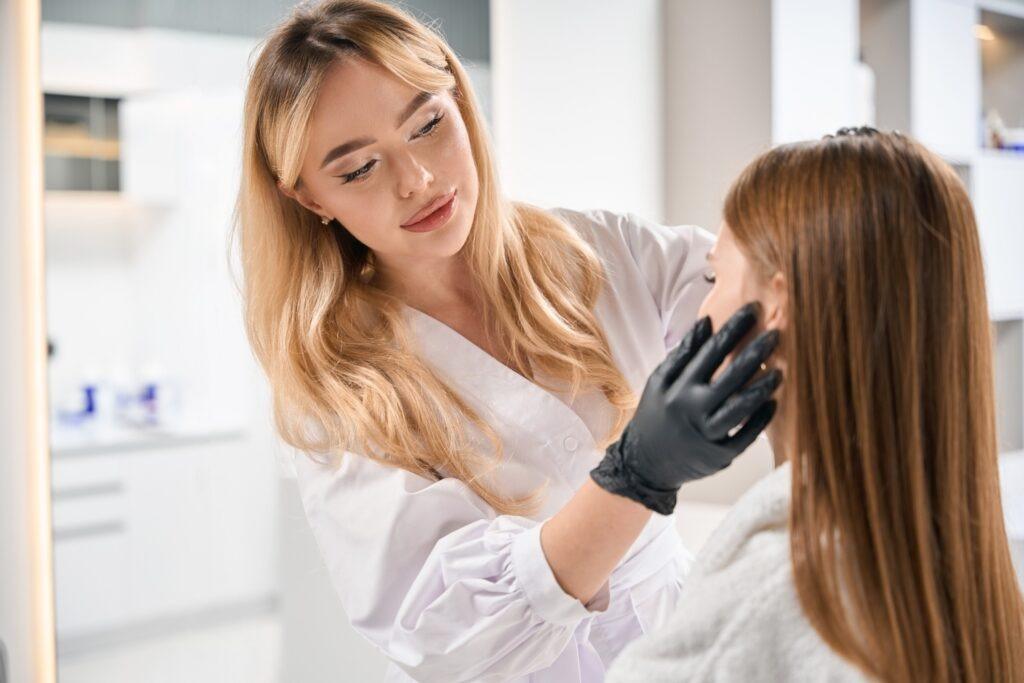
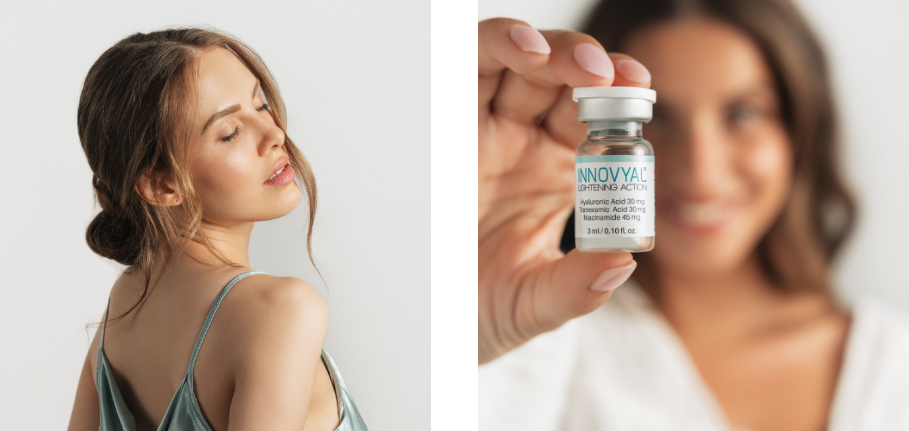
Healthy, hydrated skin is the foundation of a youthful and glowing appearance. In modern aesthetic medicine, deep skin hydration treatments have become one of the most effective ways to restore freshness without surgery. One of the leading solutions is Innovyal Injection in Dubai & Abu Dhabi, a skin booster designed to intensely hydrate the skin, improve elasticity, and enhance...
A well‑designed website does more than look good—it guides visitors, builds trust, and turns clicks into customers. For Australian businesses, choosing the right website design packages is one of the most effective ways to improve user experience (UX) and increase sales, without overcomplicating your digital strategy. Why user experience matters User experience is the first...

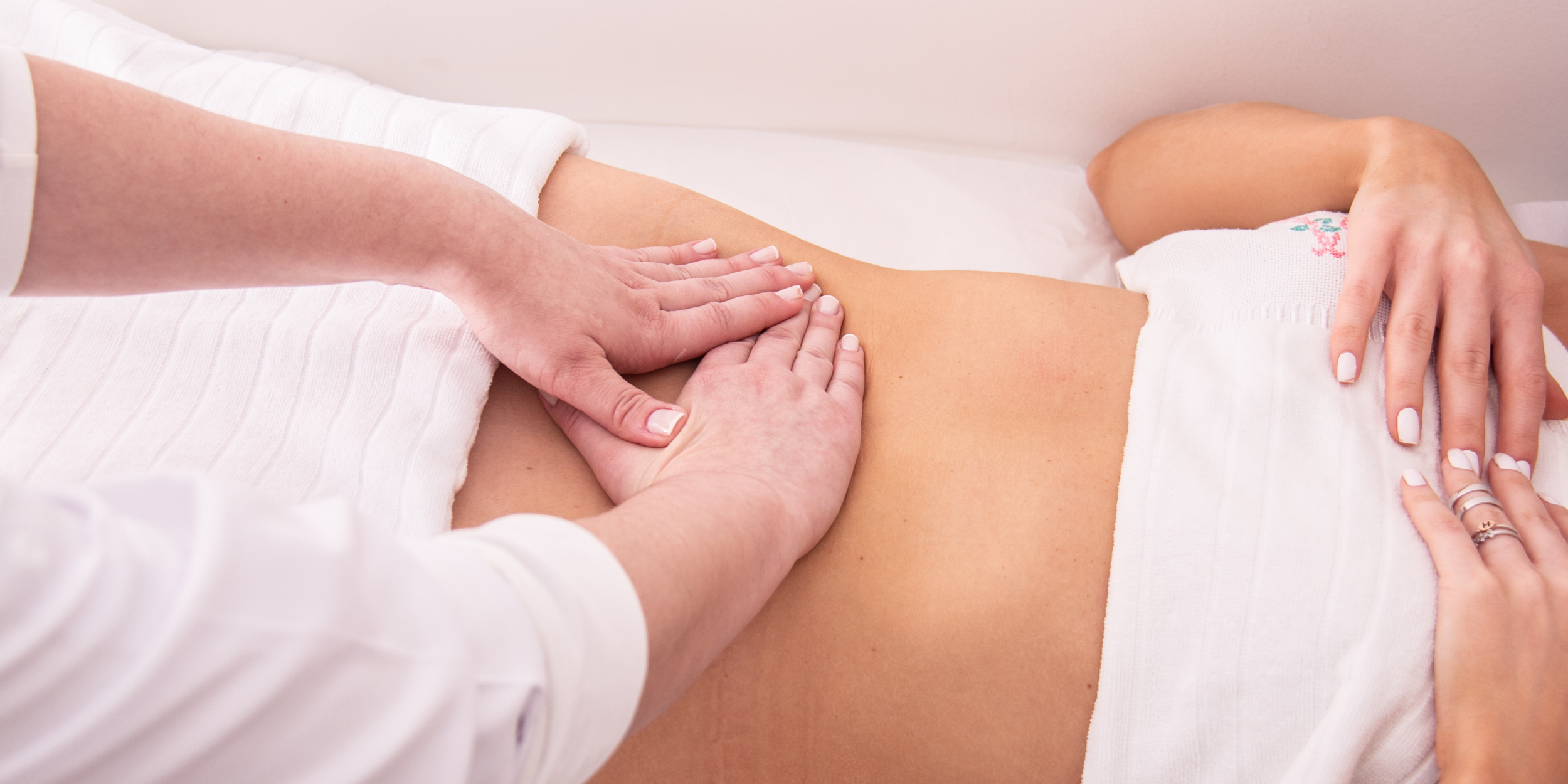
The lymphatic system is a vital component of the human body, responsible for maintaining fluid balance, supporting immune function, and eliminating toxins. Many people underestimate its importance until issues like swelling, fatigue, or frequent illness arise. A Lymphatic Drainage Massage is a therapeutic approach designed to stimulate the lymphatic system, enhancing its natural ability to...
A new growth forecast report titled Pilates & Yoga Studios Market Size, Share, Trend, & Industry Analysis Report By Activity Type (Yoga Classes, Pilates Classes, Pilates & Yoga Accreditation Training, Merchandise Sales), By Region – Market Forecast, 2025–2034 introduced by Polaris Market Research represents conclusive data on the overall market. It majorly...
