Protecting Your Glow: A Guide to Skin Health and Mole Safety in Dubai
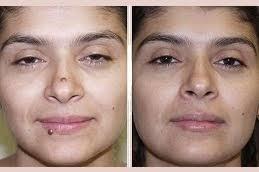
Living in a vibrant, sun-drenched city like Dubai comes with an incredible lifestyle, but it also means our skin faces unique environmental challenges. The combination of intense heat, humidity, and year-round sun exposure requires a proactive and thoughtful approach to skincare. Whether you are aiming for a radiant complexion or keeping a watchful eye on your moles, understanding how to care for your Mole Removal Dubai you can make for your long-term health.
Mastering the Dubai Skincare Routine
The foundation of healthy skin in this climate is consistency. The intense UV index means your skin is constantly working to protect itself from damage that can lead to premature aging, pigmentation, and higher risks of skin conditions.
-
Sun Protection is Non-Negotiable: A broad-spectrum SPF 50+ is your most essential tool. It should be applied every single morning—even on cloudy days or when you are indoors, as UV rays easily penetrate windows. Remember to reapply every two to three hours if you are spending time outdoors.
-
Smart Hydration: While the humidity might make you feel like your skin is moisturized, the reality is often the opposite. Air conditioning strips moisture from the air and your skin. Use lightweight, water-based, or gel-based moisturizers that contain hyaluronic acid to lock in hydration without clogging your pores.
-
Gentle Cleansing: With the heat causing more sweat and sebum production, it is tempting to scrub your face harshly. Resist this urge! Use a gentle, sulfate-free cleanser twice a day to remove debris without compromising your natural skin barrier.
-
Evening Recovery: Nighttime is when your skin repairs itself. This is the perfect time to incorporate targeted treatments like Vitamin C for brightening, or retinol to boost collagen and improve texture.
Keeping an Eye on Your Moles
Most moles are harmless, but because they are common, it is easy to overlook them. In a sunny environment, it is particularly important to perform regular self-examinations. You know your body best, so if you notice something "new or changing," it is time to take action.
The ABCDE Rule for Self-Checks
When monitoring your moles, look for these five warning signs:
-
A (Asymmetry): Does one half of the mole not match the other? A healthy mole is typically symmetrical.
-
B (Border): Are the edges irregular, ragged, notched, or blurred?
-
C (Color): Is the color uneven? Look for multiple shades of brown, tan, black, red, or white.
-
D (Diameter): Is it larger than 6mm (about the size of a pencil eraser) or growing larger?
-
E (Evolution): This is the most important one. Has the mole changed in size, shape, color, or elevation? Does it itch, crust, or bleed?
If you notice any of these changes, or if a new mole appears in adulthood, it is crucial to consult a professional.
The Professional Approach to Mole Removal
If a mole is bothering you—whether it is causing physical discomfort or you simply want it removed for cosmetic reasons—always seek professional assistance. Never attempt to remove a mole at home. Many "DIY" kits or methods carry a high risk of infection, permanent scarring, and, most importantly, the removal of tissue that should have been analyzed by a lab.
When you visit a professional, the process is generally safe, quick, and precise. A skin specialist will examine the mole to determine if it is benign or if it requires a biopsy. Common methods include:
-
Surgical Shave: The area is numbed, and a small blade is used to shave off the raised portion of the mole.
-
Surgical Excision: For deeper moles or those that need a thorough laboratory analysis, the mole and a small margin of surrounding skin are removed, often followed by a few stitches.
-
Laser Treatment: Reserved for non-cancerous moles, this uses concentrated light to break down pigment.
The key benefit of professional removal is safety. If a mole is removed, it can be sent for a biopsy to ensure there are no abnormal cell growths. This peace of mind is invaluable. Following any procedure, your specialist will provide specific aftercare instructions, such as keeping the area clean, avoiding direct sunlight to prevent dark spots, and ensuring the wound heals without complications.
Your skin is a reflection of your overall health. By embracing a routine that prioritizes sun protection and staying vigilant about your skin’s appearance, you are ensuring that your skin stays healthy, resilient, and glowing. Never hesitate to book a professional skin check-up; it is a simple, effective step toward safeguarding your well-being.
الأقسام
إقرأ المزيد
Access to accurate medical testing plays a vital role in early diagnosis and effective treatment. As healthcare awareness increases, people are actively searching for reliable diagnostic services that offer precision, transparency, and timely reporting. Choosing the right Diagnostic Lab in Gurugram is essential for individuals who want dependable blood tests, advanced imaging, and...

Making Adobe AD0-E406 Exam Study Simple and Stress-Free Preparing for the Adobe AD0-E406 exam does not have to feel stressful or confusing. Many students struggle because they study too much without a clear plan. They read many resources but still feel unsure about what really matters for the exam. Choosing clear and trusted Adobe AD0-E406 study material makes preparation simple, focused, and...

Market Summary The global vitrification market was valued at USD 6.51 billion in 2020 and is expected to grow at a CAGR of 17.5% during the forecast period. The demand for vitrification is growing owing to the advent of automated vitrification equipment and the rising infertility rate impelling the market growth around the world and increasing inclination towards the preservation of...

Разработчики популярной мобильной MOBA Mobile Legends: Bang Bang из студии Moonton объявили о запуске масштабного проекта под названием NEX, который станет ключевым событием текущего года для игры. Этот проект предполагает серию обновлений, направленных на кардинальное улучшение игрового процесса и визуального оформления. В рамках NEX планируется внести изменения во внешний вид героев, а также...

As someone who enjoys staying up to date with modern vape technology, I’ve learned that device performance depends just as much on the flavor blend as the hardware itself. Some flavors work beautifully with high-efficiency coils and airflow systems, while others fall apart under stronger output. That’s what led me to Watermelon Lemonade Monster. It’s one of the few blends that...