


What Is a CNC Tool? Types, Holders, and How They Work in CNC Machines
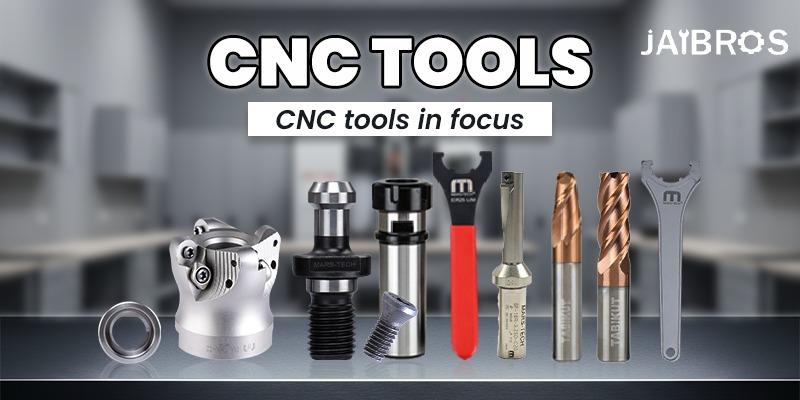
CNC tools play a key role in modern machining by cutting and shaping metal parts with high precision. Learn tool types, holders, and their role in accurate manufacturing.
What Is a CNC Tool?
A cnc tool is a cutting instrument used in computer-controlled machines to remove material from a workpiece. It shapes metal or other materials according to programmed instructions given to the machine.
These tools are designed for different machining operations such as turning, milling, drilling, and boring. Each operation requires a different shape and cutting edge design.
Most tools used in modern machining are made from strong materials such as carbide, high-speed steel, and ceramic. These materials help the tool withstand high temperature, pressure, and friction during cutting.
Because machines work at very high speeds, tool strength and precision become extremely important. A properly selected cutting tool helps produce smooth surfaces, accurate dimensions, and longer machine life.
Role of Tools in a CNC Tool Machine
A cnc tool machine is a computer-controlled system that performs automated machining operations. The machine follows a program that controls movement along multiple axes.
However, the actual cutting action is performed by the tool attached to the machine spindle or turret. Without the correct cutting equipment, the machine cannot produce the required shape or size.
Different machining operations require different tools. For example:
-
Turning tools shape round components on a lathe.
-
Milling cutters remove material from flat or curved surfaces.
-
Drills create holes.
-
Boring tools enlarge existing holes.
In every case, the tool interacts directly with the workpiece. That is why choosing the correct tool type and mounting system is very important for machining performance.
Common CNC Tool Types Used in Workshops
Understanding cnc tools type options helps machinists choose the correct tool for specific operations. Each tool is designed for a particular job.
Turning Tools
Turning tools are widely used in CNC lathes. These tools remove material from rotating workpieces and are commonly used to produce cylindrical parts.
They are used for operations such as facing, grooving, threading, and external turning. Many turning tools use replaceable carbide inserts which improve tool life and reduce cost.
Milling Cutters
Milling cutters are used in machining centers to remove material from surfaces. They rotate at high speed and cut metal using multiple cutting edges.
These cutters are used to produce slots, pockets, contours, and flat surfaces. End mills and face mills are common examples used in milling operations.
Drilling Tools
Drilling tools create holes in metal components. These tools must maintain accuracy while cutting at high speeds.
Many machining centers use specialized drill designs that improve chip removal and reduce heat during operation.
Boring Tools
Boring tools enlarge an existing hole to achieve a precise diameter and smooth finish. This operation is common in parts that require tight tolerances.
Because accuracy is critical, boring tools are often designed with adjustable settings.
Each cnc tool type is carefully designed to match specific machining needs and material conditions.
Importance of CNC Tool Holder Systems
A cnc tool holder connects the cutting tool to the machine spindle or turret. It holds the tool firmly and ensures stable cutting during operation.
Without a proper holder, the tool may vibrate or move slightly. Even a small movement can reduce machining accuracy and damage the tool.
Tool holders also help maintain correct alignment between the cutting edge and the workpiece. This alignment is important for producing precise components.
Modern machining centers use different holder systems depending on the machine design and cutting requirements.
Types of CNC Tool Holders
There are several types of cnc tool holders used in machining operations. Each design supports a specific tool style and machine configuration.
Collet Tool Holders
Collet holders are commonly used for end mills and small cutting tools. They grip the tool using a collet that tightens around the tool shank.
This design provides strong grip and good accuracy.
Hydraulic Tool Holders
Hydraulic holders use internal pressure to clamp the tool securely. These holders provide excellent vibration control and are often used in high-precision machining.
They are useful when surface finish and accuracy are critical.
Shrink Fit Holders
Shrink fit holders use heat to expand the holder so the tool can be inserted. Once cooled, the holder grips the tool tightly.
This method provides very high stability and is often used in high-speed machining.
Turning Tool Holders
Turning holders are designed for lathe operations and support replaceable inserts used for turning, facing, or grooving tasks.
These holders provide strong support and correct cutting angles during machining.
Choosing the correct holder helps maintain stability, reduce vibration, and improve machining efficiency.
How Proper Tool Selection Improves Machining
Selecting the right cutting equipment is important for productivity and accuracy. Using the wrong tool can lead to poor surface finish, tool wear, and machine damage.
Proper tool selection offers several advantages:
-
Better cutting performance
-
Improved surface quality
-
Reduced machine vibration
-
Longer tool life
-
Lower production cost
A correctly selected cnc tool ensures smooth cutting and consistent machining results.
Tips for Maintaining CNC Cutting Tools
Tool maintenance is very important in machining workshops. Proper care helps increase tool life and maintain machining accuracy.
Clean tools regularly to remove metal chips and dust. Dirt or chips stuck on the tool can affect cutting performance.
Always check the tool holder before installation to make sure it is clean and aligned properly.
Store tools in protective cases to prevent damage or corrosion.
Finally, replace worn tools at the right time. Continuing to use a damaged tool can affect both the machine and the workpiece.
Regular inspection ensures that the cnc tool continues to perform efficiently during machining operations.
Where Can You Find Reliable CNC Machine Tools and Accessories?
When working with machining equipment, choosing reliable tools and accessories is important for accuracy and performance. Many workshops look for suppliers that provide a wide range of industrial products along with consistent quality. Jaibros is known in the machining and industrial supply sector for offering various CNC machine tools, accessories, measuring instruments, and workshop products. With years of experience in the field, the company focuses on supplying practical tools that support machining operations in industries such as manufacturing, metalworking, and engineering. Their online platform also makes it easier for workshops and professionals to explore different tooling options and industrial equipment in one place.
Conclusion
CNC machining is an important part of modern manufacturing. From automotive components to industrial machinery parts, precision machining is required everywhere.
The cutting process depends greatly on the quality and selection of the cnc tool used in the machine. Different tool types perform different operations such as turning, milling, drilling, and boring.
Tool holders also play a key role in maintaining stability and precision during machining. Understanding the different types of holders and tools helps machinists achieve better results.
When the correct tool and holder are used together, machining becomes more efficient, accurate, and reliable.
Frequently Asked Questions (FAQs)
1. What is a cnc tool used for?
It is used to cut, shape, and remove material from a workpiece in computer-controlled machining operations.
2. How many types of CNC cutting tools are there?
Common types include turning tools, milling cutters, drilling tools, and boring tools.
3. Why are tool holders important in CNC machines?
They hold the cutting tool securely and ensure stable and accurate machining.
4. What materials are CNC cutting tools made from?
Most tools are made from carbide, high-speed steel, ceramic, or coated materials.
5. How can I increase the life of CNC tools?
Regular cleaning, correct installation, proper cutting speeds, and timely replacement help extend tool life.
Κατηγορίες
Διαβάζω περισσότερα
Establishing a robust online presence must begin with selecting the proper technology partner. It is essential for businesses to have modern, secure, and scalable websites that are not only a reflection of their brands but also perform impressive performance. Siliconinfo is a reputable Web Development Company offering innovative digital solutions for entrepreneurs, small enterprises, as well...

According to the latest report published by Data Bridge Market Research, the Cricket Protein Powder Market The global cricket protein powder market size was valued at USD 68.26 million in 2024 and is expected to reach USD 984.64 million by 2032, at a CAGR of 39.60% during the forecast period The market research studies of Cricket Protein Powder Market business report helps to...
Live matches are the most exciting moments for online sports users. Whether it’s a tight last over in a T20 game or a sudden momentum shift during a big tournament, timing matters more than anything. During these moments, even a few seconds of delay can feel frustrating. That’s why smooth and quick access is essential, especially when using platforms like Reddy Anna. Reddy...

The Data Collection and Labeling Market Scope Analysis is rapidly becoming a strategic cornerstone for enterprises embracing artificial intelligence (AI), machine learning (ML), and data analytics solutions. High‑quality, accurately annotated data is the foundation upon which intelligent systems are trained and optimized, influencing everything from computer vision models to natural...

In today's digital environment, users expect secure, fast, and reliable internet access across multiple devices. Whether for work, education, software development, or personal browsing, having greater control over network connections has become increasingly valuable. This is where Clash Verge has gained significant attention. Designed with a modern interface and practical features, it provides...
