Benefits of Hasta Uttanasana: A Complete Guide to This Powerful Yoga Pose
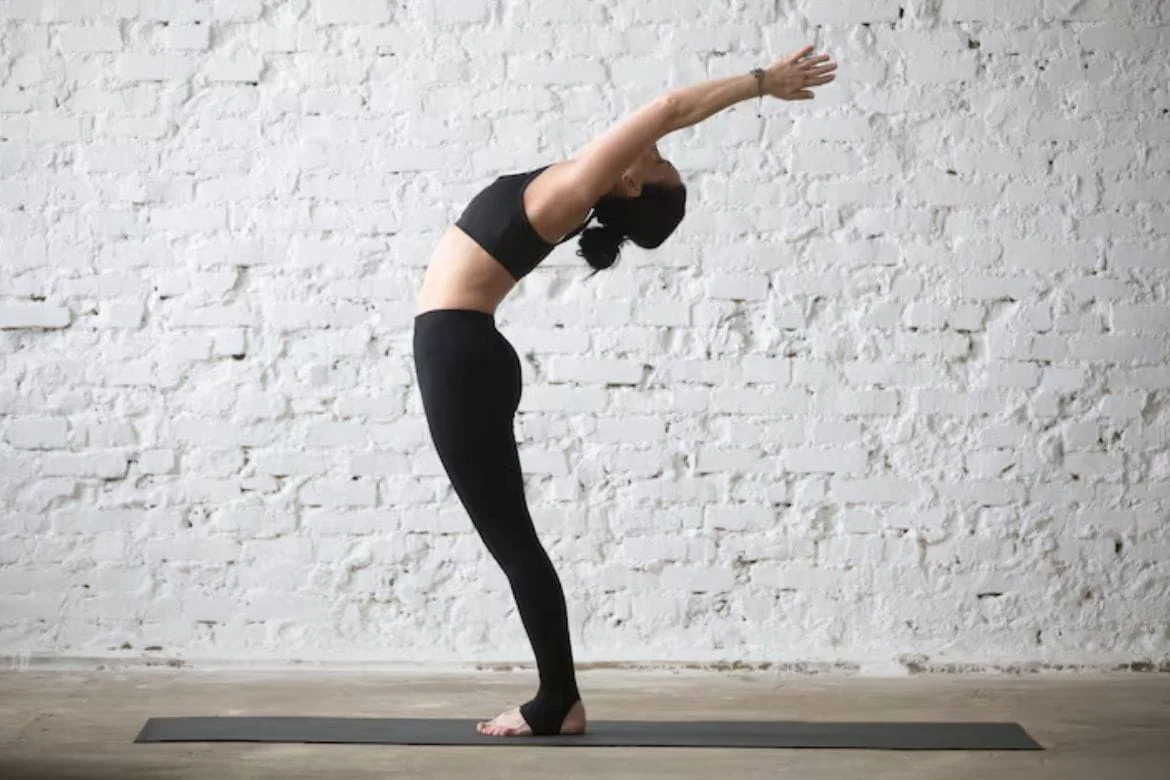
Yoga is an ancient practice that connects the body, mind, and breath. Among the many postures practiced in yoga, Hasta Uttanasana, also known as the Raised Arms Pose, plays an important role in improving flexibility, posture, and energy levels. This pose is commonly practiced as part of Surya Namaskar (Sun Salutation), a popular sequence that energizes the body and prepares it for deeper yoga practice.
Understanding the Benefits of Hasta Uttanasana can help yoga practitioners appreciate why this posture is included in many yoga routines. From strengthening the spine to improving breathing capacity, this pose provides numerous physical and mental advantages. Practicing it regularly can enhance overall well-being and support a healthier lifestyle.
What Is Hasta Uttanasana?
Hasta Uttanasana is a standing backbend posture where the arms are raised above the head while the upper body gently arches backward. The name comes from Sanskrit, where “Hasta” means hands, “Uttana” means stretched or extended, and “Asana” means posture.
This posture stretches the entire front body while activating the muscles of the back and core. Because it opens the chest and lungs, it is often used at the beginning of yoga sequences to energize the body and improve breathing.
When exploring the Benefits of Hasta Uttanasana, it becomes clear that this pose offers much more than a simple stretch. It activates multiple muscle groups, improves posture, and stimulates internal organs.
Physical Benefits of Hasta Uttanasana
1. Improves Spine Flexibility
One of the major Benefits of Hasta Uttanasana is that it increases the flexibility of the spine. Modern lifestyles often involve long hours of sitting, which can lead to stiffness in the back. Practicing this pose regularly helps stretch and strengthen the spinal muscles, improving mobility and reducing stiffness.
The gentle backbend encourages proper spinal alignment and can help maintain a healthy posture.
2. Strengthens the Back Muscles
Hasta Uttanasana engages the muscles of the upper and lower back. When performed correctly, it strengthens the spine-supporting muscles, which helps reduce the risk of back pain and injuries.
Stronger back muscles also help support everyday activities such as lifting, bending, and standing for long periods.
3. Expands the Chest and Lungs
Another important aspect of the Benefits of Hasta Uttanasana is improved breathing capacity. The pose opens the chest and expands the rib cage, allowing the lungs to take in more oxygen.
Deep breathing in this posture helps increase oxygen circulation throughout the body, which can improve energy levels and reduce fatigue.
4. Stretches the Shoulders and Arms
Many people experience tightness in the shoulders due to desk work or excessive screen time. Hasta Uttanasana provides a deep stretch for the shoulders, arms, and upper body.
Regular practice helps release tension from the shoulders and improves flexibility in the arms and upper back.
5. Improves Body Posture
Poor posture is a common issue caused by long hours of sitting or using electronic devices. One of the key Benefits of Hasta Uttanasana is that it helps correct posture by strengthening the back and opening the chest.
By practicing this pose regularly, the body gradually learns to maintain a more upright and balanced posture.
6. Stimulates the Digestive System
Hasta Uttanasana stretches the abdominal region and gently massages the internal organs. This stimulation can improve digestion and support better metabolism.
Practicing this pose along with breathing techniques can help regulate digestive functions and reduce issues like bloating and indigestion.
Mental and Emotional Benefits
The Benefits of Hasta Uttanasana are not limited to physical health. This pose also provides several mental and emotional advantages.
1. Reduces Stress and Anxiety
Yoga postures that involve deep breathing help calm the nervous system. Hasta Uttanasana encourages slow and controlled breathing, which helps reduce stress and anxiety.
Regular practice can create a sense of relaxation and mental clarity.
2. Improves Concentration
The posture requires balance, body awareness, and controlled breathing. These elements help improve concentration and mindfulness.
Practicing this pose regularly can enhance focus and mental discipline.
3. Boosts Energy Levels
Since this pose is often performed as part of the Sun Salutation sequence, it helps awaken the body and mind. The chest opening and deep breathing increase oxygen supply, which naturally boosts energy levels.
This is why many yoga practitioners perform Surya Namaskar in the morning.
Role of Hasta Uttanasana in Surya Namaskar
Hasta Uttanasana is the second posture in the sequence of Surya Namaskar. In this position, the body moves from a standing posture into a gentle backbend.
This movement serves several purposes:
-
It prepares the body for forward bends.
-
It warms up the spine.
-
It energizes the body for the rest of the yoga sequence.
Because it is practiced repeatedly in Surya Namaskar, the Benefits of Hasta Uttanasana gradually increase with regular practice.
How to Practice Hasta Uttanasana
Practicing the pose correctly is important to experience the full Benefits of Hasta Uttanasana.
Steps to Perform the Pose
-
Stand upright with your feet together and arms at your sides.
-
Inhale deeply and raise your arms above your head.
-
Keep your arms straight and palms facing each other.
-
Gently arch your back while pushing your hips slightly forward.
-
Look upward and keep your chest open.
-
Hold the posture for a few breaths.
-
Slowly return to the starting position.
While practicing, avoid excessive bending of the lower back. Focus on lengthening the spine rather than forcing a deep backbend.
Tips for Safe Practice
To maximize the Benefits of Hasta Uttanasana, keep these tips in mind:
-
Warm up your body before practicing backbends.
-
Engage your core muscles to support the spine.
-
Avoid pushing the neck too far backward.
-
Practice under the guidance of a qualified yoga instructor if you are a beginner.
If you experience discomfort or pain, gently come out of the pose and rest.
Who Should Avoid This Pose?
Although Hasta Uttanasana is generally safe, some individuals should practice with caution.
People with the following conditions should consult a yoga teacher or healthcare professional before practicing:
-
Severe back injuries
-
Hernia
-
High blood pressure
-
Vertigo or dizziness
Proper alignment and controlled breathing can help prevent strain or injury.
Integrating Hasta Uttanasana into Daily Practice
The Benefits of Hasta Uttanasana become more noticeable when the pose is practiced regularly. Even a few minutes of daily yoga practice can significantly improve flexibility and posture.
Many practitioners include this posture in morning yoga routines because it energizes the body and prepares it for the day ahead.
Combining Hasta Uttanasana with other yoga poses, breathing exercises, and meditation can create a balanced yoga practice that supports overall well-being.
Conclusion
The Benefits of Hasta Uttanasana make it one of the most valuable yoga poses for improving flexibility, posture, breathing, and mental clarity. This simple yet powerful posture stretches the entire front body while strengthening the back muscles and expanding the chest.
Regular practice of Hasta Uttanasana can help improve spinal flexibility, enhance breathing capacity, reduce stress, and boost energy levels. As part of the Sun Salutation sequence, it plays an important role in warming up the body and preparing it for deeper yoga practice.
Whether you are a beginner or an experienced practitioner, incorporating this pose into your yoga routine can support a healthier and more balanced lifestyle. By understanding and experiencing the Benefits of Hasta Uttanasana, you can deepen your yoga journey and enjoy greater physical vitality and mental peace.
Категории
Больше
In recent years, the global Flow Cytometry Market has undergone a transformative journey, fueled by evolving consumer demands, cutting-edge innovations, and an increasing focus on sustainability. Our comprehensive Flow Cytometry Market Research Report unveils key strategic insights, highlighting growth trends, market dynamics, competitive landscapes, and emerging opportunities....

Executive Summary Gene Therapy Market : The global gene therapy market size was valued at USD 10.26 billion in 2024 and is expected to reach USD 39.38 billion by 2032, at a CAGR of 18.30% during the forecast period This Gene Therapy Market research report is a proven and consistent source of information which gives telescopic view of the existing market...
Introduction to Cole Buxton Clothing Cole Buxton Clothing has become one of the most talked-about names in modern streetwear, and if you’ve been anywhere near Instagram, TikTok, or the evolving world of minimalist fashion, you’ve probably noticed its presence. What makes this brand stand out isn’t loud graphics, over-the-top logos, or trend-chasing collections. Instead, Cole...

You're Vin Diesel in xXx, leaping off a submarine onto a snowy peak, wind ripping at your guts, and there's that coat. Yeah, the Xander Cage fur coat. Not some fluffy parka from the mall—it's a beast, all shearling swagger screaming "I cheat death and look damn good doing it." What if your winter wardrobe could pull that off without the submarine subscription? I remember the first time I...

The online gaming and betting world has transformed tremendously, and the main difference between now and a decade ago is that players today want to have access without any confusion or complications. This is where a Diamond Exchange ID can assist. Players can use a single ID to bet on Sports and Exchange-based games. At diamond247official, our goal is to make it easy for our players to get...