


Live Flight Tracker – The Complete Guide to Plane Tracking in Real Time
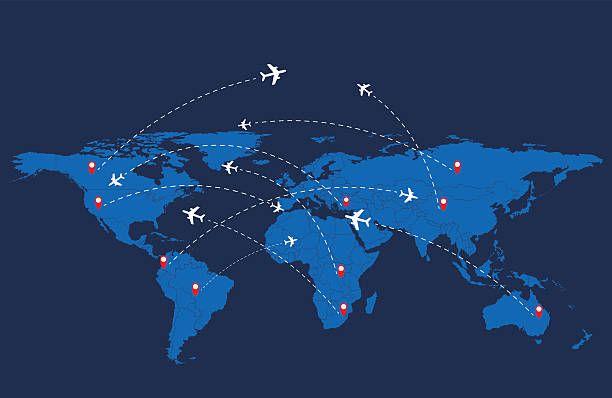
Modern aviation has become more transparent and accessible than ever before. With a live flight tracker, anyone can monitor aircraft movements across the globe in real time. Whether we are aviation enthusiasts, frequent travelers, journalists, or logistics professionals, plane tracking technology provides a powerful way to follow flights with unmatched accuracy.
In this comprehensive guide, we explore how live flight trackers work, the technologies behind them, and how we can use them to track aircraft anywhere in the world.
What Is a Live Flight Tracker?
A live flight tracker is an online system that allows users to track aircraft in real time. These systems display planes on an interactive map, showing essential flight information such as:
-
Aircraft position and altitude
-
Flight number and airline
-
Departure and arrival airports
-
Speed and heading
-
Estimated arrival time
-
Aircraft model and registration
Modern tracking platforms combine satellite data, radar systems, and aircraft transponders to present an accurate global map of air traffic.
Popular flight tracking services such as Flightradar24 and FlightAware collect and process aviation data from thousands of sources worldwide, delivering live updates to web browsers and mobile apps.
How Plane Tracking Technology Works
To understand how a plane tracker works, we must look at the underlying aviation technologies used to gather and transmit flight data.
ADS-B: The Core of Modern Flight Tracking
Most modern aircraft use a system called Automatic Dependent Surveillance–Broadcast, commonly known as ADS‑B.
This technology allows aircraft to broadcast their position using GPS data. The signal contains information such as:
-
Latitude and longitude
-
Altitude
-
Speed
-
Identification code
Ground receivers capture these signals and send them to centralized databases, where they are processed and displayed on flight tracking maps.
Radar Tracking Systems
Before ADS-B became widespread, aviation relied heavily on ground radar systems. Radar stations detect aircraft by sending radio waves and measuring their reflection.
While radar is still used today, it has limitations:
-
Coverage gaps in oceans and remote regions
-
Lower update frequency
-
Limited data compared with ADS-B
Modern trackers combine radar and ADS-B to produce a more complete view of global aviation traffic.
Satellite-Based Tracking
Satellite tracking expands flight visibility to areas where ground receivers cannot reach. This includes:
-
Oceanic routes
-
Polar regions
-
Remote deserts
Satellite ADS-B technology enables truly global real-time aircraft tracking, improving safety and operational awareness across international aviation.
Key Features of a Modern Live Flight Tracker
A high-quality plane tracker offers far more than a simple aircraft icon on a map. Today’s platforms provide a wide range of detailed aviation insights.
Real-Time Aircraft Position
The most important feature is accurate real-time positioning. Aircraft positions update every few seconds, showing exactly where a flight is at any moment.
This allows us to monitor:
-
Commercial airline flights
-
Private jets
-
Cargo aircraft
-
Helicopters
-
Military flights (when visible)
Detailed Flight Information
Each aircraft on the map contains a data panel with detailed flight information, including:
-
Airline name and flight number
-
Aircraft model
-
Departure airport
-
Destination airport
-
Estimated arrival time
-
Flight route
These details make flight trackers extremely useful for travel planning and airport pickups.
Historical Flight Playback
Many trackers allow users to rewind and replay previous flights. This feature helps analyze flight paths, investigate aviation events, or simply explore interesting routes around the world.
3D Flight Visualization
Some advanced trackers include 3D cockpit-style views, allowing users to follow aircraft from a pilot’s perspective. This immersive feature is especially popular among aviation enthusiasts.
Why People Use Live Plane Trackers
Live flight tracking has many practical uses across different industries and personal situations.
Airport Pickup and Travel Planning
One of the most common uses of a plane tracker is checking the exact arrival time of a flight. Instead of relying on scheduled times, we can see if a flight is delayed, early, or circling before landing.
This helps avoid long waits at airports.
Aviation Enthusiasts
Plane spotters and aviation fans use live trackers to identify aircraft flying overhead. By entering a flight number or selecting a plane on the map, they can discover:
-
Aircraft type
-
Airline operator
-
Flight route
-
Aircraft registration
Journalists and News Monitoring
During major events, journalists rely on flight tracking tools to monitor aircraft movements such as:
-
Government flights
-
Military aircraft
-
Emergency response aircraft
-
Evacuation operations
Real-time aviation data often becomes a critical source of information.
Cargo and Logistics Tracking
Cargo companies use flight trackers to monitor international freight movements. This allows logistics teams to anticipate delays and adjust supply chain planning.
How to Track a Flight in Real Time
Tracking a plane is extremely simple. Most platforms require only a few steps.
1. Enter the Flight Number
If we know the airline and flight number, we can search directly. The tracker instantly shows the aircraft’s current position and route.
Example searches might include:
-
Airline flight codes
-
Aircraft registration numbers
-
Airport routes
2. Explore the Global Map
Users can zoom into any region of the world to see all aircraft currently flying in that area. Major aviation hubs display hundreds of aircraft simultaneously.
3. Select an Aircraft
Clicking on any aircraft reveals detailed information about the flight, including its origin, destination, altitude, and speed.
Understanding Aircraft Data on a Flight Tracker
When viewing a plane tracker map, several data fields appear for each aircraft.
Altitude
Altitude indicates the aircraft’s height above sea level, typically measured in feet. Commercial airliners often cruise between 30,000 and 40,000 feet.
Ground Speed
Ground speed measures how fast the aircraft travels relative to the ground. Long-haul airliners usually cruise between 450 and 575 mph (720–925 km/h).
Heading
Heading shows the aircraft’s direction in degrees relative to north. This helps visualize the exact path the aircraft is following.
Vertical Speed
Vertical speed shows whether the aircraft is climbing or descending. This information is particularly useful when monitoring aircraft approaching airports.
Global Air Traffic: How Busy the Skies Are
At any given moment, thousands of aircraft are flying worldwide. Global aviation traffic varies depending on time zones and weather conditions.
Major aviation corridors include:
-
North America to Europe transatlantic routes
-
Europe to Asia intercontinental flights
-
Domestic flights across the United States and China
During peak hours, over 10,000 commercial aircraft may be in the air simultaneously.
Live flight trackers provide a fascinating view into this complex global transportation network.
Benefits of Real-Time Flight Tracking
Live aircraft tracking offers numerous advantages beyond curiosity or entertainment.
Improved Aviation Transparency
Public access to flight data improves transparency in aviation operations. Travelers can verify delays, route changes, and diversions independently.
Enhanced Safety Awareness
Emergency diversions or unusual flight patterns can be identified quickly. Aviation professionals often monitor trackers to analyze operational issues.
Better Travel Coordination
Families and transportation services benefit from accurate arrival predictions. Real-time tracking helps coordinate pickups and connections more efficiently.
Future of Live Flight Tracking Technology
Flight tracking technology continues to evolve rapidly. The next generation of aviation monitoring systems will include:
-
Global satellite ADS-B coverage
-
AI-powered flight predictions
-
Higher update frequencies
-
Improved aircraft identification
As these technologies develop, live trackers will become even more accurate, offering a complete global view of air traffic in real time.
Conclusion
A live flight tracker is one of the most powerful tools available for monitoring modern aviation. By combining ADS-B signals, radar networks, and satellite data, these platforms allow us to follow aircraft anywhere in the world with remarkable precision.
From travelers checking flight arrivals to aviation enthusiasts exploring global air traffic, plane tracking technology provides unprecedented access to real-time aviation data. As aircraft tracking systems continue to evolve, they will deliver even greater transparency, safety insights, and global connectivity for the aviation community.
Categorie
Leggi tutto
Stussy Hoodie: A Simple Guide to the Famous Stussy Streetwear Brand If you love street fashion, then you have probably heard about stussy. It is one of the most popular clothing brands in the world. Many people like it because of its stylish designs, comfortable clothes, and high-quality materials. Whether you are a student, a fashion lover, or someone who likes casual outfits, stussy has...

"Wound Care Biologics Market Summary: According to the latest report published by Data Bridge Market Research, the Wound Care Biologics Market The global wound care biologics market size was valued at USD 2.67 billion in 2025 and is expected to reach USD 3.61 billion by 2033, at a CAGR of 3.80% during the forecast period The Wound Care Biologics...

"According to the latest report published by Data Bridge Market Research, the Middle East and Africa Yeast Market Data Bridge Market Research analyses that the yeast market was valued at USD 158.32 million is expected to reach the value of USD 263.99 million by 2029, at a CAGR of 6.6% during the forecast period. Middle East and Africa Yeast Marketing report makes available...
NET88 is rapidly emerging as one of the most trusted and reliable online betting platforms in the world. Known for offering high-quality products and services, NET88 has quickly captured the attention of both gaming enthusiasts and industry experts. Despite being relatively new to the Vietnamese market, the platform has already garnered high praise for its...
The Power Grid Market Share is expanding steadily as countries worldwide focus on modernizing their electricity networks and integrating renewable energy sources. As Per Market Research Future, power grids are critical infrastructure systems that transmit and distribute electricity from generation sources to consumers reliably and efficiently. The increasing global energy demand, coupled with...
