CNC Tool Innovations Transforming Modern Manufacturing
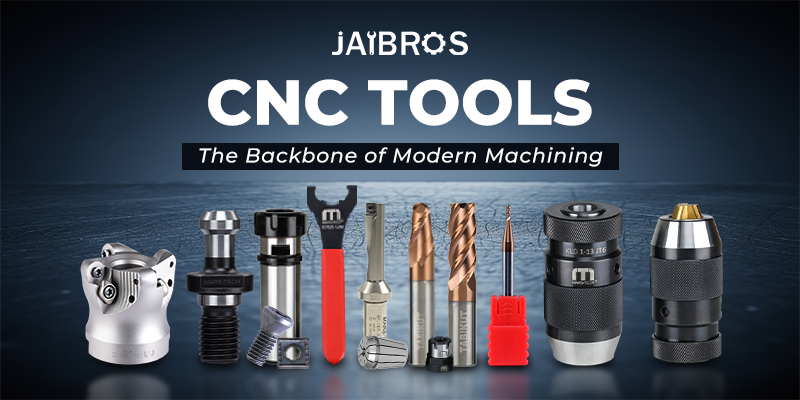
Discover how CNC tool innovations are improving precision, speed, and efficiency in modern manufacturing. Learn about types, benefits, and the best CNC tools.
How Advanced CNC Tools Are Revolutionising Modern Manufacturing
Manufacturing has evolved rapidly in the last few decades, largely due to advancements in automation and precision machining. One of the most important contributors to this transformation is the development of CNC tools. These tools are at the heart of computer numerical control (CNC) machines and play a crucial role in shaping raw materials into accurate, high-quality components used across many industries.
Modern industries such as automotive, aerospace, medical device manufacturing, and heavy engineering rely on CNC machining for efficiency and consistency. As technology continues to evolve, tool manufacturers are constantly introducing innovative solutions that improve machining accuracy, reduce production time, and enhance tool durability.
In this blog, we will explore how innovations in cutting tools are transforming manufacturing processes, improving productivity, and helping businesses remain competitive in the global market.
Understanding CNC Machining and Its Importance
CNC machining refers to a manufacturing process in which computers control machine tools such as lathes, mills, routers, and grinders. The machine follows programmed instructions to cut, shape, and finish materials with high precision.
At the center of this process are CNC tools, which perform the actual cutting and shaping of materials. These tools must be extremely strong, heat resistant, and precisely designed to handle various machining operations.
Without reliable cutting tools, even the most advanced CNC machines cannot achieve accurate results. That is why continuous innovation in tooling technology plays such a vital role in modern manufacturing.
Types of CNC Machines Used in Manufacturing
Different manufacturing processes require different machines and tooling systems. Understanding the types of CNC machines used in modern workshops highlights the importance of tool compatibility and innovation.
CNC Milling Machines
CNC milling machines use rotating cutting tools to remove material from a workpiece. They are widely used for creating complex shapes, slots, and surfaces.
CNC Lathes
CNC lathes rotate the workpiece while the cutting tool removes material. These machines are ideal for producing cylindrical parts such as shafts, bolts, and bushings.
CNC Drilling Machines
These machines specialize in creating accurate holes in metal or other materials. Drilling operations require specialized cutting tools designed for high precision.
CNC Grinding Machines
Grinding machines use abrasive wheels to achieve extremely fine finishes and tight tolerances.
Each of these machines relies on carefully engineered tooling systems to achieve accurate and consistent results.
How Tool Innovation Improves Manufacturing Efficiency
The development of advanced materials and engineering techniques has significantly improved tool performance. Today’s CNC tools are designed to withstand high temperatures, resist wear, and maintain cutting accuracy over extended production cycles.
These improvements provide several benefits for manufacturers.
Increased Tool Life
New carbide grades and coating technologies allow cutting tools to last longer. This reduces the frequency of tool changes and lowers overall production costs.
Higher Cutting Speeds
Innovative tool designs allow machines to operate at faster speeds while maintaining accuracy and surface quality.
Improved Surface Finish
Modern cutting geometries help produce smoother surfaces, reducing the need for additional finishing operations.
Reduced Machine Downtime
Durable tools minimize unexpected failures, allowing production lines to run more efficiently.
Because of these advantages, manufacturers are constantly searching for the best CNC tools that can handle demanding machining tasks.
Advanced Materials Used in Modern Cutting Tools
The materials used to manufacture cutting tools have improved significantly over the years. Traditional high-speed steel tools are still used in some applications, but advanced materials now dominate the industry.
Carbide Tools
Carbide tools are extremely hard and heat-resistant. They allow higher cutting speeds and provide longer tool life.
Ceramic Tools
Ceramic tools are often used for high-speed machining of hardened metals and cast iron.
Coated Tools
Many cutting tools are coated with materials such as titanium nitride (TiN) or titanium aluminium nitride (TiAlN). These coatings improve wear resistance and heat tolerance.
These innovations have made CNC tools more reliable and capable of handling complex machining operations.
Smart Tooling Technology in Modern Manufacturing
One of the most exciting developments in the machining industry is the introduction of smart tooling systems. These systems integrate digital technology with traditional cutting tools.
Smart tools can monitor various machining parameters, including temperature, vibration, and cutting forces. This information helps operators detect potential issues before they cause machine damage or production delays.
Some benefits of smart tooling include:
-
Real-time performance monitoring
-
Improved tool life prediction
-
Reduced material waste
-
Higher production efficiency
As factories move toward Industry 4.0, intelligent CNC tools are expected to play an even larger role in automated manufacturing systems.
Accessibility and Online Tool Purchasing
In the past, machining shops relied on local distributors to purchase cutting tools. Today, the internet has made it easier for manufacturers to find and compare tooling solutions.
Many suppliers now offer CNC tools online, allowing machinists to browse product catalogs, compare specifications, and place orders quickly. Online purchasing also allows businesses to access a wider variety of products that may not be available locally.
Additionally, many manufacturers still search for CNC tools near me when they need fast delivery or immediate replacements for urgent machining jobs. Having both online and local supply options helps ensure uninterrupted production.
Importance of Choosing the Right Cutting Tool
Selecting the right cutting tool is critical for achieving optimal machining results. The wrong tool can lead to poor surface finish, reduced tool life, and increased production costs.
Factors to consider when selecting machining tools include:
Workpiece Material
Different materials require specific cutting tool grades and coatings.
Cutting Speed and Feed Rate
Higher speeds require tools capable of handling increased heat and pressure.
Depth of Cut
Heavy machining operations require stronger cutting edges.
Tool Geometry
The shape and angle of the cutting edge affect chip removal and surface finish.
Choosing the best CNC tools for each application ensures efficient machining and consistent product quality.
Role of Automation in Tool Innovation
Automation is transforming manufacturing facilities worldwide. Automated CNC machines can operate continuously with minimal human intervention, significantly increasing production capacity.
However, automated systems require extremely reliable cutting tools. Any unexpected tool failure can halt the entire production process.
To support automated manufacturing, tool manufacturers are developing CNC tools with improved durability, advanced coatings, and optimized geometries. These innovations help maintain consistent performance even in high-volume production environments.
Future Trends in CNC Tool Development
The future of machining tools will likely include even more advanced technologies designed to improve manufacturing efficiency.
Some expected trends include:
-
AI-powered tool monitoring systems
-
Improved nano-coating technologies
-
High-performance carbide grades
-
Lightweight and high-strength tool holders
-
Advanced chip control geometries
These developments will continue to push the boundaries of precision manufacturing.
As industries demand faster production and tighter tolerances, cutting tool innovation will remain a key driver of technological progress.
Conclusion
Innovations in machining technology are transforming how modern manufacturing operates. From advanced materials and coatings to smart monitoring systems, cutting tools have become more efficient, durable, and precise than ever before.
These advancements allow manufacturers to produce complex components with exceptional accuracy while reducing costs and improving productivity. Reliable CNC tools are therefore essential for maintaining consistent performance in modern machining environments.
About Jaibros
Jaibros is a trusted supplier of high-quality industrial tooling solutions. The company offers a wide range of cutting tools, inserts, and machining accessories designed to support modern manufacturing processes. By providing reliable tooling products and excellent customer support, Jaibros helps businesses find the right solutions to improve machining efficiency and productivity.
FAQs
What are CNC tools used for?
CNC tools are used in computer-controlled machines to cut, shape, and finish materials such as metal, plastic, and composites with high precision.
How do I choose the best CNC tools for machining?
The best tool depends on the workpiece material, cutting speed, feed rate, and machining operation. Selecting the correct tool geometry and coating is also important.
Can I purchase CNC tools online?
Yes, many industrial suppliers now offer CNC tools online, allowing machinists to easily compare products and order them directly from digital catalogs.
Why are carbide tools popular in CNC machining?
Carbide tools are extremely durable, heat resistant, and capable of maintaining sharp cutting edges during high-speed machining.
Where can I find CNC tools near me?
Local industrial tool suppliers and machining equipment distributors often stock a variety of cutting tools for immediate purchase and support.
Категории
Больше
According to the latest report published by Data Bridge Market Research, the Pollen Allergies Market Data Bridge Market Research analyses that the global pollen allergies market which was USD 5,850.84 million in 2022, would rocket up to USD 8,828.63 million by 2030 and is expected to undergo a CAGR of 4.2% during the forecast period. “Instruments” dominates the product...

The growth of digital entertainment and online sports platforms has completely transformed how users interact with online services. Introduction The growth of digital entertainment and online sports platforms has completely transformed how users interact with online services. Modern audiences now expect fast, smooth, and flexible experiences regardless of the device they use. Whether accessing...

"Latest Insights on Executive Summary Television Broadcasting Services Market Share and Size CAGR Value The television broadcasting services market is expected to witness market growth at a rate of 8.1% in the forecast period of 2022 to 2029 This Television Broadcasting Services Market research report is an absolute overview of the market that spans various aspects such as product...
NEW88 đăng nhập đang trở thành lựa chọn hàng đầu trong lĩnh vực cá cược trực tuyến nhờ sự uy tín, minh bạch và trải nghiệm người dùng vượt trội. Với hơn 20 triệu thành viên đang tham gia, nền tảng này không chỉ mang lại sự giải trí hấp dẫn mà còn tạo dựng niềm tin mạnh mẽ trong cộng đồng người...
As the spooky season approaches, a chilling atmosphere takes hold once more with the return of the Dark Arts at Warner Bros. Studio Tour London. Prepare to step into a world where darkness reigns and sinister forces are awakening. This Halloween, the tour promises an experience filled with eerie surprises and dark enchantments, focusing on the enigmatic followers of the dark wizard...