


Electrosurgical Bipolar Monopolar Diathermy Electrodes Guide
Understanding Electrosurgical Fundamentals
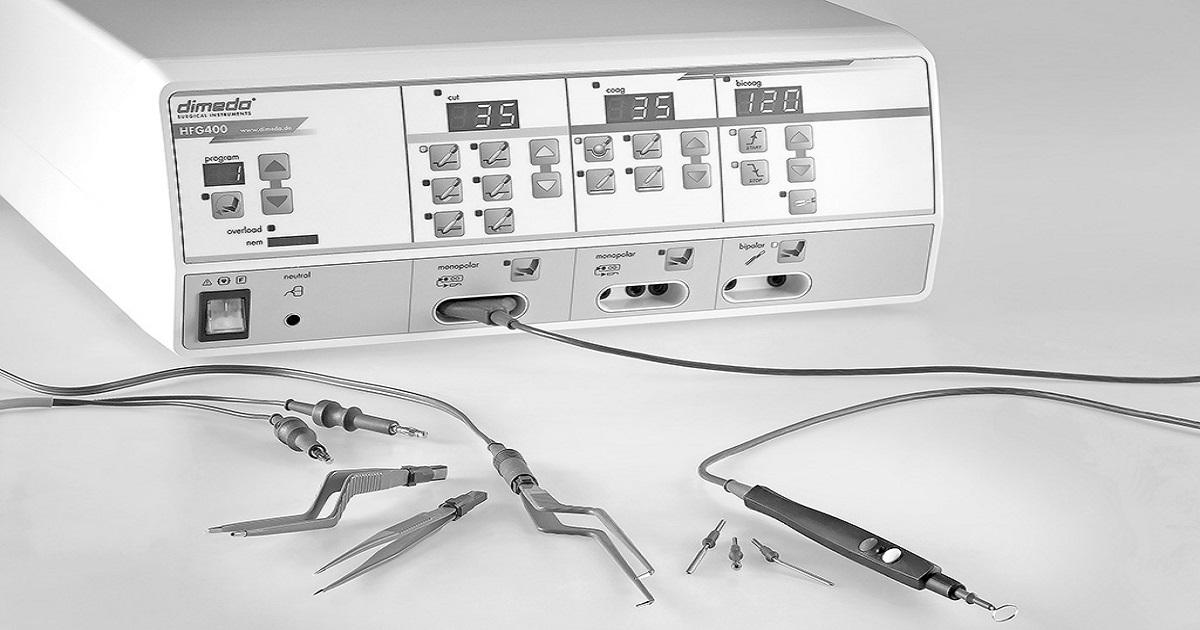
Electrosurgical technology harnesses high-frequency current for tissue effects without mechanical force. It powers procedures from laparoscopy to dermatology. Bipolar and monopolar modes offer versatility, while diathermy provides controlled heating by using high quality Electrosurgical Instruments. Mastering these elevates surgical outcomes significantly.
How Electrosurgical Systems Work
Generators convert AC to RF energy, delivered via electrodes. Tissue resistance generates heat for cutting or coagulation. Safety features like auto-stop prevent overruns.
Bipolar Electrosurgical Precision
Bipolar electrosurgical confines energy between forceps tips, ideal for delicate areas. Current flows locally, minimizing lateral spread. It excels in neurosurgery and vascular work. Tissue grasping combines with sealing seamlessly.
Advantages of Bipolar Over Other Modes
Reduced neuromuscular stimulation suits patients with pacemakers. Lower voltage needs to enhance safety near vital structures. Bipolar electrosurgical preserves surrounding tissues effectively.
Common Bipolar Electrodes Applications
Needle electrodes dissect fine vessels, while broad pads coagulate surfaces. Irrigation-integrated tips clear smoke during use. Versatile for endoscopy and robotics.
Monopolar Electrosurgical Versatility
Monopolar electrosurgical uses active and return electrodes for broader energy fields. It delivers powerful cutting through thick tissues. Ground pads complete the circuit safely. This mode dominates general surgery volumes.
Monopolar Electrode Types
Blade electrodes slice cleanly, ball tips spray coagulate diffusely. Loop electrodes excise lesions precisely. Disposable designs ensure sterility.
Safety Considerations in Monopolar Use
Pad site burns demand gel application and monitoring. Capacitive coupling risks alternate site injuries. Proper settings mitigate alternate pathway issues.
Diathermy Techniques in Electrosurgery
Diathermy heats tissues therapeutically or destructively via electrosurgical delivery. Blend modes cut while coagulating simultaneously. Pure cut settings vaporize cleanly. Adjustable waveforms optimize effects per tissue.
Cutting vs Coagulation Waveforms
Continuous sine waves cut via vaporization, modulated bursts coagulate by desiccation. Duty cycles control desiccation depth. Diathermy versatility suits diverse specialties.
Diathermy Electrodes Selection Guide
Teflon-coated electrodes reduce sticking, and tungsten enhances durability. Reusable autoclavable options cut costs long-term. Size matches incision requirements.
Electrode Maintenance and Safety Protocols
Inspect electrosurgical electrodes pre-use for insulation integrity. Clean insulators meticulously post-procedure. Store in dry, protective sheaths. Compliance prevents costly failures intraoperatively.
Sterilization Best Practices
Plasma sterilization suits heat-sensitive monopolar and bipolar electrosurgical electrodes. Ethylene oxide penetrates complex designs. Validation strips confirm efficacy.
Troubleshooting Common Issues
Arcing signals poor contact, clean or replace. Excessive smoke indicates high power—adjust settings. Generator alarms demand immediate electrode checks.
Choosing the Right Electrosurgical System
Match generator wattage to procedure demand: 300W for general, 100W for precision. Versatility across bipolar monopolar modes saves space. User interfaces simplify waveform selection. Invest in service contracts for reliability.
Generator Features to Prioritize
Touchscreen controls speed setup, footswitch options, and free hands. Smoke evacuation integration clears fields. Data logging supports quality audits.
Cost vs Performance Analysis
Entry-level units suffice for ambulatory centers, and advanced units serve hospitals. Disposable electrodes balance infection control with budgets. Lifecycle ROI favors durable systems.
Innovations in Electrosurgical Technology
Pulsed energy algorithms reduce thermal spread. Vessel sealing systems auto-detect completion. Robotic-compatible electrodes enable minimally invasive advances. AI monitors tissue impedance in real-time.
Advanced Bipolar Sealing Devices
Feedback-controlled bipolar electrosurgical fuses vessels up to 7mm permanently. Reduced blood loss transforms major cases. Integrated cutters trim sealed tissue.
Future Trends in Diathermy Electrodes
Nanocoated surfaces prevent eschar buildup. Wireless energy transmission eliminates cables. Biodegradable electrodes promise postoperative dissolution.
Conclusion
Electrosurgical bipolar monopolar diathermy and electrodes define modern precision. Equip your OR with these tools for safer, faster procedures. Advance patient care today.
FAQs
Q1: What distinguishes bipolar electrosurgical?
A: Bipolar confines energy between tips for precise, low-risk coagulation in delicate tissues.
Q2: When to use monopolar electrosurgery?
A: Monopolar excels in cutting thick tissues via active-return electrode configuration.
Q3: How does diathermy function in electrosurgery?
A: Diathermy delivers controlled heat via waveforms for cutting, coagulation, or blending.
Q4: What types of electrosurgical electrodes exist?
A: Blades cut, balls coagulate, needles dissect coatings enhance performance and safety.
Q5: Why maintain electrosurgical electrodes?
A: Proper care prevents arcing, ensures sterility, and extends tool longevity.

Κατηγορίες
Διαβάζω περισσότερα
Have you ever noticed how some watches feel… alive? Like they aren’t just telling time, they’re holding a story, a rhythm, a lifestyle? That’s Tag Heuer Watches for you. You put one on your wrist, and it’s cold at first, then weirdly warm, and suddenly it’s part of your day. Swiss brands everywhere. But there’s something about Tag Heuer. Something...
The universe of Harry Potter keeps growing within Monopoly GO, offering fans a variety of themed items to enjoy. Among these are distinctive tokens like the Hagrid figure and the Hufflepuff dice skin, which add to the immersive experience. A particularly popular new addition is the Hermione Granger token, representing the beloved character’s cleverness, bravery, and unwavering loyalty....

Creating a welcoming outdoor space requires more than just throwing down a few chairs and setting up a grill. With the right mix of Leisure Outdoor Furniture and high-performance BBQ grills, your backyard can become an extension of your home, offering both comfort and convenience for you and your guests. When choosing Leisure Outdoor Furniture, consider both style and durability. Materials...

New York, 16 Dec 2025 The Insight Partners is proud to announce its newest market report, Cognitive Electronic Warfare System Market: An In-depth Analysis of the Market. The report provides a holistic view of the Cognitive Electronic Warfare System Market and describes the current scenario as well as growth estimates during the forecast period. Overview of the Cognitive Electronic Warfare...

A new growth forecast report titled Train Seat Market Share, Size, Trends, Industry Analysis Report, By Train Type (Regional/Intercity, High Speed, Metro, Light, and Others); By Product; By Railcar Type; By Region; Segment Forecast, 2023 – 2032 introduced by Polaris Market Research represents conclusive data on the overall market. It majorly targets to provide a detailed...
