Global Radiant Cooling Systems Market Outlook 2034: Energy-Efficient HVAC Technologies Driving Growth from USD 2.0 Billion in 2023 to USD 3.3 Billion by 2034
The global radiant cooling systems market is gaining steady momentum as the construction industry increasingly adopts energy-efficient HVAC solutions. Radiant cooling technology is emerging as a preferred alternative to traditional air-conditioning systems due to its ability to deliver improved indoor comfort, better air quality, and reduced energy consumption.
According to industry estimates, the global radiant cooling systems market was valued at US$ 2.0 billion in 2023 and is projected to expand at a compound annual growth rate (CAGR) of 4.5% from 2024 to 2034. By the end of the forecast period, the market is expected to reach US$ 3.3 billion, reflecting rising adoption in residential, commercial, and industrial buildings.
The growing emphasis on sustainable building infrastructure, coupled with rapid urbanization and technological innovation, is expected to shape the future of the radiant cooling systems industry.
Introduction to Radiant Cooling Systems
Radiant cooling systems represent an advanced form of HVAC technology designed to provide thermal comfort by cooling building surfaces instead of directly cooling the air. These systems typically circulate cool water or other fluids through pipes embedded in structural components such as ceilings, floors, or walls. Heat from occupants and interior spaces is absorbed through these surfaces, creating a comfortable indoor environment.
Unlike conventional air-conditioning systems, radiant cooling solutions operate quietly and provide uniform temperature distribution throughout a space. The technology also reduces air circulation, which minimizes the spread of dust and allergens.
As demand for sustainable building technologies increases globally, radiant cooling systems are becoming an attractive option for architects, engineers, and property developers seeking energy-efficient solutions that improve occupant comfort while lowering operating costs.
Analysts’ Viewpoint
Industry analysts highlight that energy efficiency and sustainability trends are among the most significant drivers of the radiant cooling systems market. Buildings account for a large portion of global energy consumption, and governments worldwide are introducing regulations to improve energy performance standards.
Radiant cooling systems consume less energy than traditional HVAC technologies because they cool surfaces directly rather than conditioning large volumes of air. This efficiency results in lower electricity consumption and reduced greenhouse gas emissions.
In addition, rapid urbanization in emerging economies is fueling new construction projects where energy-efficient cooling solutions are increasingly integrated into building designs.
Technological innovation is also playing a major role in market expansion. Smart control systems, IoT connectivity, and advanced sensors are enabling real-time monitoring and optimization of radiant cooling performance. These features improve system efficiency while enhancing user experience.
Market participants are focusing on strategic initiatives such as product launches, partnerships, and geographic expansion to strengthen their competitive positions.
Growing Demand for Improved Indoor Comfort and Air Quality
One of the key factors driving the radiant cooling systems market is the rising demand for healthier indoor environments. Building occupants are becoming more aware of the impact of indoor air quality on health, productivity, and overall well-being.
Traditional HVAC systems rely heavily on air circulation, which can spread dust, allergens, and other airborne particles. Radiant cooling systems, on the other hand, operate with minimal air movement, significantly reducing airborne contaminants.
These systems also provide uniform temperature distribution, eliminating the drafts and uneven cooling commonly associated with conventional air-conditioning systems. As a result, occupants experience enhanced comfort and a more stable indoor climate.
In commercial settings such as offices, hospitals, and educational institutions, improved indoor comfort can contribute to higher productivity and better health outcomes. This growing awareness is encouraging building owners to adopt radiant cooling solutions.
Energy Efficiency and Sustainability Trends Accelerating Adoption
Global sustainability initiatives are significantly influencing the growth of the radiant cooling systems market. Governments and regulatory bodies are implementing stricter energy efficiency standards for buildings, encouraging the adoption of advanced cooling technologies.
Radiant cooling systems offer several sustainability benefits:
- Lower energy consumption compared to traditional HVAC systems
- Reduced carbon emissions
- Improved energy performance ratings for buildings
- Compatibility with renewable energy sources such as geothermal systems
As organizations prioritize environmental responsibility, many construction projects now incorporate radiant cooling technologies as part of green building strategies. These systems align well with sustainability certifications and energy-efficient building frameworks.
Furthermore, businesses and homeowners are increasingly looking for cost-effective cooling solutions that reduce long-term operational expenses. Radiant cooling systems help achieve this by lowering electricity usage while maintaining high comfort levels.
Radiant Cooling Panels Leading Market Demand
Among various product types, radiant cooling panels accounted for the largest share of the global market in 2023. These panels are widely used because they offer several advantages over other radiant cooling technologies.
Radiant cooling panels are typically installed in ceilings, walls, or floors and are designed to deliver efficient temperature control. Their popularity stems from the following factors:
- Easier installation compared to thermally activated building systems (TABS)
- Lower upfront costs
- Shorter installation timelines
- Flexibility for both new construction and renovation projects
Architects and engineers often prefer radiant cooling panels because they provide effective cooling without compromising building aesthetics. Their simplicity and performance make them a practical choice for projects seeking energy-efficient climate control solutions.
Regional Outlook: Asia Pacific Leading the Market
Asia Pacific dominated the global radiant cooling systems market in 2023, driven by strong economic growth and rapid urban development across the region.
Countries such as China, Japan, and India are witnessing significant expansion in residential and commercial construction. As urban populations grow, the demand for efficient cooling technologies continues to increase.
Governments in the region are actively promoting energy-efficient infrastructure through regulations, incentives, and sustainability programs. These initiatives encourage the adoption of innovative HVAC solutions, including radiant cooling systems.
Another important factor driving regional demand is rising awareness of indoor air quality and occupant comfort. Building developers and facility managers are exploring advanced cooling technologies that address the limitations of traditional air-conditioning systems.
As a result, Asia Pacific is expected to remain a key growth hub for the radiant cooling systems industry throughout the forecast period.
Competitive Landscape of the Radiant Cooling Systems Market
The global radiant cooling systems market features a mix of international manufacturers and regional players focusing on innovation and strategic expansion.
Leading companies are investing heavily in research and development to improve system performance, efficiency, and ease of installation. They are also expanding their product portfolios to cater to a wide range of building applications.
Some of the key companies operating in the market include:
- BEKA
- Comfort Systems USA, Inc.
- Giacomini S.P.A.
- Jardine Engineering Corporation (JEC)
- Messana Inc.
- MrPEX Systems
- Oorja Energy Engineering Service Pvt Ltd
- PillarPlus Inc.
- REHAU
- SusPower L.L.C.
These companies are adopting strategies such as partnerships, acquisitions, and global expansion to strengthen their market presence.
Recent Industry Developments
Recent technological innovations highlight the evolving nature of the radiant cooling systems market.
In October 2024, Giacomini participated in the Indowater exhibition in Indonesia and introduced its radiant ceiling cooling technology (KS60Y120) to the local market. The solution attracted strong interest due to its ability to improve energy efficiency and indoor comfort.
Earlier, in September 2024, the company introduced its Spider system, designed to address thermal inertia challenges in radiant heating and cooling. The system reduces installation thickness while improving responsiveness and efficiency.
Such innovations demonstrate the growing focus on advanced cooling technologies that enhance energy efficiency while improving building performance.
Future Outlook
The global radiant cooling systems market is expected to experience steady growth through 2034 as sustainability and energy efficiency become central priorities in the construction sector.
Key factors likely to shape market growth include:
- Increasing adoption of green building technologies
- Rising urbanization in emerging economies
- Integration of smart building technologies and IoT
- Growing awareness of indoor air quality and occupant comfort
- Supportive government policies promoting energy efficiency
As the demand for environmentally responsible building solutions continues to rise, radiant cooling systems are set to play an increasingly important role in modern HVAC infrastructure.
With continued technological innovation and expanding applications across residential, commercial, and industrial sectors, the radiant cooling systems market is poised for significant long-term growth.
Nach Verein filtern
Read More
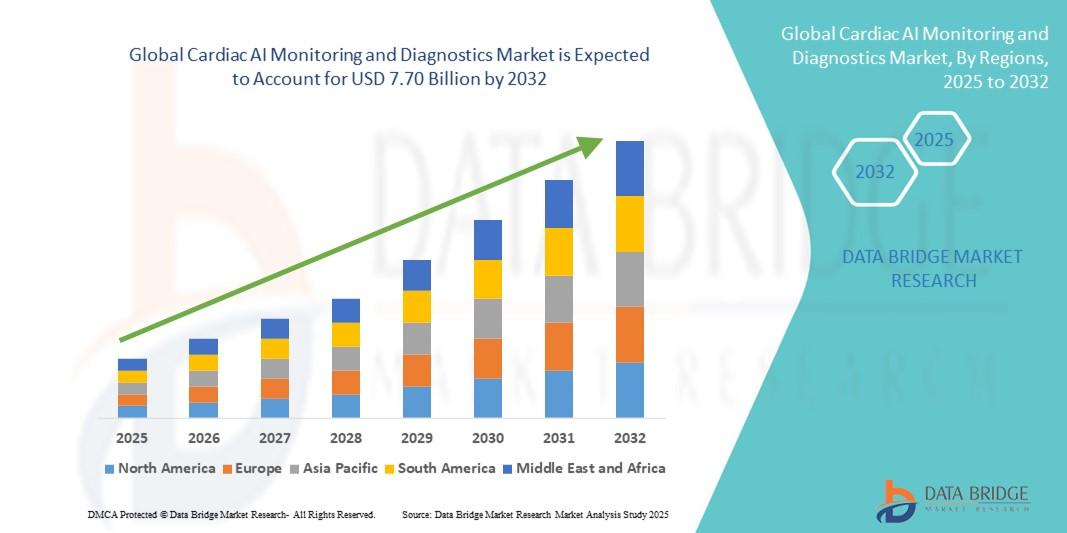
"Global Demand Outlook for Executive Summary Cardiac AI Monitoring and Diagnostics Market Size and Share The global cardiac AI monitoring and diagnostics market size was valued at USD 1.49 billion in 2024 and is expected to reach USD 7.70 billion by 2032, at a CAGR of 22.8% during the forecast period Global Cardiac AI Monitoring and Diagnostics Market...
Polaris Market Research has published a brand-new report titled Solar Control Window Films Market Share, Size, Trends & Industry Analysis Report By Type (Clear, Dyed, Vacuum Coated); By Application (Automotive, Construction); By Region; Segment Forecast, 2025 - 2034 that includes extensive information and analysis of the industry dynamics. The opportunities and challenges in the...

Boost your GAQM ISO-CLA-22 exam preparation with DumpsHero’s expert-crafted study guides and practice materials. Study smarter, build confidence, and pass with ease. Prepare Smarter for the GAQM ISO-CLA-22 Exam with DumpsHero – Your Trusted Study Companion Mastering the GAQM ISO-CLA-22 exam dumps the right blend of knowledge, practice, and confidence. DumpsHero gives IT...

Laser247 app has been positioned as a reliable platform that is focused on the exact requirements of players. With its smooth interface, an easy login procedure, and excellent performance across different devices The app provides users the ability to use their devices without hassle gaming services. What is the Laser247 App? The Laser247 app is a mobile-friendly application that provides users...

現代では、個人でも気軽に情報発信や交流ができる時代となりました。その中でも注目されているのが、ライブ配信です。特に、コストを気にせず始められる「ライブ配信無料」は、多くのユーザーにとって魅力的な選択肢となっています。yycamproでは、この「ライブ配信無料」のサービスを提供しており、初心者でもすぐに配信をスタートできます。 ライブ配信無料の最大のメリットは、初期費用がかからないことです。通常、配信サービスを利用するには月額料金や機材費用が必要になることがあります。しかしyycamproなら、スマートフォンやパソコンがあればすぐに配信可能で、特別な費用は不要です。これにより、学生や副業として配信を始めたい人でも安心して利用できます。...