Edge Finder Tool Tips for Professional Machinists
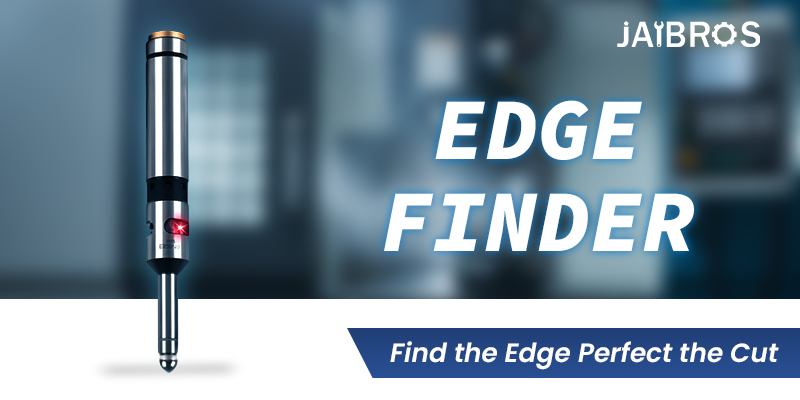
Discover expert tips for using an Edge Finder Tool to improve machining accuracy, setup speed, and precision in CNC and VMC operations.
Professional Machinist Tips for Using an Edge Finder Tool Effectively
Precision is the backbone of modern machining. Whether you are operating a manual milling machine or an advanced CNC setup, accurately locating the edge of a workpiece is one of the most important steps before machining begins. Even a small positioning error can lead to inaccurate cuts, wasted material, and production delays. That is why machinists rely on tools designed specifically for edge detection.
Among these tools, the Edge Finder Tool plays a critical role in helping machinists establish the correct reference point for machining operations. While beginners use it to learn the basics of machine setup, professional machinists use advanced techniques to achieve faster setups and higher accuracy. In this guide, we will explore practical tips and strategies that professionals follow when using an edge finder in machining operations.
Understanding the Role of Edge Finding in Machining
Before any cutting operation begins, machinists must determine the exact position of the workpiece. The reference point or “zero point” allows the machine to follow programmed coordinates accurately. If this reference point is incorrect, every subsequent machining operation will also be inaccurate.
This is where the Edge Finder Tool becomes essential. It allows machinists to detect the precise edge of the workpiece and align the machine accordingly. Professional machinists rely on this method to ensure that milling, drilling, or slotting operations begin at the correct position.
Accurate edge finding not only improves machining precision but also reduces setup time and prevents costly mistakes in production.
Why Professional Machinists Still Use Edge Finders
Modern machining centers include advanced probing systems and automation technologies. However, many professionals still rely on traditional edge finders because they are simple, reliable, and extremely precise when used correctly.
The Edge Finder Tool remains popular for several reasons. First, it is easy to use and does not require complicated programming or calibration. Second, it works well in both manual machines and CNC setups. Third, it provides immediate visual feedback when the probe contacts the material edge.
Because of these advantages, many experienced machinists keep this tool as a standard part of their machining setup.
Choosing the Right Edge Finder for the Job
Selecting the right edge finder is an important step in achieving accurate results. Machinists often choose between mechanical and electronic designs depending on the type of machining operation.
Mechanical models are the most common and work with a spring-loaded probe that shifts when it touches the workpiece. Electronic versions use sensors that activate a signal or light when contact occurs.
Regardless of the type, a high-quality Edge Finder Tool should be durable, properly balanced, and compatible with the machine spindle. Choosing the correct tool ensures reliable edge detection during machining.
Tip 1: Maintain Proper Spindle Speed
One of the most common mistakes in edge finding is using incorrect spindle speed. Professional machinists typically operate the spindle at a moderate speed when using an edge finder.
Running the spindle too fast can make it difficult to observe the probe movement, while running it too slow may not produce a clear shift when the tool touches the edge. Maintaining a balanced speed allows the machinist to clearly see the exact moment when the probe deflects.
This simple adjustment can significantly improve the accuracy of edge detection.
Tip 2: Approach the Workpiece Slowly
Precision machining requires patience and control. When locating an edge, professionals move the machine toward the workpiece very slowly. This careful approach prevents damage to the probe and ensures accurate contact detection.
Many machinists prefer to approach the workpiece using the fine feed controls of the cnc machine tool. This allows precise movement and reduces the risk of overshooting the edge position.
A controlled approach also helps protect the tool from unnecessary wear or damage.
Tip 3: Ensure Proper Workpiece Clamping
Before starting any machining operation, the workpiece must be securely clamped. Even a small movement during edge finding can affect accuracy and produce incorrect results.
Professional machinists always verify that the workpiece is firmly secured to the machine table or fixture. This step ensures that the detected edge position remains consistent during machining.
Stable clamping is particularly important when using finder tools in high-precision applications.
Tip 4: Keep the Tool Clean and Well Maintained
Like any precision instrument, edge finders require proper care and maintenance. Dirt, oil, or metal chips on the probe can affect its performance.
Experienced machinists clean their tools regularly and inspect them for signs of wear. Proper maintenance ensures that the Edge Finder Tool continues to provide accurate results over time.
Storing the tool in a protective case and avoiding accidental drops can also help extend its lifespan.
Tip 5: Use Edge Finding Techniques for Faster Setup
Efficiency is important in professional machining environments. Skilled machinists develop techniques that help them locate edges quickly while maintaining precision.
For example, many operators combine edge finding with digital readouts or machine coordinate displays. This allows them to immediately set the correct zero point after detecting the edge.
Using these techniques reduces setup time and improves overall workflow efficiency.
Tip 6: Use Edge Finder for VMC Setup
In modern machining workshops, an edge finder for vmc machines is commonly used to establish the workpiece origin before running CNC programs. Vertical machining centers require precise positioning to ensure accurate cutting paths.
When using finder tools in VMC setups, machinists insert the tool into the spindle and rotate it while moving toward the material edge. As soon as the probe shifts from its center position, the operator knows the exact location of the workpiece edge.
This process helps ensure precise alignment and accurate machining results.
Tip 7: Combine Edge Finding with Other CNC Tools
Professional machinists rarely rely on a single tool for setup. Instead, they combine multiple tools and techniques to achieve the best results.
For example, an edge finder may be used together with measurement instruments such as dial indicators or digital probes. This combination improves accuracy and helps verify machine alignment.
Using the right cnc tool for each setup step allows machinists to maintain consistent quality in production.
Common Mistakes to Avoid
Even experienced machinists can encounter issues during edge finding if proper procedures are not followed. Some common mistakes include approaching the edge too quickly, using incorrect spindle speed, or failing to secure the workpiece properly.
Another mistake is using a damaged or worn finder tools. A worn probe may not provide accurate readings, leading to incorrect machine positioning.
Avoiding these mistakes ensures that edge detection remains precise and reliable.
The Importance of Edge Finding in Precision Manufacturing
Precision manufacturing requires accurate setup procedures before any machining operation begins. Locating the exact position of the workpiece edge ensures that the machine operates according to the programmed coordinates.
The Edge Finder Tool plays a vital role in this process by helping machinists determine the correct reference point quickly and accurately.
Even with the advancement of automated measurement systems, traditional edge finding methods continue to be widely used because of their simplicity and reliability.
Conclusion
Accurate machine setup is essential for achieving high-quality machining results. By following professional techniques and maintaining proper tool handling practices, machinists can significantly improve the accuracy of their work.
The Edge Finder Tool remains one of the most valuable tools for detecting workpiece edges and setting precise machining coordinates. When used correctly alongside other machining tools and techniques, it helps professionals maintain efficiency, accuracy, and reliability in modern manufacturing environments.
FAQs
1. What is the main use of an edge finder in machining?
An edge finder is used to locate the exact edge of a workpiece so machinists can establish the correct reference point before machining begins.
2. What spindle speed should be used with an edge finder?
Most machinists operate the spindle between 500 and 1000 RPM to observe the probe movement clearly during edge detection.
3. Can edge finders be used on CNC machines?
Yes, edge finders are commonly used in both manual milling machines and CNC machine tool setups.
4. What is an edge finder for VMC used for?
It is used to detect the workpiece edge and establish the machining zero point before running CNC programs.
5. How do machinists maintain edge finders?
They keep the tool clean, store it properly, and inspect the probe regularly to ensure accurate performance.
Categorie
Leggi tutto
"Global Executive Summary North America Thermal Transfer Overprinter Market: Size, Share, and Forecast The North America thermal transfer overprinter market size was valued at USD 120.77 million in 2025 and is expected to reach USD 185.44 million by 2033, at a CAGR of 5.5% during the forecast period The global North America Thermal Transfer Overprinter Market...

Instant withdrawal casino - This guide highlights the fastest payout casinos currently available to UK players. These include well-known online casinos with proven track records and newer sites that prioritise quick cashouts over flashy features. If you’re tired of waiting for your own money, the list below is a good place to start. In recent years, the online gambling landscape has...

On October 25th, 2018, Netflix unveiled an exclusive teaser providing a glimpse into the highly anticipated third installment of the hit series Money Heist, known in Spain as La Casa de Papel. This sneak peek, set to the legendary tune "Bella Ciao," offers fans a first look at both familiar and new characters preparing for the upcoming season. The video showcases beloved cast members, such as...

The demand for trucks in Chakchaka has grown significantly as businesses across construction, agriculture, logistics, and retail continue to expand. Whether you are transporting raw materials, agricultural produce, industrial goods, or consumer products, selecting the right commercial vehicle is essential for improving productivity and reducing operating costs. A dependable truck offers...

When people search for Chrome Hearts Near Me, they are usually looking for nearby access to authentic luxury fashion, jewelry, eyewear, or apparel from the iconic brand Chrome Hearts. This keyword reflects a strong intent to find real, trusted locations instead of unreliable sellers or fake products. At the same time, the keyword Find Authorized Chrome Hearts Stores & Resellers focuses more...