Achieving Facial Harmony: A Guide to Surgical Rhinoplasty for Nasal Symmetry
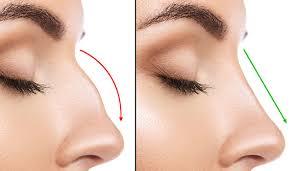
The nose is the focal point of the face. Because of its central position, even minor irregularities can disrupt the overall balance and harmony of your features. Many individuals find that nasal asymmetry—whether it’s a slight deviation in the bridge, uneven nostrils, or a tip that leans to one side—can affect their confidence and how they perceive their own appearance. Rhinoplasty in Dubai is a transformative procedure designed not only to refine the shape of the nose but to specifically address these concerns, helping to create a more balanced and proportional profile.
Why Focus on Nasal Symmetry?
Facial aesthetics are often viewed through the lens of symmetry and proportion. While no face is perfectly symmetrical, a nose that aligns harmoniously with the rest of your features—your eyes, cheekbones, and chin—can significantly enhance your overall facial attractiveness.
When you seek surgical intervention for symmetry, the goal is not to achieve "perfection," which is rarely achievable or natural-looking, but rather to establish a balanced nasal profile that complements your unique facial anatomy. By correcting structural imbalances, rhinoplasty can bring your features into alignment, allowing your other natural characteristics to shine.
How Surgical Rhinoplasty Works
Rhinoplasty, commonly known as a "nose job," is a highly personalized surgical procedure. During the operation, the surgeon reshapes the underlying bone and cartilage that form the structure of the nose. To improve symmetry, the approach might involve several techniques:
-
Realigning the Septum: A deviated septum—the wall separating your nasal passages—is a frequent cause of both physical asymmetry and breathing difficulties. Correcting this is a fundamental step in restoring both form and function.
-
Refining the Nasal Tip: For those with a bulbous or leaning tip, precise adjustments to the tip cartilages can create a more symmetrical, defined, and appealing look.
-
Sculpting the Bridge: If the nasal bridge is crooked or has a visible bump, the surgeon can carefully reshape the bone and cartilage to create a smoother, straighter profile that aligns with the center of the face.
-
Balancing the Nostrils: Adjustments to the alar bases can narrow or reshape uneven nostrils, ensuring they are proportional to each other and the rest of the nasal structure.
By addressing these internal components, the surgeon ensures that the external result is stable and harmonious.
The Journey to Your Desired Results
Undergoing rhinoplasty is a significant decision, and the process begins long before the surgery itself. In a bustling, modern city like Dubai, where advanced cosmetic surgical technology is readily available, the focus is on precision, safety, and highly personalized care.
The Consultation Phase
Your journey starts with a thorough consultation. This is your opportunity to discuss your goals and understand what is realistically achievable. A qualified surgeon will evaluate your skin type, cartilage structure, and medical history. Many professionals now use digital imaging to help you visualize potential outcomes, which is a fantastic way to ensure you and your surgeon are perfectly aligned on the aesthetic goals for your nasal balance.
The Surgical Experience
Rhinoplasty is typically performed as an outpatient procedure under anesthesia, ensuring your comfort throughout the operation. Depending on the complexity of your case, the surgeon will use either an "open" or "closed" approach to access the nasal framework. Both techniques aim to achieve a symmetrical and refined result while minimizing visible scarring.
The Recovery Process
Patience is the most important component of the recovery phase. While the initial splint and bandages are usually removed within a week, it is normal to experience some swelling and bruising in the first few weeks.
It is vital to follow all post-operative instructions provided by your medical team. This includes:
-
Keeping your head elevated to minimize fluid retention.
-
Avoiding strenuous physical activity to prevent pressure on the healing nose.
-
Attending all follow-up appointments to monitor your progress.
While you will start to see improvements in your facial symmetry as the initial swelling goes down, remember that the nose continues to refine its shape over the course of several months. The final, settled outcome is often best appreciated about a year after the procedure, when the deep tissue healing is complete.
Selecting a Qualified Professional
Because rhinoplasty is one of the most complex procedures in facial plastic surgery, choosing the right professional is essential. Look for a surgeon who is board-certified and has extensive, specialized experience in performing rhinoplasty.
A skilled surgeon in a city like Dubai will prioritize your health and satisfaction. They should be willing to show you examples of their work, explain the risks and benefits clearly, and provide you with a comprehensive, transparent plan. Don't be afraid to ask questions about their experience with similar cases—the best outcomes come from a collaborative relationship built on trust and clear communication.
A Final Perspective on Transformation
Ultimately, the decision to undergo surgery for nasal symmetry is deeply personal. Beyond the physical changes, many patients find that the procedure offers a profound boost in self-esteem and a renewed sense of confidence. By harmonizing your nose with the rest of your features, you aren't changing who you are; you are simply allowing your natural beauty to be more balanced and aligned. Achieving this facial harmony can lead to a more positive self-image and a more confident way of moving through the world, making the careful planning and recovery process well worth the journey.
Κατηγορίες
Διαβάζω περισσότερα
In today’s digital-first era, your website is more than just an online presence—it’s the first impression of your brand. A well-designed, responsive, and user-friendly website can attract potential customers, increase engagement, and boost business growth. That’s why choosing the right website designing company in Noida is crucial for businesses of all sizes. Noida has...

Security Vulnerabilities Discovered in PureVPN's Linux Applications A Linux security expert has identified critical security flaws in PureVPN's Linux applications that could compromise user privacy and system security. The researcher, who goes by the name Anagogistis, revealed that both the GUI (version 2.10.0) and CLI (version 2.0.1) versions of PureVPN's Linux clients contain vulnerabilities...

Netflix continues its aggressive push into Chinese-language programming with an ambitious production currently underway in Taiwan. The streaming giant's debut Mandarin original series, Nowhere Man, represents a significant milestone in the platform's regional content strategy. The production recently marked a pivotal moment as filming began on the prison sequences this past Friday. To...

In the heart of the West Midlands, Birmingham has solidified its position as a primary engine of the UK economy. With over 100,000 businesses operating within the Greater Birmingham area, the competition for consumer attention has moved beyond mere presence and into the realm of conversion psychology. As we navigate the digital landscape of 2026, the challenge for the modern Startup,...
Keys-Shop is the best Windows Server 2016 Standard License Key offers a scalable and safe option. Windows Server 2016 Standard offers sophisticated networking, storage, and data management technologies and is intended for physical or lightly virtualized environments. This server platform lets businesses manage workloads effectively while safeguarding sensitive data thanks to its...