Hollow Blocks Price in India – Complete Buyer’s Guide
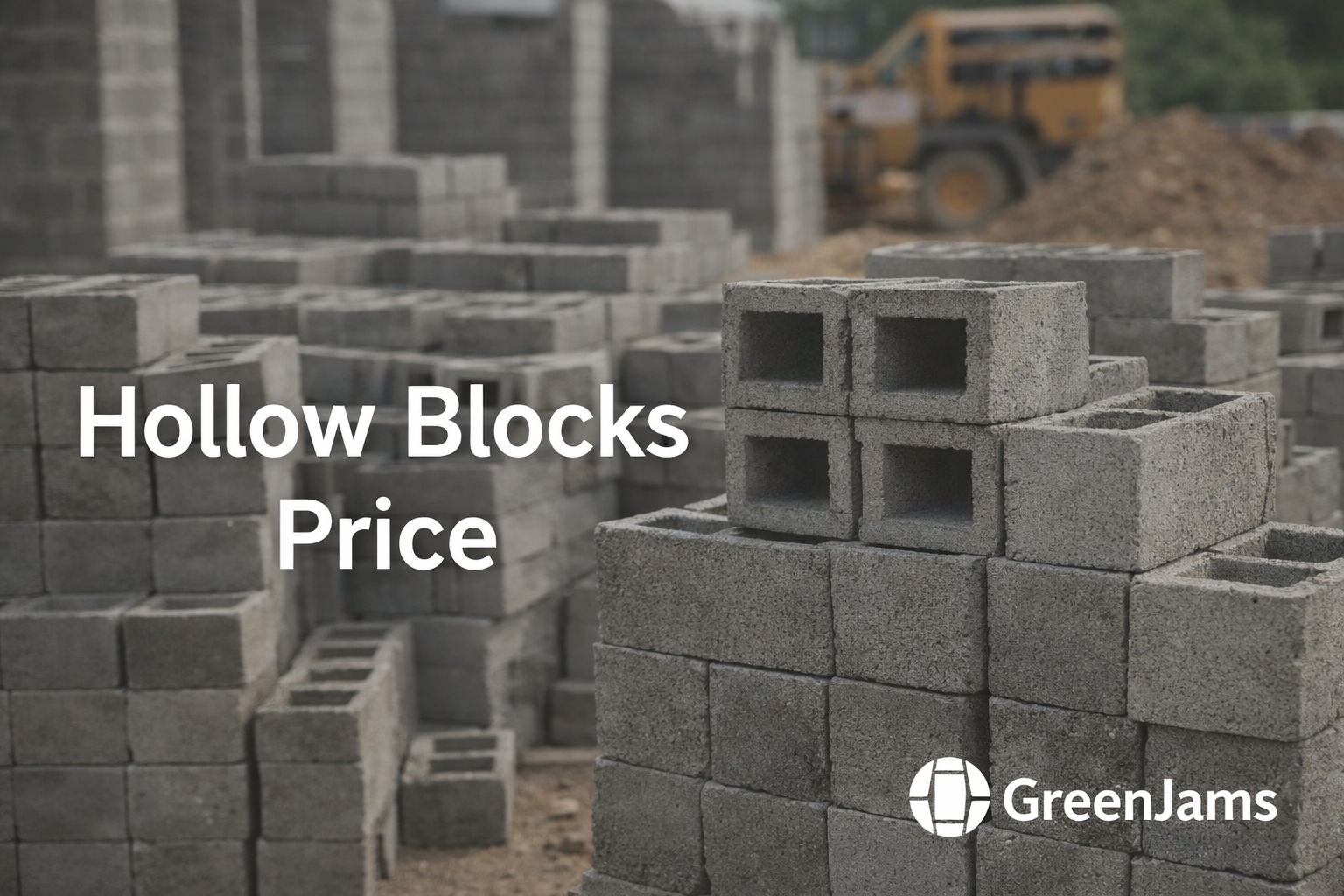
Hollow Blocks Price: A Complete Guide to Cost, Types, and Factors
Hollow blocks are one of the most widely used building materials in modern construction. Known for their durability, lightweight structure, and cost-effectiveness, hollow blocks are commonly used for walls, partitions, and structural applications in residential and commercial buildings. If you are planning construction, understanding hollow blocks price and the factors that influence it can help you manage your budget more effectively.
In this blog, we will explore the average hollow block prices, types of hollow blocks, factors affecting their cost, and tips for choosing the right blocks for your project.
What Are Hollow Blocks?
Hollow blocks are concrete blocks that contain hollow spaces or cavities inside them. These cavities reduce the weight of the block while maintaining structural strength. The hollow sections also provide better insulation and reduce material usage, making them economical and eco-friendly.
These blocks are widely used in:
-
Residential construction
-
Commercial buildings
-
Boundary walls
-
Load-bearing structures
-
Partition walls
Compared to traditional bricks, hollow blocks are larger in size, which helps reduce mortar consumption and construction time.
Average Hollow Blocks Price in India
The price of hollow blocks varies depending on size, quality, thickness, and location.
Typically, 4-inch hollow blocks cost around ₹25 to ₹35 per block. These are commonly used for partition walls where heavy load support is not required.
6-inch hollow blocks are slightly thicker and stronger, and their price usually ranges between ₹35 to ₹50 per block. They are commonly used for medium-strength walls.
8-inch hollow blocks, which are widely used for exterior and load-bearing walls, generally cost around ₹45 to ₹70 per block depending on quality.
For heavy construction work, 12-inch hollow blocks may be used. These blocks usually cost between ₹70 to ₹110 per block.
If you purchase hollow blocks directly from manufacturers or in bulk quantities, the price may be lower. Transportation charges can also affect the final cost depending on the distance between the supplier and the construction site.
Types of Hollow Blocks
Understanding different types of hollow blocks can help you choose the right option for your construction project.
Concrete Hollow Blocks
These are the most commonly used hollow blocks made from cement, sand, and aggregates. They provide excellent strength and durability for construction.
Lightweight Hollow Blocks
These blocks are produced using lightweight materials such as pumice or fly ash. They reduce the overall load on the building structure and improve insulation.
Load Bearing Hollow Blocks
Load-bearing hollow blocks are designed to support structural loads. They are used in walls that carry the weight of the building structure.
Non Load Bearing Hollow Blocks
These blocks are mainly used for partition walls and interior construction where structural support is not required.
Factors Affecting Hollow Blocks Price
Several factors influence the price of hollow blocks in the construction market.
Block Size and Thickness
Larger and thicker blocks require more raw materials, which increases production cost and price.
Quality of Raw Materials
The quality of cement, sand, and aggregates used in manufacturing affects both the strength and cost of hollow blocks.
Manufacturing Process
Machine-made blocks usually have better uniformity and strength. However, they may be slightly more expensive than manually produced blocks.
Transportation Cost
Transportation plays an important role in determining the final price, especially if the supplier is located far from the construction site.
Bulk Purchase
Buying hollow blocks in large quantities often reduces the per-block cost, making it more economical for large construction projects.
Advantages of Using Hollow Blocks
Hollow blocks have become very popular in construction because of their multiple benefits.
Lightweight Construction
The hollow design reduces the overall weight of the block, making it easier to handle and install during construction.
Better Thermal Insulation
The air gaps inside hollow blocks provide good insulation and help maintain comfortable indoor temperatures.
Faster Construction
Since hollow blocks are larger than traditional bricks, fewer blocks are required, which speeds up the construction process.
Cost Savings
Hollow blocks reduce mortar and cement usage, helping builders lower overall construction costs.
Environmentally Friendly
Many hollow blocks are made using recycled materials like fly ash, which makes them a sustainable and eco-friendly building material.
Hollow Blocks vs Traditional Bricks
Many builders now prefer hollow blocks instead of bricks because of their efficiency and performance. Hollow blocks are lighter, easier to install, and require less mortar during construction. They also help speed up building work because of their larger size.
Traditional bricks, on the other hand, are smaller and require more labor, mortar, and time during construction. This often increases overall building costs.
Tips for Buying Hollow Blocks
If you want to get the best value for your construction project, consider these tips before buying hollow blocks.
First, always check the strength and quality of the blocks to ensure they meet construction standards.
Second, inspect the surface finish of the blocks. Good-quality hollow blocks usually have a smooth and uniform shape.
Third, purchase blocks from trusted suppliers or manufacturers to ensure consistent quality.
Fourth, compare prices from different suppliers to find the best deal.
Finally, if possible, purchase in bulk, as bulk orders often come with discounted pricing.
Conclusion
Hollow blocks are an excellent choice for modern construction because they are strong, lightweight, and cost-effective. The hollow blocks price in India generally ranges from ₹25 to ₹110 per block, depending on the size, quality, and supplier.
By understanding the types of hollow blocks and the factors that affect their price, builders and homeowners can make better decisions for their construction projects. Choosing high-quality hollow blocks not only improves building strength but also helps reduce construction costs and time.
For More Information Contact us!
الأقسام
إقرأ المزيد
"Executive Summary Women’s Health Market: Growth Trends and Share Breakdown Data Bridge Market Research analyses that the global women’s health market which was USD 4,000.00 million in 2022, would rocket up to USD 6,200.00 million by 2030, and is expected to undergo a CAGR of 5.5% during the forecast period. This global Women’s Health Market research report is organized...

Finding the right jewelry for a wedding or a special event is a big task. Most people want something that looks good but also lasts a lifetime. Whether you are looking for a gift or your own wedding set, the choice of metal and stones matters. Picking the Right Stones Necklaces often serve as the centerpiece of an outfit. Some people prefer a single diamond, but multistone designs offer more...

The Global Brewery Equipment Market Report 2025 offers a thorough and data-driven analysis of the Brewery Equipment Market industry, covering key aspects such as market size, growth drivers, limitations, and future prospects. Market analysts meticulously collect data using polls, focus groups, and thorough examination of industry trends. Through a combination of quantitative and...

Oddway International is a dependable named patient program supplier in india, supporting hospitals with urgent and regulated medicine access. As an experienced named patient medicines supplier, we coordinate compliant named patient supply for critical treatments worldwide. Our team carefully manages documentation and approvals to streamline name patient supply without delays. We provide our...

Maintaining balanced blood sugar is one of the foundations of good health, steady energy, and long-term wellness. Whether someone is trying to feel more energetic, manage cravings, improve focus, or support overall health, stable blood sugar plays a major role. When blood sugar rises or drops too quickly, the body feels the effects—leading to mood swings, tiredness, increased...