What Should Buyers Ask Chair Mold Manufacturers Before Ordering?
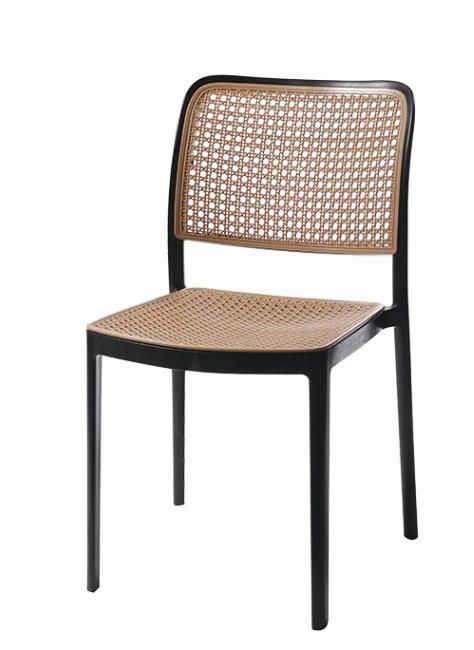
Plastic chairs appear simple, yet their manufacturing process relies heavily on the design and structure of the Chair Mold. For furniture brands, wholesalers, and product developers, understanding how molds are designed and produced helps when discussing a project with Chair Mold Manufacturers.
Injection molding remains a widely used method for producing plastic chair components. The mold determines the structure, surface appearance, and repeatability of every piece. Because of this, many buyers begin their sourcing process by researching Chair Mold development and the capabilities of different suppliers.
1. How does a Chair Mold create plastic chairs?
In injection molding, melted plastic material is injected into the cavity of a Chair Mold. The mold cavity contains the exact shape of the chair component. Once the material fills the cavity, it cools and solidifies before the mold opens and releases the part.
The design of the mold affects how the plastic flows and how the finished product appears. Many Chair Mold Manufacturers work closely with product drawings to define rib structures, thickness distribution, and surface texture.
Because plastic chairs often require strength at connection points, mold design also considers load areas such as legs, seat supports, and back structures.
2. What mold materials are commonly used?
The durability of a Chair Mold depends greatly on the steel selected during mold manufacturing. Two commonly used materials include:
P20 mold steel
S50C steel
P20 steel is often used for production molds and can support a lifespan of around hundreds of thousands of cycles, depending on maintenance and production conditions. Many Chair Mold Manufacturers select mold steel based on the expected production volume and the structural complexity of the chair design.
The steel choice also affects machining time and mold maintenance requirements during long production runs.
3. Why do cavity design and runner systems matter?
When discussing a Chair Mold, buyers often hear terms like single cavity, multi cavity, cold runner, and hot runner.
A single cavity Chair Mold produces one part per cycle. This design is often used for larger chair components.
A multi cavity Chair Mold allows several parts to be produced during one injection cycle.
Runner systems guide molten plastic into the mold cavities. Depending on the product structure, Chair Mold Manufacturers may recommend:
cold runner systems
hot runner systems
Each approach affects material flow, mold structure, and cycle stability.
4. How long does it take to develop a Chair Mold?
Development time is another common question when companies contact Chair Mold Manufacturers. From design confirmation to mold completion, the lead time typically moves through several steps:
Product drawing review and mold structure design
Mold steel preparation and machining
Assembly and mold testing
Sample production and adjustment
For many projects, the manufacturing cycle for a Chair Mold is around 50 days, depending on complexity. During this period, engineers refine the mold structure so the injection process produces stable chair components.
Many furniture brands and plastic product companies rely on experienced Chair Mold Manufacturers to transform product drawings into production molds. With proper mold structure, runner design, and steel selection, a well-developed Chair Mold supports consistent injection molding for large-scale chair manufacturing.
Categorias
Leia Mais
In the heart of Kedarnath town prices can be slightly higher because of the proximity to the temple and demand from pilgrims. Some private hotels during the busy season charge between ₹3,000 and ₹5,000 per night for standard or superior rooms, especially when you want basic private amenities such as attached bathrooms, hot water on demand, and family-friendly spaces. Premium rooms and suites...

近年、ライブ配信やオンラインミーティング、動画制作の現場では「見せ方」が成果を左右する重要な要素となっています。そんな中で注目を集めているのが、映像表現を自在にコントロールできるバーチャル カメラ アプリです。yycamproは、配信初心者からプロフェッショナルまで幅広いユーザーに向けて、直感的かつ高機能な体験を提供します。 バーチャル カメラ アプリの最大の魅力は、物理的なカメラに縛られない自由度です。背景の切り替え、映像エフェクトの追加、画角や色味の調整などをソフトウェア上で簡単に行えるため、特別な機材がなくても高品質な映像表現が可能になります。yycamproは、この利点を最大限に活かし、誰でもすぐに使いこなせる操作性を追求しています。...

Trong thời đại công nghệ phát triển nhanh chóng, nhu cầu giải trí trực tuyến của người dùng ngày càng tăng cao. Nhiều nền tảng game ra đời, nhưng không phải nơi nào cũng mang lại trải nghiệm ổn định và đáng tin cậy. https://123b-lc.com/ được biết đến như một cổng game giải trí trực tuyến uy...

"Executive Summary Middle East and Africa Polyvinyl Chloride (PVC) Compound Market Market Size and Share Across Top Segments Data Bridge Market Research analyses that the polyvinyl chloride (PVC) compound market was growing at a value of 8.32 Billion in 2021 and is expected to reach the value of USD 11.30 Billion by 2029, at a CAGR of 3.9% during the forecast period. Market drivers...
Parasitic infections affect millions of people worldwide, particularly in regions with poor sanitation and limited access to healthcare. These infections are caused by different types of helminths, such as roundworms, whipworms, hookworms, and tapeworms. Left untreated, they can lead to nutritional deficiencies, weakened immunity, and various digestive issues. While medications like Albendazole...