CNC Tool vs Conventional Cutting Tools Cost Comparison
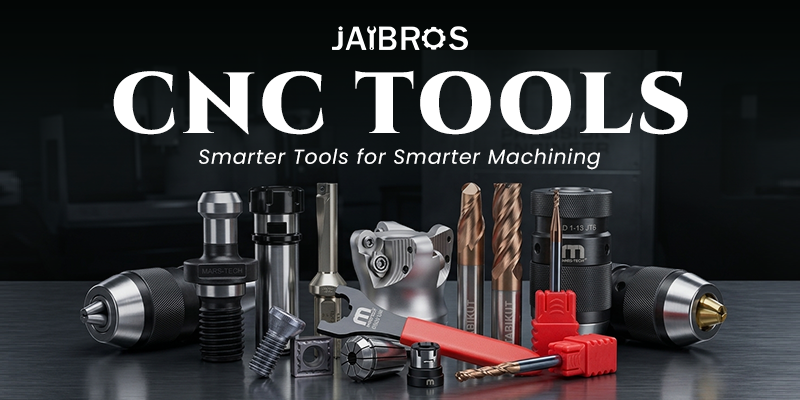
Compare CNC tool and conventional cutting tools to understand costs, efficiency, and productivity benefits in modern machining operations.
Cost Comparison Between CNC Tool and Traditional Cutting Tools
Manufacturing industries rely heavily on cutting tools to shape raw materials into precise components. Over the years, machining technologies have evolved significantly, giving rise to advanced computer-controlled systems that deliver higher accuracy and efficiency. One of the major developments in modern manufacturing is the use of CNC tool technology, which has transformed how machining operations are performed.
Despite these advancements, many small workshops and traditional manufacturers still use conventional cutting tools for their machining processes. While both options have their advantages, the cost difference between them is a key factor that influences decision-making for manufacturers.
Understanding CNC-Based Tooling
Modern machining environments rely on computer-controlled machines that use specialised cutting tools to perform precise operations. A CNC tool is designed to work with automated systems that control cutting speed, feed rate, and tool movement through programmed instructions.
This level of automation allows manufacturers to achieve extremely accurate dimensions and consistent results. CNC-based tooling solutions are particularly useful for industries that require high precision, such as aerospace, automotive, and medical equipment manufacturing.
By integrating advanced tooling systems with automation, manufacturers can improve production speed while maintaining quality standards.
What Are Conventional Cutting Tools?
Conventional cutting tools refer to traditional machining tools used with manually operated machines such as lathes, milling machines, and drilling machines. These tools require manual control and operator expertise to perform machining operations.
While conventional tools are widely used in small-scale workshops and low-volume production environments, they often lack the precision and efficiency offered by modern automated machining systems.
The performance of conventional cutting tools depends heavily on operator skill, machine condition, and consistent monitoring throughout the machining process.
Initial Investment Cost
One of the main differences between modern CNC-based tooling and conventional cutting tools is the initial investment required.
Machines that operate with CNC tools usually involve higher upfront costs because they require advanced machinery, software systems, and automated tooling components. These systems are designed to deliver high precision and consistent results, making them suitable for large-scale manufacturing operations.
On the other hand, conventional machining setups typically require lower initial investment. Manual machines and traditional cutting tools are generally less expensive, which makes them appealing to small workshops or businesses with limited budgets.
However, the lower upfront cost does not always translate into long-term savings.
Production Efficiency and Output
Production efficiency plays a significant role in determining overall manufacturing costs. Modern machining environments equipped with CNC tools can operate continuously with minimal human intervention.
Automated systems can perform multiple machining operations in a single setup, reducing production time and increasing output. This level of efficiency allows manufacturers to produce large quantities of components within shorter timeframes.
In contrast, conventional cutting tools require constant supervision and manual adjustments during machining. This often results in slower production speeds and higher labour requirements.
When evaluating long-term productivity, automated machining systems usually provide a significant advantage.
Precision and Product Quality
Precision is one of the most important factors in modern manufacturing. Many industries require components with extremely tight tolerances and high-quality surface finishes.
A CNC tool enables automated machines to maintain consistent accuracy throughout the production process. Computer-controlled movements ensure that every component is produced with identical dimensions.
Traditional cutting tools, while capable of producing quality parts, depend heavily on operator expertise. Even minor variations in machine handling can lead to dimensional inconsistencies.
Manufacturers looking for consistent product quality often choose the best CNC tools to ensure reliable machining results.
Labor and Operational Costs
Labor costs can significantly impact the overall cost of manufacturing. Automated machining environments reduce the need for continuous operator involvement.
Machines using CNC tools can perform complex operations automatically after the program is set. This allows a single operator to manage multiple machines simultaneously, reducing labor expenses.
Conventional machining processes require skilled operators to control machines manually. This increases labor costs and also limits production capacity.
Over time, the reduction in labor requirements can make automated machining systems more cost-effective.
Maintenance and Tool Life
Tool durability and maintenance requirements also affect manufacturing costs. Advanced CNC tools are often designed with high-performance materials and specialized coatings that enhance wear resistance.
These tools can withstand higher cutting speeds and extreme machining conditions without losing performance. Longer tool life reduces the frequency of replacements, lowering operational expenses.
Traditional cutting tools may require more frequent sharpening or replacement due to higher wear rates during manual machining operations.
Predictable tool performance and longer life cycles make automated machining tools more efficient for large-scale production.
Flexibility and Production Capabilities
Modern manufacturing often requires producing complex components with intricate designs. Automated machining systems equipped with CNC tools are capable of handling such tasks efficiently.
Multi-axis machines allow simultaneous movements along multiple directions, enabling the production of highly complex parts.
Conventional machining tools may struggle to achieve the same level of complexity without multiple setups or additional manual adjustments.
This flexibility makes advanced tooling systems ideal for industries that require high precision and complex geometries.
Digital Procurement and Accessibility
The digital transformation of supply chains has also influenced how manufacturers purchase machining tools. Many businesses now explore CNC tools online platforms to compare specifications, pricing, and product availability.
Online sourcing provides convenient access to a wide range of tooling solutions and helps manufacturers identify the best options for their production needs.
At the same time, businesses often search for local suppliers using queries such as CNC tools near me when they require immediate delivery or technical support.
The combination of online and local sourcing options makes it easier for manufacturers to find reliable tooling solutions.
Long-Term Cost Benefits
Although automated machining systems may require higher initial investment, they often provide better long-term financial returns. Increased productivity, reduced labor costs, and longer tool life contribute to overall cost savings.
Manufacturers who invest in the best CNC tools can achieve higher production efficiency and improved product quality.
Conventional cutting tools may remain suitable for small workshops or low-volume production environments, but they may not provide the same level of efficiency in large-scale manufacturing.
When evaluating long-term costs, automated machining systems generally deliver greater value.
Conclusion
The comparison between modern automated machining tools and conventional cutting tools highlights the importance of efficiency, precision, and long-term cost management in manufacturing.
While traditional machining setups require lower initial investment, they often result in higher operational costs due to slower production speeds, increased labour requirements, and frequent tool replacements.
In contrast, advanced machining systems using CNC tool technology provide higher productivity, improved accuracy, and better long-term cost efficiency across different types of CNC machine environments.
At Jaibros, we are dedicated to delivering high-quality tooling solutions that meet the evolving needs of modern manufacturing. With a strong focus on precision, durability, and innovation, Jaibros helps manufacturers achieve superior productivity and long-term industrial success.
FAQs
1. What is the main difference between CNC-based tools and conventional cutting tools?
Automated machining tools operate with computer-controlled systems, while conventional tools rely on manual operation and operator skill.
2. Are automated machining tools more expensive than traditional tools?
They usually require higher initial investment, but they provide better productivity and long-term cost savings.
3. Which tools are better for high-precision manufacturing?
Automated machining tools are generally better for applications requiring tight tolerances and consistent quality.
4. Can small workshops benefit from automated machining technology?
Yes, small workshops can improve efficiency and production capacity by adopting automated machining systems.
5. How can manufacturers find reliable machining tool suppliers?
Manufacturers can research suppliers online, compare technical specifications, and consult industry experts before purchasing tooling solutions.
Categorías
Read More
According to The Insight Partners, the global Atherectomy and Thrombectomy Devices Market is projected to grow from US$ 4.15 billion in 2025 to US$ 7.38 billion by 2034, registering a CAGR of 7.45% during the forecast period from 2026 to 2034. The market is witnessing substantial growth owing to the increasing burden of cardiovascular disorders, technological advancements in vascular...

The global cap & closure market is poised for sustained growth as manufacturers across the food, beverage, pharmaceutical, and personal care industries increasingly prioritize product safety, leakage prevention, packaging sustainability, and operational efficiency. According to the latest market analysis by Future Market Insights (FMI), the market is projected to expand...

The Dental Instruments, Surgical Sets, and Implant Kits in Modern Dentistry Modern technology and specialized instruments have taken dentistry a step further and have allowed the dental professionals to be precise, efficient and safe when undertaking the procedures. Dental Instruments assist in the diagnosis, treatment, and prevention of oral diseases, surgical sets include structured tools to...

The Mobile Content Delivery Network (CDN) market is poised for significant growth by 2034, driven by the increasing demand for high-quality content delivery and a surge in mobile data consumption. As the digital landscape evolves, businesses across sectors are recognizing the importance of efficient content delivery systems to enhance user experience and maintain competitive advantage. The...

Introduction: The Financial Revolution Happening Right Now Imagine a world where you don’t need banks to send money, take loans, trade assets, or earn interest. A world where financial services are open to everyone with an internet connection, operating 24/7 without intermediaries or lengthy approvals. This is no longer a future concept it is already happening through Decentralized...