Understanding Fibroids and Their Impact on Women
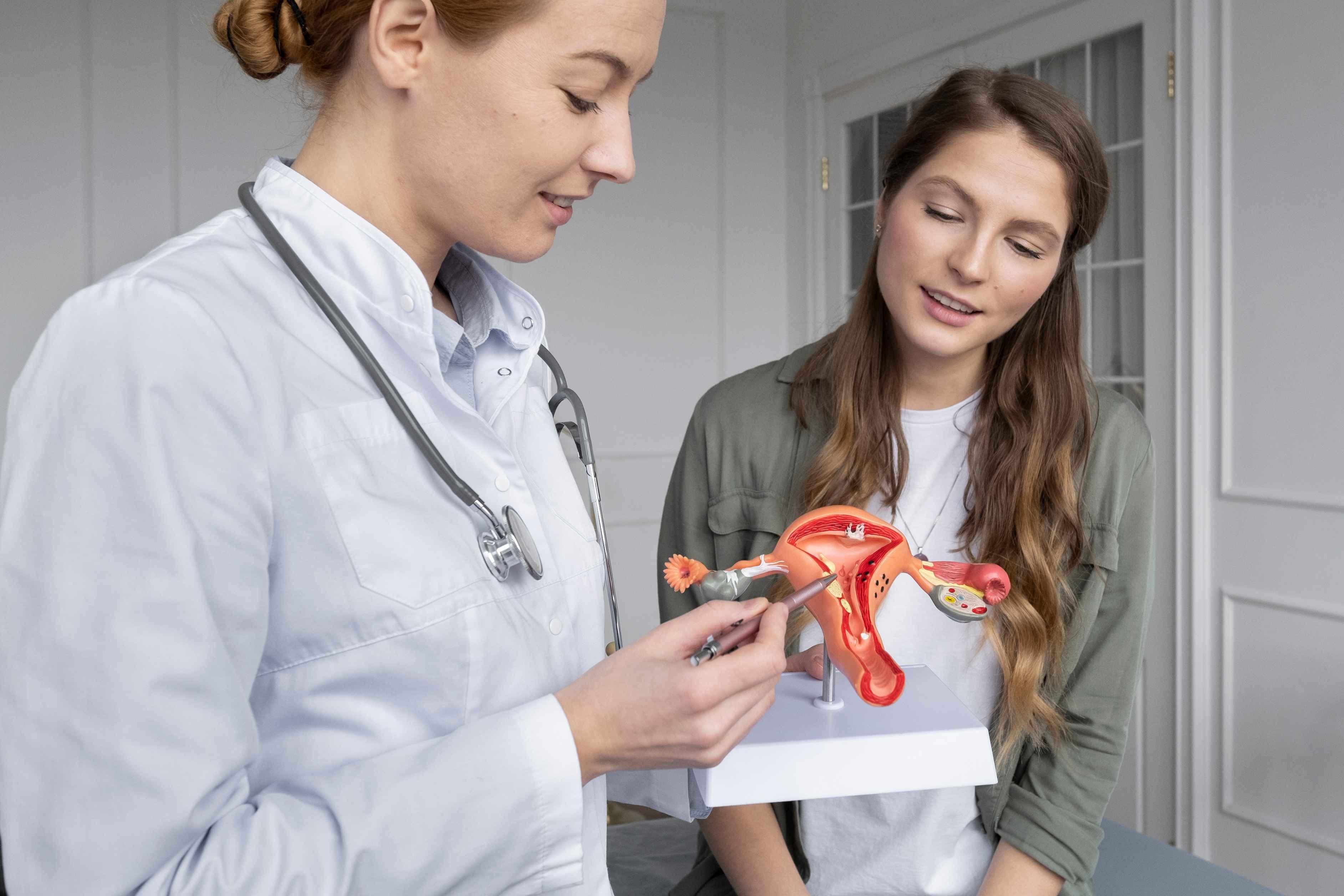
Women’s health concerns can often go unnoticed until symptoms start affecting daily life. One such condition that impacts many women worldwide is uterine fibroids. These noncancerous growths develop in or around the uterus and can vary in size and number. While some women may not experience any symptoms, others may face discomfort, heavy periods, or pelvic pain. Seeking guidance from an Expert Women’s Health Doctor in Raleigh can help women better understand this condition and explore appropriate treatment options.
What Are Uterine Fibroids?
Uterine fibroids, also known as leiomyomas, are benign tumors that develop from the muscle tissue of the uterus. They can appear as a single growth or multiple growths and may vary greatly in size. Some fibroids are as small as a seed, while others may grow large enough to affect the shape of the uterus.
Although fibroids are not cancerous, they can still cause various health concerns depending on their size and location. Many women develop fibroids during their reproductive years, often between the ages of 30 and 50. Hormonal factors, particularly estrogen and progesterone, are believed to play a role in their development.
Common Symptoms of Fibroids
Not all women with fibroids experience symptoms. However, when symptoms do occur, they can significantly affect quality of life. One of the most common signs is heavy or prolonged menstrual bleeding. Women may also experience pelvic pressure, lower back pain, frequent urination, or discomfort during daily activities.
In some cases, fibroids may cause complications such as anemia due to heavy bleeding or difficulty during pregnancy. If symptoms become severe or persistent, consulting a Trusted women’s health doctor in Raleigh can help identify the condition early and determine the most suitable treatment approach.
Causes and Risk Factors
The exact cause of uterine fibroids is not fully understood, but several factors may increase the likelihood of developing them. Hormonal changes are believed to play a major role since fibroids often grow during reproductive years and may shrink after menopause.
Genetics may also influence the risk, as fibroids sometimes run in families. Other factors such as lifestyle, obesity, and diet may contribute as well. Women who begin menstruation at an early age or have certain hormonal imbalances may have a higher chance of developing fibroids.
Understanding these risk factors can help women take proactive steps toward maintaining better reproductive health.
How Fibroids Are Diagnosed
Diagnosis usually begins with a routine pelvic exam, where a healthcare provider may detect irregularities in the uterus. Imaging tests such as ultrasound or MRI are often used to confirm the presence of fibroids and determine their size and location.
Early detection is important because it allows women to monitor the condition and manage symptoms effectively. Regular health checkups and open communication with a healthcare provider play a crucial role in maintaining overall reproductive wellness.
Treatment Options for Fibroids
Treatment for fibroids depends on several factors, including the severity of symptoms, the size of the fibroids, and the patient’s overall health. Some women with mild symptoms may only require regular monitoring, while others may benefit from medication that helps control hormonal levels and reduce symptoms.
In certain cases, minimally invasive procedures or surgery may be recommended to remove fibroids or address related complications. The goal of treatment is always to relieve symptoms, improve comfort, and protect reproductive health.
Women experiencing ongoing symptoms should consider visiting a Trusted Raleigh Primary Care & Women’s Clinic where experienced medical professionals can evaluate the condition and recommend personalized care.
Maintaining Women’s Health and Well-Being
Preventive healthcare plays an important role in identifying and managing conditions like fibroids. Routine checkups, healthy lifestyle choices, and proper medical guidance can help women maintain overall wellness.
Regular exercise, balanced nutrition, and stress management may support hormonal balance and contribute to better reproductive health. While these steps cannot completely prevent fibroids, they can help women maintain stronger overall health and detect potential concerns early.
Final Thoughts
Uterine fibroids are a common condition that can affect many women, but with proper awareness and timely medical care, they can often be managed effectively. Understanding the symptoms, risk factors, and treatment options empowers women to make informed decisions about their health. For those seeking compassionate and professional care, Satyam Primary Care is committed to supporting women’s wellness through personalized medical services and dedicated attention to patient needs.
Catégories
Lire la suite
Introduction In today’s visually driven world, a website is more than just a digital presence—it’s a brand’s identity. From colors and layouts to functionality and user experience, every element of web design plays a crucial role in how people perceive and interact with a business. As demand for creative and skilled web designers grows, learning professional web design...

In today’s fast-paced world, finding time to visit a salon can feel like a luxury. Between work commitments, family responsibilities, and the daily grind, self-care often takes a backseat. That’s where home salon services in Pune are transforming the beauty and wellness landscape—bringing professional care directly to your doorstep. Whether you’re preparing for a special...

Summary A fire damage restoration company and a specialized fire damage Remediation service work closely during the first 48 hours after a fire to stabilize the property, prevent further damage, and prepare for restoration. Immediately after the site is cleared, both teams assess safety risks, document damage for insurance, and define responsibilities. The cleanup service secures the...

Dubai is one of the fastest-growing digital hubs in the world, but with great innovation comes great risk. As businesses embrace advanced technologies and online systems, cyber threats are evolving at an alarming rate. This is where a reliable Cyber Security Company in Dubai becomes essential. Cybersecurity isn’t just an option anymore — it’s a necessity for survival in...

Introduction The corrugated board packaging market in Europe stands as one of the most dynamic segments within the broader packaging industry. Corrugated packaging, made from fluted sheets sandwiched between linerboards, is widely recognized for its strength, versatility, cost-effectiveness, and recyclability. Its applications extend across a range of industries including food and...