CNC Tool Design and Its Impact on Cutting Performance
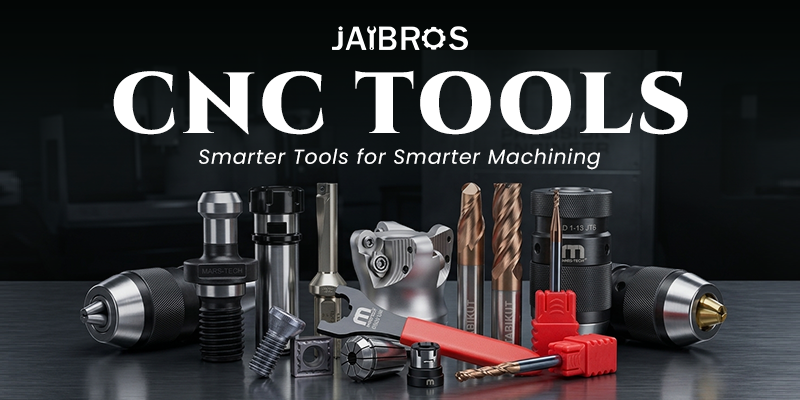
Learn how CNC tool design affects cutting performance, efficiency, and precision in machining. Discover tool geometry, materials, and tips for better results.
CNC Tool Design and Its Impact on Cutting Performance in Modern Machining
In modern manufacturing, precision, efficiency, and productivity are essential for achieving high-quality results. One of the most important factors that influence machining performance is the design of the CNC tool. The structure, material, geometry, and coating of a cutting tool directly affect its material removal rate and accuracy during machining.
From automotive components to aerospace parts, industries rely heavily on advanced machining technology to produce complex parts with tight tolerances. The right tool design can improve cutting speed, reduce tool wear, and enhance overall machining efficiency. Understanding how tool design affects performance helps manufacturers choose the right equipment and optimize their operations.
Understanding CNC Tool Design
Tool design plays a crucial role in determining how well a cutting process performs. Every CNC tool is engineered with specific features such as cutting edges, rake angles, and coatings that influence its efficiency during machining.
A well-designed tool ensures smoother cutting, lower friction, and better chip removal. It also helps maintain consistent quality in the finished product while reducing machine downtime caused by frequent tool replacements.
Modern machining tools are designed to handle different materials such as aluminum, steel, titanium, and composites. Each material requires a specific geometry and cutting approach to achieve optimal results.
Importance of Tool Geometry in Machining
Tool geometry refers to the shape and angles of the cutting edges. These elements significantly influence how a CNC tool interacts with the workpiece material.
Rake Angle
The rake angle determines how chips flow away from the cutting zone. A positive rake angle reduces cutting force and allows smoother machining, while a negative rake angle increases tool strength for heavy-duty operations.
Clearance Angle
The clearance angle prevents the tool from rubbing against the workpiece. Proper clearance reduces friction, heat generation, and tool wear.
Cutting Edge Design
The sharpness and design of the cutting edge determine the efficiency of material removal. A well-designed edge ensures consistent cutting performance and improves surface finish.
When these elements are optimized, the machining process becomes more stable and productive.
Role of Tool Material in Cutting Performance
The material used to manufacture cutting tools plays a major role in durability and efficiency. Common materials used in machining tools include carbide, high-speed steel, ceramic, and cubic boron nitride.
Carbide tools are widely used because they offer excellent hardness and wear resistance. They can operate at higher cutting speeds compared to traditional steel tools.
Coatings such as titanium nitride or titanium aluminum nitride further enhance tool performance by reducing friction and increasing heat resistance. This combination of material and coating technology allows manufacturers to achieve longer tool life and better machining results.
Chip Control and Heat Management
During machining, chips are generated as material is removed from the workpiece. Effective chip control is essential for maintaining smooth operations and preventing damage to the workpiece or tool.
Good tool design ensures efficient chip evacuation, preventing chips from accumulating in the cutting zone. This reduces the risk of tool breakage and improves overall cutting stability.
Heat management is another critical factor. Excessive heat can damage both the tool and the workpiece. Advanced tool designs incorporate coatings and geometries that help dissipate heat effectively, maintaining consistent cutting performance even during high-speed operations.
Types of CNC Machine Used in Modern Manufacturing
Understanding the types of CNC machine tool used in manufacturing helps in selecting the appropriate cutting tools. Different machines require specialized tooling solutions to perform specific operations.
CNC Milling Machines
These machines are used for cutting and shaping materials using rotating tools. They are ideal for producing complex parts with multiple surfaces and contours.
CNC Lathes
Lathes rotate the workpiece while the cutting tool removes material. They are commonly used for cylindrical components such as shafts and bushings.
CNC Drilling Machines
These machines focus on creating precise holes in materials. Specialized drilling tools are used to achieve accurate diameters and depths.
CNC Grinding Machines
Grinding machines use abrasive tools to achieve extremely fine finishes and tight tolerances.
Each type of machine requires carefully designed cutting tools to ensure optimal performance and accuracy
Factors That Influence Cutting Performance
Several factors affect the performance of a CNC tool during machining operations.
Cutting Speed
The speed at which the tool moves across the workpiece determines productivity and surface quality.
Feed Rate
Feed rate refers to how quickly the tool advances into the material. Proper feed rates ensure efficient cutting without damaging the tool.
Tool Path Strategy
Advanced machining software determines the path that the tool follows during cutting. Efficient tool paths reduce machining time and improve tool life.
Workpiece Material
Different materials require different cutting strategies and tool geometries.
By optimizing these factors, manufacturers can achieve better machining efficiency and improved product quality.
Choosing the Best CNC Tools for Machining
Selecting the right tools is essential for achieving consistent machining performance. The best CNC tools are designed with advanced materials, coatings, and geometries that enhance cutting efficiency and durability.
High-quality tools reduce downtime caused by frequent replacements and improve overall production efficiency. They also help maintain consistent quality in finished components, which is crucial in industries such as aerospace and automotive manufacturing.
When choosing cutting tools, manufacturers should consider factors such as material compatibility, cutting speed requirements, and machine capabilities.
Availability of CNC Tools in the Digital Marketplace
With the growth of e-commerce and digital platforms, it has become easier than ever for manufacturers to purchase cutting tools. Many suppliers now offer CNC tools online, allowing buyers to compare specifications, prices, and performance features before making a purchase.
Online platforms provide detailed product information, making it easier for machinists and engineers to choose the right tools for their applications. This accessibility has improved efficiency in procurement and helped businesses streamline their supply chain.
Additionally, businesses often search for CNC tools near me to quickly locate local suppliers and distributors who can provide tools and support services without long shipping delays.
Future Trends in CNC Tool Design
The future of machining technology is driven by innovation in tool design and manufacturing processes. Researchers and engineers continue to develop new materials and coatings that improve cutting performance and durability.
Smart tooling technology is also emerging, where tools are integrated with sensors that monitor wear and performance in real time. These technologies help manufacturers predict tool failures and optimize machining processes.
Another growing trend is the use of advanced simulation software to design tools that perform better under specific machining conditions. These innovations will continue to improve productivity and reduce manufacturing costs.
Conclusion
Tool design plays a vital role in determining machining efficiency, precision, and productivity. The geometry, material, and coating of a CNC tool directly influence cutting performance, chip control, and tool life. By selecting the right design and optimizing machining parameters, manufacturers can significantly improve production quality and reduce operational costs.
Modern manufacturing also benefits from advancements in tool materials, coatings, and digital procurement platforms that make it easier to access high-quality tooling solutions. Investing in the right CNC tool design helps ensure smoother operations, better surface finishes, and higher machining efficiency.
For businesses looking for reliable tooling solutions, Jaibros offers a wide range of industrial cutting tools designed for precision machining. With a strong focus on quality and performance, Jaibros provides manufacturers with dependable tools that support efficient production and long-lasting performance in modern machining environments.
FAQs
What factors influence CNC tool cutting performance?
Cutting performance depends on tool geometry, material, coating, cutting speed, feed rate, and the type of workpiece material being machined.
How does tool coating improve machining performance?
Tool coatings reduce friction, improve heat resistance, and increase durability, allowing tools to operate at higher speeds and last longer.
Why is tool geometry important in machining?
Tool geometry determines how effectively the tool cuts material, controls chips, and maintains surface finish.
Where can manufacturers purchase CNC cutting tools?
Manufacturers can purchase tools from local suppliers or through digital platforms that offer a wide selection of machining tools and accessories.
How often should CNC tools be replaced?
Tool replacement depends on machining conditions, material type, and cutting speed. Monitoring tool wear helps determine the right time for replacement.
الأقسام
إقرأ المزيد
4 That History in Modern casino Web based Networks The thought of Modern casino Web based celebration contains evolved radically within the last twenty years. Everything that now that recommended a visit to somewhat of a external game bare floors are now able to end up professional belonging to the level of comfort in family home. That high-speed creation in the web concept, obtain fee...

Oil Spill Management Market: Growth Trends, Drivers, and Future Outlook The global Oil Spill Management Market was valued at USD 128.21 billion in 2022 and is expected to grow at a CAGR of 2.85% through 2032, according to Polaris Market Research. Rising incidents of oil spills worldwide, and their damaging effects on marine ecosystems, have made efficient spill management services...
隨著現代生活方式的轉變,越來越多消費者開始尋找更創新的吸煙體驗,而「加熱煙機」正成為市場上的熱門選擇。相比傳統香煙,加熱煙機以其先進技術與更潔淨的使用方式,逐漸受到廣大用戶的青睞。如果你正在尋找高品質的產品與可靠的購買平台,hksmokecig 絕對是值得信賴的選擇。 加熱煙機的核心優勢在於其加熱而非燃燒的原理。透過精密設計的加熱系統,煙草被加熱至適當溫度,釋放出煙霧與風味,但不會產生燃燒時的灰燼與強烈氣味。這種方式不僅能帶來更純淨的口感,同時也讓整體使用體驗更加舒適。對於重視品質與便利性的用戶來說,加熱煙機是一種全新的生活選擇。 在 hksmokecig 平台上,用戶可以找到多款熱門加熱煙機產品,滿足不同需求。不論你是初次嘗試,還是已有使用經驗的用戶,都能輕鬆挑選到適合自己的設備。平台所提供的產品經過嚴格篩選,確保品質穩定且性能優越,讓消費者購買更安心。...

Futures and Options Trading for Beginners: A Complete Guide Introduction Have you ever wondered how investors make money even when the stock market goes down? Or how professionals manage risk while trading? Welcome to the world of Futures and Options (F&O) trading — a fascinating segment of the financial market that allows traders to hedge risks, speculate prices, and diversify...

Environmental responsibility has become a key priority for businesses, industries, and governments worldwide. As organizations strive to reduce their environmental footprint, the demand for professional environmental sustainability services and reliable hazardous waste recycling companies continues to grow. These services play a crucial role in protecting natural resources, reducing pollution,...