


Premium UPVC Butterfly Valve for Chemical Piping Systems
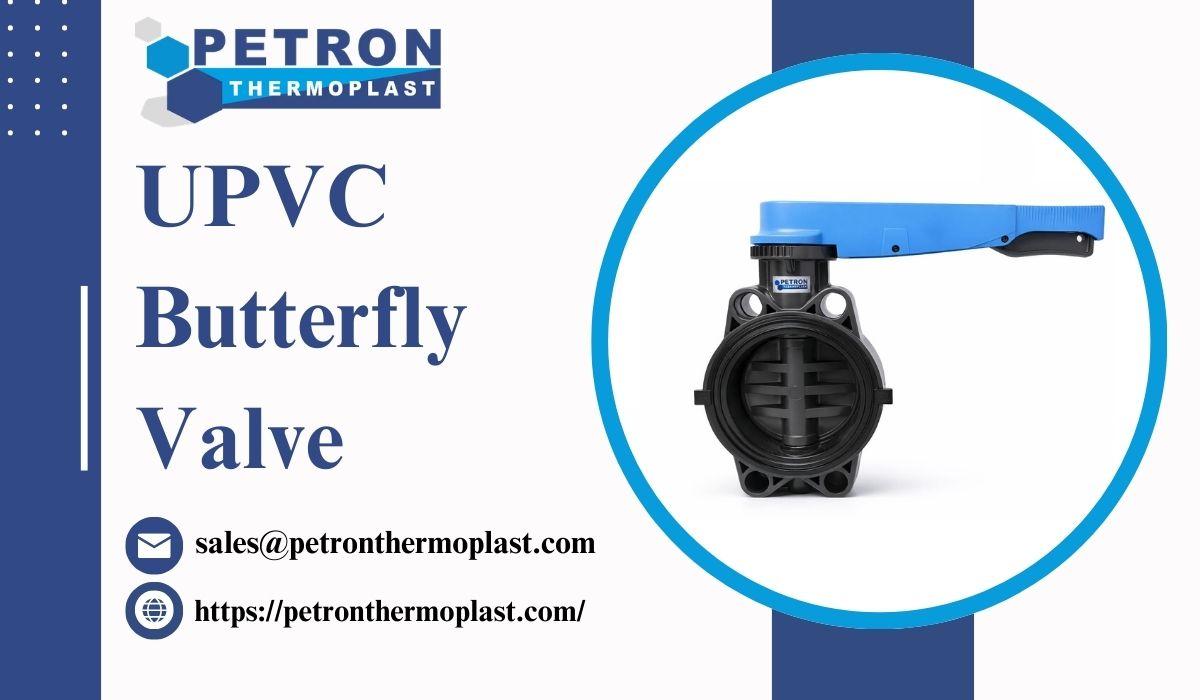
In modern industrial environments, chemical piping systems require components that offer durability, corrosion resistance, and reliable flow control. Among the most widely used valve types in such systems is the UPVC Butterfly Valve, known for its lightweight design, chemical resistance, and cost-effective performance. Industries handling aggressive chemicals, acids, and corrosive fluids depend on high-quality valves that can operate continuously without failure. A Premium UPVC Butterfly Valve is specifically engineered to meet these demanding requirements.
This article explores the features, advantages, applications, and benefits of using premium UPVC butterfly valves in chemical piping systems.
Understanding UPVC Butterfly Valves
A UPVC Butterfly Valve is a quarter-turn valve designed to regulate or isolate fluid flow in pipelines. The valve operates using a rotating disc mounted on a central shaft. When the disc rotates 90 degrees, it either allows fluid to pass through or blocks the flow completely.
UPVC (Unplasticized Polyvinyl Chloride) is a rigid thermoplastic widely used in industrial piping systems because of its excellent resistance to corrosion, chemicals, and environmental degradation. When used in butterfly valves, UPVC provides a strong yet lightweight solution for demanding industrial processes.
These valves are commonly installed in chemical plants, water treatment facilities, pharmaceutical units, and various industrial fluid handling systems.
Key Features of Premium UPVC Butterfly Valves
High-quality UPVC butterfly valves are designed with precision engineering to deliver long service life and consistent performance.
1. Excellent Chemical Resistance
UPVC material is highly resistant to a wide range of acids, alkalis, and corrosive chemicals. This makes it an ideal choice for chemical processing plants where metal valves may corrode over time.
2. Lightweight Construction
Compared to metal valves, UPVC butterfly valves are significantly lighter. This makes installation easier and reduces stress on piping systems.
3. Smooth Flow Characteristics
The streamlined internal design minimizes pressure drop and ensures efficient fluid movement through the pipeline.
4. Corrosion-Free Operation
Unlike metal valves that require coatings or treatments, UPVC valves naturally resist corrosion, ensuring long-term reliability.
5. Leak-Proof Sealing
Premium butterfly valves are designed with high-quality sealing mechanisms that prevent leakage even in high-pressure systems.
6. Simple Quarter-Turn Operation
The valve can be fully opened or closed with a simple 90-degree rotation, making operation quick and convenient.
7. Low Maintenance Requirements
UPVC valves do not rust, scale, or degrade easily, which significantly reduces maintenance costs and downtime.
Advantages of Using UPVC Butterfly Valves in Chemical Piping Systems
Chemical processing environments require valves that can withstand harsh conditions while maintaining operational efficiency. Premium UPVC butterfly valves offer several advantages.
Superior Corrosion Protection
Chemical plants frequently deal with aggressive fluids that can quickly damage metal components. UPVC provides natural resistance to chemical attack, making it a reliable material for such environments.
Cost-Effective Solution
Compared to stainless steel or exotic alloy valves, UPVC butterfly valves provide excellent performance at a much lower cost, making them ideal for large-scale industrial piping systems.
Easy Installation
Due to their lightweight design and simple structure, UPVC butterfly valves can be installed quickly with minimal effort.
Long Service Life
When used within their recommended pressure and temperature limits, premium UPVC valves can operate efficiently for many years.
Smooth Flow Control
The rotating disc mechanism allows precise control over fluid flow, which is essential in chemical processing operations.
Applications of UPVC Butterfly Valves in Chemical Industries
UPVC butterfly valves are widely used across different industries where chemical resistance and durability are essential.
Chemical Processing Plants
Chemical manufacturing facilities use these valves to control the flow of acids, alkalis, solvents, and other reactive fluids.
Water Treatment Facilities
Water treatment plants utilize UPVC valves for controlling water flow in filtration, chemical dosing, and purification systems.
Pharmaceutical Manufacturing
Pharmaceutical industries require corrosion-resistant piping systems to maintain high levels of hygiene and process integrity.
Fertilizer Production
Fertilizer plants handle corrosive chemical mixtures that require durable valves for safe fluid management.
Industrial Effluent Treatment
Wastewater treatment systems often contain corrosive substances, making UPVC butterfly valves a suitable choice for long-term operation.
Food and Beverage Industry
In certain non-critical chemical handling applications within food processing systems, UPVC valves provide reliable performance.
Important Components of a UPVC Butterfly Valve
A premium UPVC butterfly valve consists of several key components that work together to ensure efficient flow control.
Valve Body – The outer structure that houses all internal components and connects to the piping system.
Disc – The rotating component that regulates fluid flow by opening or closing the passage.
Stem (Shaft) – Connects the actuator or handle to the disc and allows rotation.
Seat – Provides sealing between the disc and valve body to prevent leakage.
Handle or Actuator – Used to operate the valve manually or automatically.
These components are carefully designed and manufactured to provide reliable and leak-free performance in demanding industrial environments.
Why UPVC is Ideal for Chemical Piping Systems?
UPVC has become one of the most preferred materials for chemical piping systems due to its unique properties.
Chemical Stability
UPVC maintains its structural integrity even when exposed to aggressive chemicals and acids.
Non-Contaminating Material
The material does not react with most chemicals, ensuring the purity of fluids in the pipeline.
High Strength-to-Weight Ratio
UPVC offers excellent mechanical strength while remaining lightweight.
Low Thermal Conductivity
This property helps maintain fluid temperature stability within the piping system.
Environmental Resistance
UPVC is resistant to UV radiation, weathering, and environmental degradation.
These characteristics make UPVC butterfly valves a reliable choice for industrial chemical systems.
Installation Considerations for UPVC Butterfly Valves
Proper installation ensures optimal valve performance and longevity.
Correct Alignment
The valve must be aligned correctly with the pipeline to prevent leakage or operational issues.
Proper Torque Application
Over-tightening bolts can damage the valve body or flange connections, so recommended torque values should always be followed.
Suitable Pressure and Temperature Limits
UPVC valves should always be operated within the manufacturer's specified pressure and temperature ranges.
Regular Inspection
Periodic inspection ensures the valve continues to function properly and prevents unexpected failures.
Maintenance Tips for Long Valve Life
Although UPVC butterfly valves require minimal maintenance, a few simple practices can help extend their lifespan.
- Regularly check for leaks or loose connections.
- Clean the valve periodically to remove chemical residues.
- Inspect seals and seats for signs of wear.
- Ensure smooth operation of the handle or actuator.
- Replace damaged components promptly.
These basic maintenance practices ensure reliable operation for years.
Choosing the Right UPVC Butterfly Valve Supplier
Selecting a trusted manufacturer or supplier is crucial to ensure product quality and system reliability. When choosing a supplier, consider the following factors:
- Manufacturing expertise and industry experience
- Compliance with international quality standards
- Availability of multiple valve sizes and pressure ratings
- Customization capabilities for industrial requirements
- Technical support and after-sales service
Working with an experienced supplier ensures that the valves meet the demanding requirements of chemical processing industries.
Why Choose Petron Thermoplast for UPVC Butterfly Valves?
Petron Thermoplast is a trusted name in the industrial piping and plastic engineering industry. The company offers high-quality UPVC butterfly valves designed to meet the rigorous demands of chemical processing plants and industrial piping systems.
Key advantages of choosing Petron Thermoplast include:
- High-precision manufacturing and quality control
- Durable and corrosion-resistant UPVC materials
- Wide range of valve sizes and configurations
- Reliable performance in chemical applications
- Competitive pricing with superior quality
With extensive experience in industrial plastic solutions, Petron Thermoplast provides products that deliver efficiency, safety, and long service life.
Conclusion
Premium UPVC butterfly valves have become an essential component in modern chemical piping systems. Their corrosion resistance, lightweight structure, cost efficiency, and reliable performance make them ideal for handling aggressive chemicals and industrial fluids.
From chemical processing plants to wastewater treatment systems, these valves play a vital role in ensuring safe and efficient fluid management. By selecting high-quality valves from trusted manufacturers like Petron Thermoplast, industries can improve operational reliability while reducing maintenance and replacement costs.
As industrial processes continue to evolve, premium UPVC butterfly valves will remain a preferred solution for chemical piping systems that demand durability, efficiency, and long-term performance.
Κατηγορίες
Διαβάζω περισσότερα
Lyme disease can be a complex health challenge that affects individuals differently. While many people recover after conventional treatment, others continue to experience symptoms such as fatigue, joint discomfort, brain fog, sleep disturbances, and reduced quality of life. As a result, many patients begin exploring complementary wellness approaches to support their recovery journey. One common...
A clean car creates a great first impression and makes every drive more enjoyable. If you are searching for a quick, reliable, and professional car wash, auto wash near me in Chula Vista is an excellent choice. Located at 2115 Olympic Pkwy, Chula Vista, this convenient car wash provides fast exterior cleaning that helps keep your vehicle looking bright, clean, and well cared...

Dental treatment in Turkey is one of the most popular healthcare tourism trends of our time. Thousands of UK patients are increasingly planning treatments abroad every year, and Turkey is always in the top ten destinations. What fuels this momentum gives a clear understanding of the quality, affordability and a true welcoming patient experience. A Strong Combination of Cost and Clinical...

Hall effect teslameters are precision instruments designed to measure magnetic field strength using Hall effect sensing technology. These devices are widely utilized across industrial automation, electronics manufacturing, automotive systems, scientific research, aerospace, and healthcare applications for accurate magnetic field analysis and monitoring. Their ability to deliver real-time...

Summary Diablo 4 Season 14 introduces four dominant starter classes—Barbarian, Druid, Necromancer, and Warlock—each offering powerful leveling paths and explosive endgame scaling. From speed-leveling to 70 in under two hours to mythic-tier boss melting builds, this season emphasizes fast progression, strong uniques Diablo 4 Gold, and flexible build transitions into high-tier...
