Beyond the Grid: The Strategic Evolution of the Autonomous Energy Systems Market

The global energy map is currently undergoing its most radical transformation since the Industrial Revolution. As of mid-March 2026, the reliance on centralized, vulnerable power grids is being systematically dismantled in favor of resilient, self-healing networks. At the heart of this shift is the Autonomous Energy Systems Market, which has transitioned from a niche experimental sector into a cornerstone of national security and economic survival. While maritime corridors face the constant threat of blockade and kinetic strikes, autonomous systems—driven by agentic AI and decentralized microgrids—provide a "invisible" infrastructure that can maintain power even when the broader grid is compromised. In a 2026 landscape defined by high-stakes geopolitics, the ability to generate, store, and distribute energy without human intervention is no longer a luxury; it is the ultimate insurance policy.
The Rise of Agentic AI and Self-Healing Microgrids
Modern autonomous energy systems in 2026 are defined by the integration of Agentic AI. Unlike standard automation, these systems utilize autonomous software agents that can plan and execute multi-step actions with limited supervision. These "digital operators" monitor the health of solar arrays, battery storage units, and wind turbines in real-time, predicting mechanical failures before they occur and rerouting energy flow instantaneously to bypass damaged nodes.
This "self-healing" capability is particularly critical for mission-critical infrastructure such as hospitals, data centers, and military installations. In the Asia-Pacific region, which currently leads the global market share, large-scale industrial parks are now operating on DC microgrids that offer a higher level of efficiency and stability for digital ecosystems. By utilizing Digital Twin technology, these systems can simulate "what-if" scenarios—such as a sudden loss of a primary transmission line—and implement a recovery plan in milliseconds.
Geopolitical Aftershocks: The US-Israel-Iran War
The energy landscape of March 16, 2026, is dominated by the fallout from the US-Israel-Iran war. Following coordinated military strikes that intensified on February 28, 2026, the conflict has paralyzed conventional maritime energy transit and highlighted the extreme fragility of the centralized grid.
-
The Chokepoint Crisis and Energy Autonomy: With the Strait of Hormuz effectively closed to commercial shipping, approximately 21 million barrels of petroleum per day have been removed from the global market. This maritime blockade has sent oil prices surging past $115 per barrel, but more importantly, it has sparked a global rush toward energy independence. Nations that were previously dependent on imported LNG for power generation are now fast-tracking the deployment of autonomous microgrids to decouple their domestic economies from the volatile Middle Eastern theater.
-
Infrastructure as a Target: The war has proven that centralized power plants and ultra-high-voltage transmission lines are high-value targets. Retaliatory drone strikes have taken massive amounts of generating capacity offline in the Gulf region. In response, Israel and its allies have accelerated a roadmap for decentralized electricity systems, aiming to connect over 10,000 megawatts of additional renewable energy facilities that can operate in "islanded mode" during emergencies.
-
Autonomous Defense of Energy Assets: The conflict has also seen the first large-scale deployment of autonomous mine-hunting vessels and AI-driven cybersecurity agents to protect subsea energy cables and pipelines. In the downstream sector, autonomous energy systems are being used to power remote surveillance and defense nodes, ensuring that critical assets remain protected even when the primary command-and-control infrastructure is under electronic warfare assault.
From CAPEX to MaaS: The Financial Shift
One of the most significant trends in the 2026 market is the pivot from high-CAPEX ownership to Microgrid-as-a-Service (MaaS). Large conglomerates like Schneider Electric, Siemens Energy, and ABB are increasingly offering autonomous systems through Power Purchase Agreements (PPAs). This allows commercial and industrial sectors to achieve energy autonomy without the massive upfront investment, a critical factor in a year marked by war-driven inflation and high interest rates.
These "as-a-service" models include continuous AI updates, ensuring that the system's defensive and optimization algorithms stay ahead of evolving cyber threats. As of today, mission-critical sectors where downtime represents a significant financial or security risk have become the primary adopters of these autonomous solutions, creating a robust, decentralized backbone for the global economy.
The Hydrogen Convergence
Beyond solar and wind, 2026 has seen the emergence of solar-hydrogen microgrids. These systems use excess renewable energy to power electrolyzers, producing hydrogen that can be stored and reconverted to electricity during periods of low production. In high-altitude or remote terrain, such as the Ladakh region, these autonomous hydrogen systems have begun replacing diesel generators, eliminating the need for vulnerable fuel transport convoys and significantly reducing the logistical footprint of remote operations.
Conclusion: A Sentinel for the New Global Order
The autonomous energy systems market is the quiet sentinel of the 2026 energy revolution. It lacks the visual drama of massive refineries or supertankers, but its reliability and strategic "fixedness" make it indispensable during periods of global crisis. While the US-Israel-Iran war has introduced severe logistical hurdles and threatened traditional energy corridors, it has also definitively proven the inherent weakness of a centralized, maritime-dependent model. As we navigate the remainder of the decade, the ability to maintain a self-sustaining energy pulse through autonomous networks will be the primary metric by which we measure a nation’s economic and military endurance.
More Related Reports
US Dual Fuel Engine Market Updates
US Air Operated Double Diaphragm Pumps Market Updates
US Oil Gas Refining Industry Market Updates
Catégories
Lire la suite
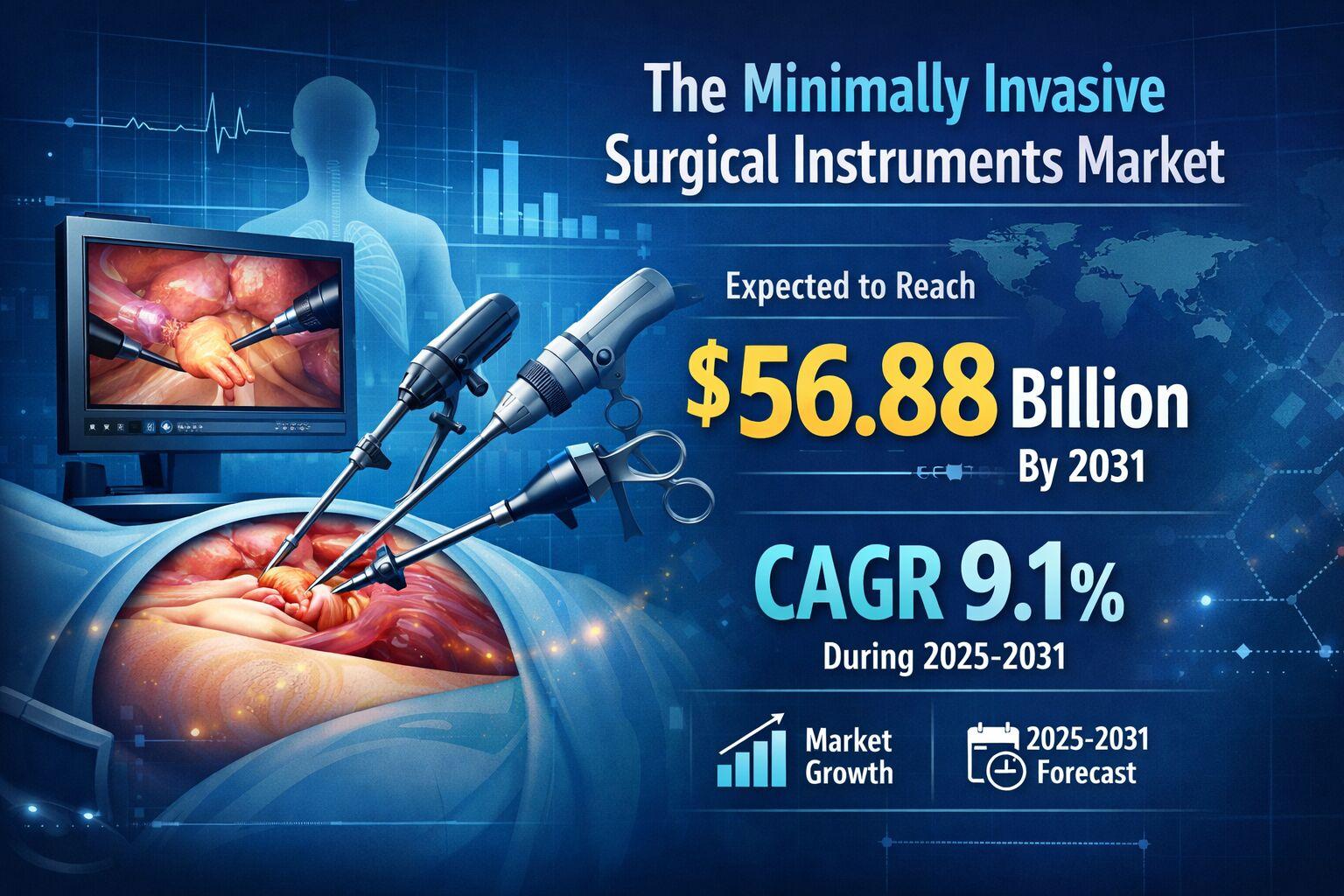
The growth of the Minimally invasive surgical instruments industry is fueled by increasing surgical volumes and the need for faster recovery solutions. Hospitals and clinics are investing in advanced instruments to improve procedural efficiency. Minimally Invasive Surgical Instruments Market Overview The Minimally Invasive Surgical Instruments Market is projected to reach...
Price Capital Group is a commercial real estate investment firm focused on funding and acquiring income producing properties across Florida. We work with investors seeking structured opportunities backed by real assets, predictable cash flow, and long term value creation. Our platform is built on disciplined analysis, conservative assumptions, and market driven decision making. We believe...

Introduction: The Rise of Women’s Football in FC 26 FC 26 showcases a strong dedication to diversity by incorporating women’s football into its gameplay. Players can select from a variety of women’s teams and athletes, bringing new dimensions to their gaming experience. This inclusion allows fans to engage with football through the lens of female players, broadening the scope...

Introduction Sleep is one of the most important aspects of maintaining good health, yet many people overlook the importance of a quality pillow. Poor sleep can lead to fatigue, stress, neck pain, and decreased productivity. One simple way to improve your sleep and overall health is by upgrading your pillow. The Rose Deep Rest Memory Foam Pillow is designed to provide superior comfort and...

Content. Alexander Wang shorts and Ice Cream shorts represent two different sides of modern streetwear. While both offer comfort and style, their approach to design and expression sets them apart, making each ideal for a different type of fashion aesthetic. Alexander Wang ShortsAlexander Wang shorts are known for their clean, minimal look that blends luxury with streetwear. They often...