


Forklift Parts: Keeping Your Material Handling Equipment Running Smoothly
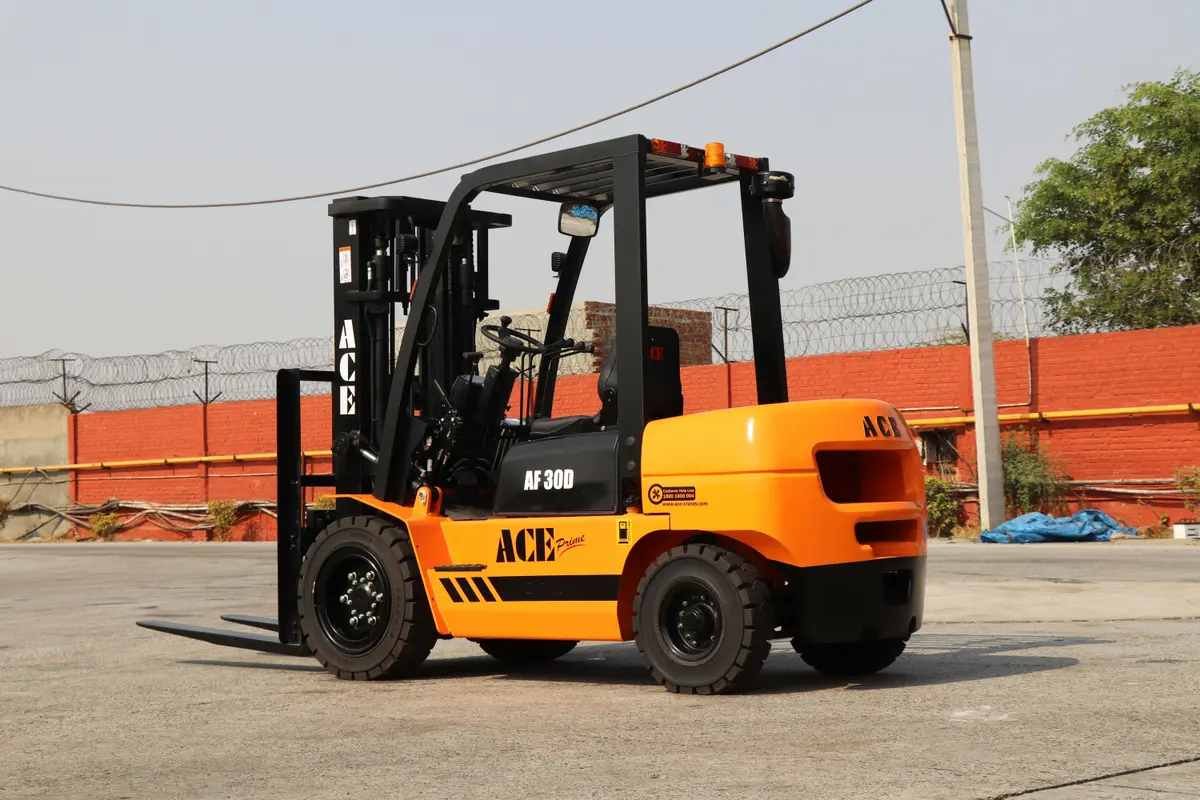
Forklifts are essential machines for warehouses, distribution centers, factories, construction sites, and industrial facilities. These powerful vehicles handle heavy loads, improve productivity, and keep operations moving. But like any mechanical equipment, forklifts require regular maintenance and occasional replacement components to stay reliable. That’s where quality forklift parts come into play.
Whether you manage a single machine or an entire fleet, having access to dependable parts ensures your forklifts operate safely, efficiently, and with minimal downtime. This guide explains why forklift parts matter, the most common components you’ll need, and how to choose the right supplier.
Why Quality Forklift Parts Matter
Understanding the importance of quality Forklift Parts starts with recognizing how crucial each component is to overall performance. Inferior or incompatible parts can:
Reduce operational efficiency
Increase the risk of equipment failure
Compromise safety for operators and staff
Lead to costly repairs down the road
Shorten the machine’s overall lifespan
Using high‑quality parts helps ensure your forklifts perform as intended, last longer, and require fewer disruptive repairs.
Common Types of Forklift Parts
Forklifts are complex machines with mechanical, hydraulic, and electrical systems. Here are the most essential parts businesses need:
1. Batteries and Chargers
Electric forklifts depend on durable batteries and proper charging systems. Over time, batteries lose capacity and must be replaced. Quality chargers ensure battery health and longer service life.
2. Tires and Wheels
Tire condition directly affects stability, traction, and performance. Forklift tires come in several types, including cushion, pneumatic, and solid rubber. Choosing the right type for your environment helps maintain smooth operation.
3. Filters and Fluids
Hydraulic, engine, and air filters protect internal systems from contaminants. Regular replacement of filters and fluids helps maintain optimal performance and prevents premature component wear.
4. Brake Components
Brakes are critical for forklift safety. Brake pads, drums, shoes, and lines wear out over time and should be replaced promptly to maintain stopping power and prevent accidents.
5. Hydraulic Hoses and Seals
Hydraulic systems power lifting and steering functions. Hoses and seals may wear out from pressure and movement. Replacing them when worn prevents leaks and maintains performance.
6. Mast and Chain Components
Mast assemblies and lift chains are under constant load. Worn chains, rollers, or bearings can cause jerky movements or unsafe operations and should be replaced when necessary.
7. Electrical Parts and Sensors
Modern forklifts use sensors, display panels, wiring harnesses, and control modules that help operators understand machine status. Faulty electrical parts can lead to unexpected performance issues or downtime.
8. Transmissions and Drive Components
Transmission parts, bearings, gears, and clutches play key roles in moving and lifting loads. Replacing worn drive components keeps power transfer smooth and efficient.
Choosing Between OEM and Aftermarket Forklift Parts
When ordering replacement parts, you’ll typically encounter two main categories:
OEM (Original Equipment Manufacturer) Parts
OEM parts are made by the original forklift manufacturer and designed specifically for your machine. These offer:
Guaranteed fit and compatibility
Predictable performance
Manufacturer support and warranty
OEM parts often cost more but provide peace of mind and long‑term reliability.
Aftermarket Parts
Aftermarket parts are made by third‑party manufacturers. They can offer:
Lower cost
Broader availability
Comparable quality when sourced from reputable brands
When choosing aftermarket parts, ensure they meet quality standards and are compatible with your forklift model.
How to Choose the Right Forklift Parts Supplier
Finding a reliable supplier makes a significant difference in uptime and maintenance planning. When selecting a supplier for forklift parts, look for:
1. Wide Inventory Availability
A supplier with a large inventory saves you time waiting for orders and helps avoid costly downtime.
2. Expert Support and Parts Identification
Experienced parts specialists can help you identify the correct parts based on forklift model, serial number, or maintenance records.
3. Fast Delivery Options
Same‑day or next‑day delivery minimizes idle time and keeps your maintenance schedule on track.
4. Genuine and Trusted Components
Choose suppliers who stock OEM parts or high‑quality aftermarket alternatives from reputable brands.
5. Transparent Pricing
Clear pricing with no hidden fees helps you manage budgets and plan maintenance costs more effectively.
Tips for Maintaining a Forklift Parts Inventory
Whether you manage one forklift or a fleet, maintaining a strategic parts inventory helps reduce repair delays. Consider these tips:
Track Common Wear Parts
Frequently replaced items such as filters, brake pads, lights, and hoses should always be in stock. This ensures quick repairs without waiting for deliveries.
Monitor Maintenance History
Track your maintenance and repair records to understand wear patterns. Knowing which parts fail most often helps you stock them proactively.
Organize Parts Logically
Clearly labeled shelves and organized storage make it easier for technicians to find parts and perform repairs quickly.
Partner with a Trusted Supplier
A reliable parts provider can offer reorder reminders, priority shipping, and help you forecast parts needs based on usage patterns.
Installation and Repair Services
Some forklift parts suppliers also provide installation and repair services. If your supplier offers service support, you can benefit from:
Professional part installation
Diagnostic services to identify underlying issues
Warranty coverage on parts and labor
Scheduled maintenance programs
Having a single provider handle both parts and service streamlines repairs and optimizes uptime.
Cost Considerations for Forklift Parts
Prices for forklift parts vary based on several factors:
1. Part Type
Consumables like filters and brake pads are less expensive than major components like transmissions or hydraulic pumps.
2. Quality and Brand
OEM parts typically cost more than aftermarket options, but they often last longer and perform more consistently.
3. Urgency of Delivery
Expedited shipping or emergency orders can increase total cost. Planning ahead helps reduce these expenses.
4. Installation Costs
If parts are installed professionally, labor charges should be factored into the total cost of repair or maintenance.
Considering these elements helps you budget wisely and avoid unexpected expenses.
Common Mistakes to Avoid When Buying Forklift Parts
Avoid these pitfalls to protect your equipment and budget:
Ordering Parts Without Verifying Fit
Always confirm part numbers and model compatibility before ordering. Incorrect parts waste time and money.
Choosing Based on Price Alone
Lowest price does not always equal best value. Poor‑quality parts can fail prematurely and lead to additional repairs.
Ignoring Supplier Credentials
A quick search for supplier reviews and reputation helps ensure reliability and post‑purchase support.
Neglecting Preventive Maintenance Planning
Failing to stock common parts can delay repairs and increase downtime when breakdowns occur.
Conclusion
Forklift parts are essential to keeping your material handling equipment safe, reliable, and productive. From batteries and tires to hydraulic hoses and electrical components, quality parts help prevent downtime, extend the life of your machines, and ensure safe operations. Choosing the right supplier with a wide inventory, expert support, and fast delivery keeps your maintenance program running smoothly.
Proper parts management — combined with scheduled inspections and professional installation — helps businesses reduce costs, avoid delays, and maintain a high‑performing fleet that supports growth and success.
Категории
Больше
"Regional Overview of Executive Summary Middle East and Africa Ovarian Cancer Diagnostics Market by Size and Share Data Bridge Market Research analyses that the market is growing with a CAGR of 6.1% in the forecast period of 2023 to 2030 and is expected to reach USD 438.80 million by 2030 from USD 274.52 million in 2022. It is the necessity of this rapidly changing marketplace to...

Benefits of Using Certification Exam Preparation Material Certification exams help people grow in their careers. They help you get better jobs. They also help you earn more money. Many students want to pass the C2090-011 exam on the first attempt. This exam is offered by IBM. However, exam preparation can feel difficult. There are many books to read and many topics to cover. This is why using...

1. Welcome to the Future of Online Gaming In today’s fast-paced digital world, online gaming has evolved far beyond simple entertainment. It now blends strategy, competition, and real-time engagement into one immersive experience. This is where SdPunt steps in as a powerful platform that merges gaming excitement with predictive intelligence. Not only does it offer...

Understanding Different Types of Work Before selecting any tool, you must understand what type of work you are doing. CNC machines are used for many operations like cutting, drilling, milling, engraving, and finishing. Each task needs a different type of tool. For example, cutting soft materials like wood is very different from cutting hard metals like steel. Wood needs sharp and fast-moving...
The global Smart Automotive Load Switch Market, valued at a robust US$ 1118 million in 2024, is on a trajectory of significant expansion, projected to reach US$ 1694 million by 2032. This growth, representing a compound annual growth rate (CAGR) of 6.2%, is detailed in a comprehensive new report published by Semiconductor Insight. The study highlights the critical role of these advanced...
