


Manhole Boxes: Secure and Efficient Solutions for Underground Access and Worker Safety
Construction and utility projects often require safe access to underground infrastructure such as sewer lines, storm drains, electrical conduits, and water mains. Enter manhole boxes essential safety devices designed to create a secure work area beneath the ground while protecting workers from soil collapse and hazardous conditions.
Unlike trench boxes, which are used primarily in linear excavations, Manhole Boxes are engineered for larger and often square or rectangular excavation openings. They create a stable environment for crews to enter and work in deep pits safely. Choosing the right manhole box system directly impacts project efficiency, compliance with safety standards, and the well‑being of personnel.
This comprehensive guide explains what manhole boxes are, how they work, their benefits, common applications, key safety considerations, and best practices for installation and maintenance.
What Are Manhole Boxes?
Manhole boxes, also known as manhole shields or trench box extensions designed specifically for large vertical excavations, are robust protective systems that provide a secure working zone inside deeper or wider excavations. These systems are typically used when workers must descend below ground level into a confined location to install or maintain underground utilities.
Manhole boxes create a stable structure within excavation walls, preventing soil from collapsing inward. They also provide a safe platform for personnel and equipment to work efficiently below grade.
How Manhole Boxes Work
Manhole boxes are constructed with steel or aluminum side walls and rigid bracing systems that span the excavation width and depth. These side walls are connected using adjustable spreaders which maintain consistent separation and structural integrity.
Once the excavation is dug to the required depth and width, the manhole box is lowered into place by appropriate lifting equipment. The box forms a protective enclosure around the work area, allowing personnel to operate safely without exposing themselves to unstable trench walls.
Key Components of Manhole Boxes
Side Panels
Heavy‑duty steel or aluminum walls that form the protective barrier against soil collapse.
Spreaders
Adjustable braces that maintain separation between panels and ensure structural stability.
Corner Support
Reinforced components that provide strength at critical connection points.
Lifting Eyes or Hooks
Secure lifting points for safe and controlled lowering into excavations.
Benefits of Using Manhole Boxes
Enhanced Worker Safety
Manhole boxes provide reliable protection against soil cave‑ins, reducing the risk of serious injuries and creating a controlled workspace.
Compliance with Safety Standards
Safety regulations require protective systems for deep excavations and underground access points. Properly rated manhole boxes help contractors meet these requirements.
Efficient Project Execution
By creating a secure work zone quickly, manhole boxes reduce setup time and allow crews to focus on the task at hand.
Reusable and Durable
High‑quality manhole boxes are designed for repeated use across multiple projects, offering long‑term value and performance.
Versatility in Varied Soil Conditions
Manhole boxes are engineered to adapt to different soil types and trench depths when selected and installed correctly.
Common Applications
Manhole boxes are widely used in various underground projects, including:
Installation of sewer and stormwater systems
Maintenance of water mains and pipelines
Electrical utility installation and repair
Telecommunication conduit access
Pump station and vault construction
Manhole rehabilitation work
These systems provide the necessary protective environment for both installation and maintenance tasks requiring significant below‑ground access.
Choosing the Right Manhole Box
Proper selection of a manhole box system depends on the specifics of the project:
Excavation depth
Soil classification and lateral pressure
Width and shape of the excavation opening
Load conditions on the surface (e.g., nearby traffic or structures)
Equipment handling capacity
A competent person must evaluate these factors to determine the correct manhole box size and rating. Using a system that is under‑rated for the job can compromise safety and violate regulatory requirements.
Safety and Compliance
Safety standards require protective systems in trenches and excavations deeper than specified thresholds. A competent person must assess soil conditions, determine protective system needs, and ensure proper installation. Manhole boxes are engineered to meet or exceed these requirements when correctly specified and installed.
Installation Best Practices
Proper installation ensures the manhole box will perform as intended:
Excavate the area to required width and depth.
Verify soil conditions and determine the appropriate box rating.
Secure lifting equipment and lower the manhole box into position.
Ensure spreaders are adjusted correctly and secure connections are in place.
Confirm stable placement before personnel enter the workspace.
Inspect soil conditions and box stability periodically, especially after weather events or heavy equipment use.
Only trained and authorized personnel should install or adjust manhole protection systems.
Maintenance and Inspection
Routine maintenance enhances performance and safety:
Check side panels for dents, bends, cracks, or signs of stress.
Inspect spreaders for wear or deformation.
Confirm that lifting points and hardware are intact and secure.
Clean soil and debris after each use to prevent corrosion or hidden damage.
Document maintenance and inspections for compliance and record‑keeping.
Damaged or compromised components must be repaired or replaced before the next use.
Avoiding Common Mistakes
Incorrect use or inadequate inspection can undermine safety:
Attempting to use a manhole box that is not rated for specific depth or soil conditions
Failing to classify soil properly
Allowing workers inside before the system is fully secured
Ignoring daily inspection protocols
Improper lifting and installation procedures
Avoiding these mistakes helps protect workers and keeps projects compliant and efficient.
Rental vs Purchase Considerations
Contractors often decide between renting and purchasing based on project frequency and financial planning:
Rental Advantages
Lower initial cost
No long‑term storage requirements
Maintenance and service often included
Purchase Advantages
Long‑term cost efficiency for frequent use
Immediate availability
Full control over equipment scheduling
For companies frequently working in underground access projects, ownership may prove more economical, while occasional users benefit from rental flexibility.
Advantages in Urban Work Environments
In urban construction or municipal repair jobs, manhole boxes help maintain traffic flow and site access while protecting workers below ground. Their controlled workspace reduces risk during utility line installations or repair operations near streets, sidewalks, and busy intersections.
Conclusion
Manhole boxes are vital safety systems for construction and utility projects that require secure access to underground infrastructure. By providing a stable, protected environment for workers below grade, these systems help reduce risks, improve efficiency, and ensure compliance with safety regulations.
Choosing the correct manhole box based on excavation depth, soil conditions, and project requirements is essential to maximizing protection and performance. Regular inspections, proper maintenance, and adherence to safety standards further enhance reliability and long‑term value.
For contractors and project managers who handle deep excavation or underground access work, manhole boxes provide dependable protection, operational success, and peace of mind throughout every stage of the project.
Categories
Read More
The landscape of private client work is shifting beneath our feet. As we move through 2026, the demand for wills and probate solicitors UK has reached a critical juncture, driven by a combination of intergenerational wealth transfer and increasingly complex family structures. For legal professionals, the challenge is no longer just providing technical excellence; it is about...

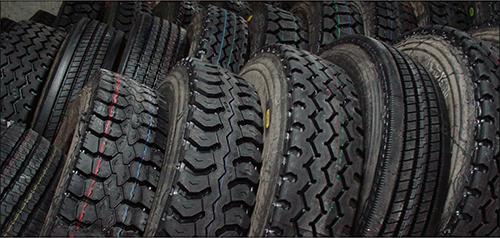
According to TechSci Research report, “Brazil Retreading Tire Market – By Region, Competition, Opportunities and Forecast, 2020–2030F”, the Brazil retreading tire market was valued at USD 9.5 billion in 2024 and is projected to reach USD 16.2 billion by 2030, expanding at a robust CAGR of 9.2% during the forecast period. This impressive growth trajectory...
The online betting industry in India has witnessed tremendous growth over the past few years, with millions of users turning to digital platforms for sports wagering, casino gaming, and real-time entertainment. Amid this rapid expansion, Fairplay Pro has emerged as one of India’s most trusted, reliable, and user-friendly betting platforms. Whether it’s cricket...

The global pulp vitality testers market is experiencing robust growth, driven primarily by the increasing prevalence of dental diseases and the rising demand for accurate diagnosis of dental pulp health. Technological advancements have led to the development of more precise, portable, and user-friendly testing devices, including digital models with enhanced data management and...

As per Market Research Future, the Mini And Midi Horizontal Directional Drilling Market Growth is poised for significant expansion in the coming years, driven by increasing urbanization, the need for efficient underground utility installations, and the rising adoption of trenchless technology. Horizontal directional drilling (HDD) has emerged as a critical method in the construction and utility...