


Why Every Home Needs a Residential Water Softener System
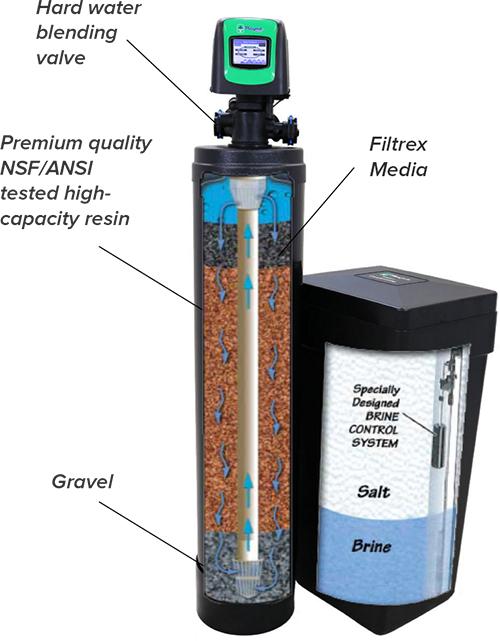
Hard water is a common issue in many households, affecting everything from plumbing systems to personal comfort. A residential water softener system offers an effective solution by removing excess minerals like calcium and magnesium that cause hardness. By installing the right system, homeowners can enjoy better water quality, improved appliance efficiency, and enhanced daily living.
In this comprehensive guide, we’ll explore how a residential water softener system works, its benefits, types, installation considerations, and tips for choosing the right one for your home.
What Is a Residential Water Softener System?
A residential water softener system is a filtration device designed to reduce water hardness by removing dissolved minerals. Hard water contains high levels of calcium and magnesium, which can cause scaling, soap inefficiency, and damage to plumbing and appliances.
Water softeners typically use a process called ion exchange, where tough minerals are replaced with sodium or potassium ions. This transformation results in softer water that is gentler on your home and body.
How Does a Residential Water Softener System Work?
Understanding how a residential water softener system operates can help you appreciate its value. The system consists of three main components:
1. Mineral Tank
This is where the actual softening takes place. Resin beads inside the tank attract and capture calcium and magnesium ions from the water.
2. Brine Tank
The brine tank holds a salt solution used to regenerate the resin beads. When the beads become saturated with minerals, the system flushes them with brine to restore their effectiveness.
3. Control Valve
The control valve regulates the flow of water and determines when the system needs regeneration based on usage or time.
As hard water passes through the system, minerals are removed, and softened water flows into your home’s plumbing.
Benefits of Installing a Residential Water Softener System
A residential water softener system provides a wide range of benefits that go beyond just improving water quality.
1. Protects Plumbing and Appliances
Hard water causes mineral buildup inside pipes and appliances like dishwashers and washing machines. A residential water softener system helps prevent scaling, extending the lifespan of your equipment.
2. Improves Cleaning Efficiency
Soft water allows soaps and detergents to lather more effectively, resulting in cleaner dishes, brighter laundry, and less soap usage.
3. Enhances Skin and Hair Health
Hard water can leave skin feeling dry and hair looking dull. A residential water softener system provides gentler water, improving overall personal care.
4. Reduces Energy Costs
Appliances that use water operate more efficiently without scale buildup. This can lead to lower energy consumption and reduced utility bills.
5. Eliminates Stains and Residue
Hard water often leaves white spots on dishes and fixtures. Soft water helps maintain a cleaner and more polished appearance throughout your home.
Types of Residential Water Softener Systems
Choosing the right residential water softener system depends on your household needs and water conditions. Here are the most common types:
1. Salt-Based Water Softeners
These are the most widely used systems. They use ion exchange to remove minerals and require periodic salt refills.
2. Salt-Free Water Conditioners
Instead of removing minerals, these systems alter their structure to prevent scaling. They are low-maintenance but may not be as effective in areas with very hard water.
3. Dual-Tank Systems
Ideal for larger households, dual-tank residential water softener systems provide continuous soft water by alternating between two tanks.
4. Magnetic or Electronic Softeners
These systems use electromagnetic waves to change mineral behavior. They are easy to install but may offer limited effectiveness.
Signs You Need a Residential Water Softener System
If you’re unsure whether your home needs a residential water softener system, watch for these common signs:
-
White scale buildup on faucets and showerheads
-
Soap scum in sinks, tubs, and dishes
-
Dry, itchy skin after bathing
-
Stiff or dull laundry
-
Reduced water pressure due to pipe scaling
-
Frequent appliance repairs
If you notice any of these issues, installing a residential water softener system could significantly improve your water quality.
How to Choose the Right Residential Water Softener System
Selecting the best residential water softener system requires careful consideration of several factors:
1. Water Hardness Level
Test your water to determine the level of hardness. This will help you choose a system with the right capacity.
2. Household Size
Larger households require systems with higher grain capacity to handle increased water usage.
3. System Capacity
Capacity is measured in grains per gallon (GPG). Choose a residential water softener system that can handle your daily water consumption.
4. Regeneration Type
Systems may regenerate based on time or actual usage. Demand-based systems are more efficient and conserve water and salt.
5. Maintenance Requirements
Consider how often the system needs salt refills, cleaning, or servicing.
Installation and Maintenance Tips
Proper installation and maintenance are essential for maximizing the performance of your residential water softener system.
Installation Tips
-
Install the system near the main water supply line.
-
Ensure proper drainage for regeneration cycles
-
Consider professional installation for optimal setup
Maintenance Tips
-
Regularly check and refill the salt level.
-
Clean the brine tank periodically.
-
Inspect the system for leaks or malfunctions
-
Schedule annual servicing for long-term efficiency
By maintaining your residential water softener system, you can ensure consistent performance and extend its lifespan.
Environmental Considerations
While a residential water softener system offers many benefits, it’s important to consider environmental factors. Some systems discharge brine into wastewater, which can impact the environment. Choosing high-efficiency or eco-friendly systems can help reduce this impact.
Salt-free systems or demand-initiated regeneration models are good options for environmentally conscious homeowners.
Cost of a Residential Water Softener System
The cost of a residential water softener system varies depending on the type, size, and features. On average:
-
Basic systems: Affordable and suitable for small households
-
Mid-range systems: Offer better efficiency and features
-
High-end systems: Provide advanced technology and larger capacity
In addition to the initial cost, consider ongoing expenses such as salt, maintenance, and occasional repairs.
Why Invest in a Residential Water Softener System?
A residential water softener system is more than just a convenience, it’s an investment in your home’s efficiency and your family’s comfort. From protecting plumbing to improving daily activities like bathing and cleaning, the benefits are both immediate and long-lasting.
Homeowners who install a residential water softener system often notice improved water quality within days, making it a worthwhile upgrade for any household dealing with hard water issues.
Conclusion
A residential water softener system is an essential solution for homes affected by hard water. By removing harmful minerals, it enhances water quality, protects appliances, and improves everyday comfort.
Whether you choose a traditional salt-based system or a modern alternative, selecting the right residential water softener system ensures long-term benefits for your home and family. With proper installation and maintenance, you can enjoy cleaner, softer water and a more efficient household for years to come. With trusted solutions from Rayne Water, homeowners can feel confident in achieving reliable, high-quality water treatment tailored to their needs.
Κατηγορίες
Διαβάζω περισσότερα
Concrete floor coatings are strong, but over time, they could start to look dingy, cracked, stained, and dried out. Whether in a garage, basement, industrial workplace or outdoor terrain, untreated concrete struggles to cope with regular moisture, heavy visitors, oil spills and constant wear & tear and this is what makes flooring expert first class. Superior floor coatings no longer improve...

The electrifying format of T20 cricket has transformed the way fans experience the game. With fast-paced action, thrilling finishes, and star-studded matchups, T20 cricket delivers a unique kind of energy that resonates with millions. For true cricket lovers who dont want to miss a single moment,Reddybookhas emerged as the ultimate digital hub that brings the game closer than ever before....

However, it is one of the most crucial factors of having started out on any online platform. Verification allows confirm that the account belongs to a real client and continues your profile steady from unauthorized access. When turning into a member of the Cricbet99 reliable net net web page, verification is designed to assist create a more steady and smoother individual enjoy. Once completed,...

Global Artificial Intelligence in Robots Market Surges as Intelligent Automation and Autonomous Systems Transform Industrial and Service Robotics The Global Artificial Intelligence in Robots Market is experiencing remarkable growth as industries increasingly deploy intelligent robotic systems to automate complex tasks, improve operational efficiency, and enhance decision-making...

The Packet Sniffer and Capture Tool Market is experiencing substantial growth as organizations worldwide prioritize cybersecurity, network monitoring, and real-time traffic analysis. Increasing cyber threats, expanding cloud infrastructure, and the growing complexity of enterprise networks are driving demand for advanced packet capture and traffic analysis solutions. According to...
