7 Best Carbide Boring Bar Tips for Perfect Internal Machining
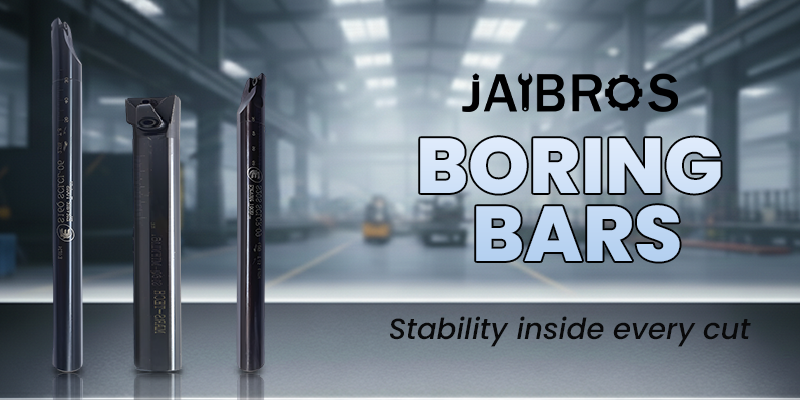
Discover 7 expert tips to improve internal machining using a carbide boring bar. Learn setup, tool selection, and CNC machining practices for better accuracy.
Expert Guide to Achieving Accurate Internal Machining with Carbide Boring Bars
Internal machining is a critical process in CNC manufacturing because many components require accurate internal diameters and smooth surface finishes. Parts used in automotive, aerospace, tooling, and industrial equipment often contain internal holes that must be machined with high precision. Achieving this level of accuracy requires not only a capable machine but also the right cutting tools and setup techniques. One of the most reliable tools used for this purpose is the carbide boring bar.
A properly selected and correctly used tool can improve machining stability, reduce vibration, and deliver excellent internal finishes. However, many machinists face issues such as tool wear, chatter, and poor dimensional accuracy when performing internal machining. These problems usually occur due to incorrect setup or improper cutting conditions. Understanding how to handle internal machining operations properly can significantly improve machining performance and tool life.
Understanding Internal Machining in CNC Operations
Internal machining involves enlarging or finishing the inside diameter of a workpiece. Unlike external turning, the cutting tool operates inside the component, which creates several challenges. The cutting space is limited, chips are harder to remove, and heat can build up quickly during the process.
Because of these challenges, machinists must use a reliable cnc tool designed specifically for internal operations. Stability and rigidity become extremely important because any vibration inside the bore can damage the surface finish and reduce dimensional accuracy. Using the right tool and setup method makes internal machining smoother and more predictable.
When internal turning operations are performed correctly, manufacturers can produce high-precision parts with consistent quality and minimal machining errors.
Tip 1: Selecting the Right Boring Tool
The first step toward successful internal machining is choosing the correct boring tool. Different machining tasks require different tool sizes, materials, and designs. The selection should always depend on the hole diameter, depth of cut, and workpiece material.
Many machinists prefer solid carbide boring bars because they offer better rigidity and resistance to vibration compared to steel tools. Carbide tools are stronger and more stable, especially during deep hole machining operations. This additional stiffness helps maintain accuracy and improves the overall machining process.
Choosing the correct carbide boring bar ensures that the cutting process remains stable and the tool performs efficiently even under demanding machining conditions.
Tip 2: Maintaining Proper Tool Overhang
Tool overhang refers to the length of the tool extending from the tool holder. Excessive overhang reduces tool rigidity and increases the chances of vibration during cutting. When vibration occurs, it causes chatter marks on the workpiece surface and reduces the quality of the finished part.
To maintain stability, machinists should always keep the overhang as short as possible. A shorter tool extension allows the tool to remain rigid and resist cutting forces more effectively. This practice helps improve surface finish and extends tool life.
A properly positioned carbide boring bar with minimal overhang can greatly improve machining stability and produce better results during internal turning operations.
Tip 3: Choosing the Correct Insert Geometry
The insert plays a major role in the cutting process because it directly interacts with the material being machined. Different inserts are designed for different materials such as steel, aluminum, stainless steel, or cast iron.
Insert geometry affects chip formation, cutting force, and surface finish. A properly selected insert allows the tool to cut smoothly while reducing heat generation and friction.
When the insert is correctly matched with the carbide boring bar, the machining process becomes more efficient and stable. This also helps reduce tool wear and improves the overall productivity of the machining operation.
Tip 4: Optimizing Cutting Parameters
Cutting parameters such as speed, feed rate, and depth of cut have a direct impact on machining performance. Running the tool at extremely high speeds may increase production temporarily, but it often leads to rapid tool wear and overheating.
To achieve the best results, machinists should use recommended cutting parameters based on the workpiece material and tool specifications. Maintaining a balanced combination of speed and feed ensures smoother cutting conditions.
When the correct parameters are applied, the carbide boring bar performs more efficiently and provides a longer service life while maintaining consistent machining accuracy.
Tip 5: Managing Heat with Proper Coolant
Heat generation is unavoidable during machining, especially during internal operations where the cutting tool works inside the workpiece. If excessive heat builds up at the cutting edge, it can damage the insert and shorten the tool life.
Proper coolant application helps control temperature and improves chip evacuation from the cutting area. Coolant also reduces friction between the cutting edge and the material, which protects the tool from premature wear.
Using an effective coolant system allows the carbide boring bar to maintain stable cutting performance and produce smoother internal finishes.
Tip 6: Reducing Vibration for Better Surface Quality
Vibration, commonly known as chatter, is one of the biggest challenges in internal machining. Chatter not only damages the surface finish but also increases tool wear and noise during the machining process.
Machinists can reduce vibration by ensuring that the workpiece is securely clamped and the tool holder is rigid. Machine stability also plays a major role in preventing unwanted movement during cutting.
High-rigidity tools such as solid carbide boring bars are particularly effective in reducing vibration because carbide material is significantly stiffer than conventional tool materials.
Maintaining a stable cutting environment helps produce smoother surfaces and more accurate internal dimensions.
Tip 7: Monitoring Tool Wear and Maintenance
Tool wear occurs naturally during machining operations. However, if wear is not monitored regularly, it can lead to sudden tool failure and damage the workpiece.
Machinists should inspect cutting tools frequently to identify signs of wear such as chipped edges, reduced cutting performance, or unusual machining noise. Replacing worn inserts at the right time helps maintain consistent machining quality.
Many workshops invest in a carbide boring bar set so that they can easily select the correct tool size for different internal diameters. Using the right tool for each job reduces stress on the cutting edge and improves machining performance.
Before purchasing new tools, machinists often compare carbide boring bar prices from different suppliers. Although cost is an important factor, quality and durability should always be considered to ensure long-term performance.
Importance of Machine Maintenance
Even with the best tools and setup practices, machine condition plays a major role in machining accuracy. Loose machine components, worn spindle bearings, or misalignment can create vibration and reduce the effectiveness of the cutting process.
Regular maintenance of the CNC machine ensures that it operates smoothly and maintains consistent cutting accuracy. A properly maintained machine allows the carbide boring bar to function at its full potential and deliver reliable machining results.
Conclusion
Internal machining requires precision, stability, and the right combination of tools and techniques. Achieving perfect results is not only about having a powerful machine but also about using the correct tools and setup methods.
By selecting the right boring tool, maintaining minimal overhang, choosing suitable inserts, and applying proper cutting parameters, machinists can significantly improve machining quality. Effective coolant usage and vibration control further enhance the performance of internal turning operations.
About Jaibros
Jaibros has established a reputation as a brand that can be trusted and relied upon for the business of machining and cutting tools. It is a company that values itself on providing top-notch, innovative, and performance-driven tool solutions that meet the rising needs of the industry. The company is totally dedicated to assisting different industries to achieve new heights of productivity, precision, and cost-effectiveness through the provision of top-notch drilling and cutting tools.
FAQs
Q.What is a carbide boring bar used for in CNC machining?
A carbide boring bar is used for internal turning operations to enlarge or finish internal holes with high precision and smooth surface quality.
Q.Why are solid carbide boring bars better for deep hole machining?
They offer higher rigidity and vibration resistance compared to steel tools, which helps maintain stability during deep internal machining.
Q.How can machinists reduce vibration during boring operations?
Reducing tool overhang, ensuring proper workpiece clamping, and using rigid tools can significantly reduce vibration during machining.
Q.What factors influence carbide boring bar price?
The price depends on tool material, brand, coating, size, and whether it is sold individually or as part of a carbide boring bar set.
Q.How do I choose the right cnc tool for internal machining?
The correct tool selection depends on the hole diameter, machining depth, workpiece material, and the machine’s cutting capability.
Categorieën
Read More
Detailed Analysis of Executive Summary DevOps Market Size and Share The global DevOps market size was valued at USD 10.45 billion in 2024 and is expected to reach USD 59.04 billion by 2032, at a CAGR of 24.16% during the forecast period. When market research report is brilliant and precise, it proves to be a backbone for the business that helps to...

In today’s fast-moving online cricket betting world, users don’t want long verification delays or complicated registration processes. They want quick access, simple steps, and the ability to start betting immediately—especially during live matches like IPL or international T20 games. That’s where an Instant Cricbet99 ID becomes important. If you are a...

Alliance Benefits and Hierarchy Joining an alliance in LastWar unlocks numerous strategic and social benefits that significantly enhance gameplay. Being part of a collective provides a formidable defense mechanism, allowing members to summon reinforcements to protect their bases from enemy assaults. Collaborative attacks against rival players or monsters enable alliances to inflict greater...

Making Microsoft MB-210 Exam Study Simple and Stress-Free Preparing for the Microsoft MB-210 exam does not have to feel stressful or confusing. Many students struggle because they study too much without a clear plan. They read many resources but still feel unsure about what really matters for the exam. Choosing clear and trusted Microsoft MB-210 study material makes preparation simple, focused,...

Lighting plays a major role in the comfort, appearance, and functionality of any home or business. Professional Light Fixture Installation Yardley PA services help property owners upgrade their lighting safely and efficiently. Whether installing new fixtures or replacing outdated ones, proper installation improves visibility, energy efficiency, and overall design. Choosing experienced Light...