


How Do You Know Whether to Use 1099-NEC or 1099-MISC?
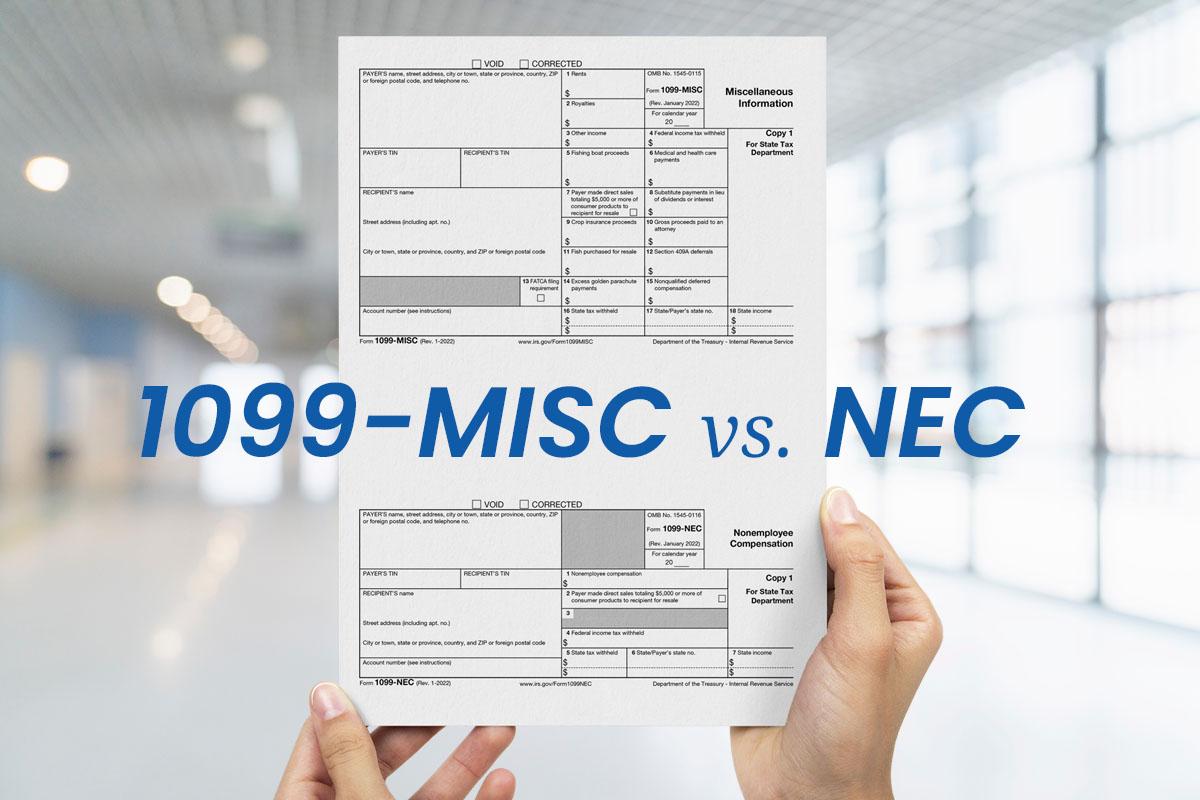
Understanding which IRS form to use for reporting payments can be confusing, especially for businesses that hire contractors, freelancers, or service providers. Two of the most common forms for reporting non-employee compensation are 1099-NEC and 1099-MISC. Choosing the correct form is crucial to avoid IRS penalties, maintain compliance, and ensure that payments are accurately reported for tax purposes. This guide explains the differences between the forms, the types of payments each covers, and how businesses can determine which form to use.
What Is Form 1099-NEC?
Form 1099-NEC (Nonemployee Compensation) is a tax form used to report payments made to non-employees. This includes independent contractors, freelancers, consultants, and other self-employed individuals who provide services to your business.
The IRS reinstated Form 1099-NEC in 2020 to separate non-employee compensation reporting from other miscellaneous payments, which were previously reported on Form 1099-MISC. The main purpose of 1099-NEC is to report compensation totaling $600 or more to a non-employee during a tax year.
Common examples of payments reported on 1099-NEC include:
-
Payments to freelance designers, writers, or programmers
-
Fees paid to consultants or independent contractors
-
Commissions paid to non-employee sales representatives
-
Payments for professional services provided by lawyers or accountants
The form ensures that the IRS receives accurate information about income received by individuals who are not full-time employees, helping them report their earnings correctly on their personal tax returns.
What Is Form 1099-MISC?
Form 1099-MISC (Miscellaneous Income) is used to report various types of payments that do not qualify as employee wages or non-employee compensation. While 1099-NEC is used specifically for payments to independent contractors, 1099-MISC covers other kinds of income, often unrelated to services provided.
Examples of payments reported on 1099-MISC include:
-
Rent payments to landlords or property owners
-
Royalties or licensing fees
-
Prizes or awards
-
Payments to attorneys not related to services
-
Other miscellaneous income not reported elsewhere
Form 1099-MISC is also used to report payments of $10 or more for royalties or $600 or more for rents, prizes, or other miscellaneous income types.
The key difference is that 1099-MISC is not primarily for service payments; it captures payments that fall outside the scope of non-employee compensation.
Key Differences Between 1099-NEC and 1099-MISC
Understanding the differences between 1099-NEC and 1099-MISC is critical for correct tax reporting:
| Feature | 1099-NEC | 1099-MISC |
|---|---|---|
| Purpose | Nonemployee compensation | Miscellaneous income (rent, royalties, awards, etc.) |
| Threshold | $600+ for services | $600+ for rent, prizes, or services not related to NEC |
| Typical Recipients | Independent contractors, freelancers | Landlords, attorneys, royalty recipients, prize winners |
| Filing Deadline | January 31 | February 28 (paper) / March 31 (electronic) |
| Focus | Services provided to business | Non-service payments or other miscellaneous payments |
By clearly distinguishing the purpose of each form, businesses can avoid mistakes in reporting and ensure their independent contractors and other recipients receive accurate tax information.
Determining Which Form to Use
To know whether to use 1099-NEC or 1099-MISC, businesses should ask the following questions:
-
Was the payment for services?
-
If yes, and the recipient is not an employee, use 1099-NEC.
-
If no, consider 1099-MISC for other types of income.
-
-
How much was paid?
-
1099-NEC: $600 or more for services.
-
1099-MISC: $600 or more for miscellaneous income (rents, prizes, etc.) or $10+ for royalties.
-
-
Who received the payment?
-
Independent contractors, freelancers, or non-employee service providers → 1099-NEC.
-
Landlords, attorneys (in specific cases), royalty recipients, or prize winners → 1099-MISC.
-
-
Was the payment for professional services performed by a non-employee?
-
If yes, use 1099-NEC, even if the payment would have previously gone on 1099-MISC.
-
By carefully reviewing the purpose, recipient, and amount of payment, businesses can determine the correct form.
Filing Deadlines and Compliance
Using the correct form is not enough; filing deadlines must also be met to avoid penalties.
-
Form 1099-NEC: Must be filed with the IRS by January 31 of the following year. Copies must also be sent to recipients by the same date.
-
Form 1099-MISC: The IRS filing deadline is February 28 for paper forms or March 31 for electronic submissions. Recipients must receive their copies by January 31.
Late or incorrect filings can result in penalties. For example, failing to file a 1099-NEC or 1099-MISC on time can lead to fines ranging from $50 to $280 per form, depending on how late the submission is.
Best Practices for Accurate Filing
To ensure accurate reporting, businesses should follow these practices:
-
Collect W-9 Forms from Recipients – Always request a W-9 from contractors, landlords, or other recipients to gather correct tax information.
-
Keep Accurate Payment Records – Maintain detailed records of all payments, including dates, amounts, and purpose.
-
Separate Service and Non-Service Payments – Track payments for services separately from rent, royalties, or other miscellaneous payments.
-
Double-Check Names, Addresses, and Tax IDs – Ensure all information matches IRS records.
-
File Electronically When Possible – E-filing reduces errors and ensures faster processing.
Following these steps helps businesses remain compliant and minimizes the risk of IRS penalties.
Common Mistakes to Avoid
-
Reporting non-service payments on 1099-NEC instead of 1099-MISC
-
Reporting service payments on 1099-MISC after 2020
-
Missing payments that exceed the $600 threshold
-
Using incorrect tax identification numbers
-
Filing forms late
Avoiding these errors ensures smooth tax filing and reduces the likelihood of audits or fines.
Conclusion
Determining whether to use 1099-NEC or 1099-MISC is essential for proper tax reporting. In general:
-
Use 1099-NEC for payments of $600 or more to independent contractors and other non-employee service providers.
-
Use 1099-MISC for miscellaneous payments such as rent, royalties, prizes, and other income not related to services.
By understanding the differences, collecting accurate W-9 forms, maintaining organized records, and following IRS deadlines, businesses can file tax forms accurately and stay compliant. Knowing which form to use ensures that recipients report their income correctly and that the business avoids penalties, making tax season simpler and more efficient for everyone involved.
Categorie
Leggi tutto
A lot of players won’t notice the 2026 changes until a withdrawal stalls or a verification box pops up. That’s the visible part. The real shift starts earlier, with regulation, payments, and the way operators handle risk across UK online casinos. If you want a plain-English reference point for the wider market, Casino Duelz is a useful place to compare how these rules are landing in...

Wenn dir aggressive EX-Decks wie Pikachu-EX oder Mewtu-EX in Pokémon TCG Pocket regelmäßig die Siege vermiesen, hast du jetzt eine neue taktische Option: die Promo-Pummeluff aus dem Bisaflor-Drop-Event. Die Karte beherrscht die Attacke „Gesang“, mit der sie gegnerische Pokémon in den Schlaf versetzt – und das kann in den richtigen Händen eine...

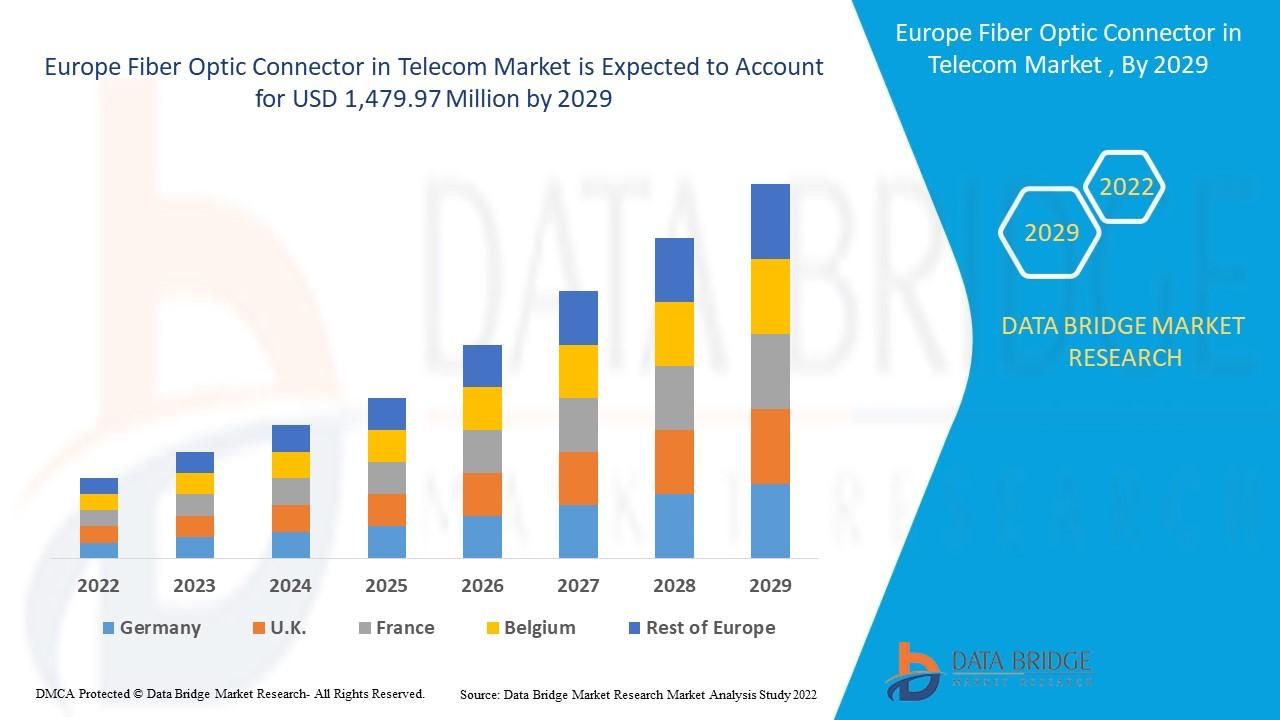
Executive Summary Europe Fiber Optic Connector in Telecom Market The Europe fiber optic connector in telecom market is expected to gain significant growth in the forecast period of 2022 to 2029. Data Bridge Market Research analyzes that the market is growing with a CAGR of 13.1% in the forecast period of 2022 to 2029 and is expected to reach USD 1,479.97 million by 2029. A market research...
Online entertainment has become more popular than ever, and many people enjoy digital gaming platforms for fun and excitement. Among the well-known names in this industry is 789win. It offers a wide selection of online games and betting options that are designed to meet the interests of different players. From sports betting to casino games, slot games, poker, and more, 789win Buzz provides a...

The 4 PON Port EPON OLT Layer3 OV-EO-04 is a reliable solution for FTTH, broadband, and ISP networks. Designed for stable performance and efficient network management, it supports high-speed data transmission with advanced Layer 3 capabilities. Ideal for telecom operators and internet service providers looking for a scalable and dependable EPON OLT solution.
