Difference Between Docker and Kubernetes: A Complete Guide for Beginners (2026)
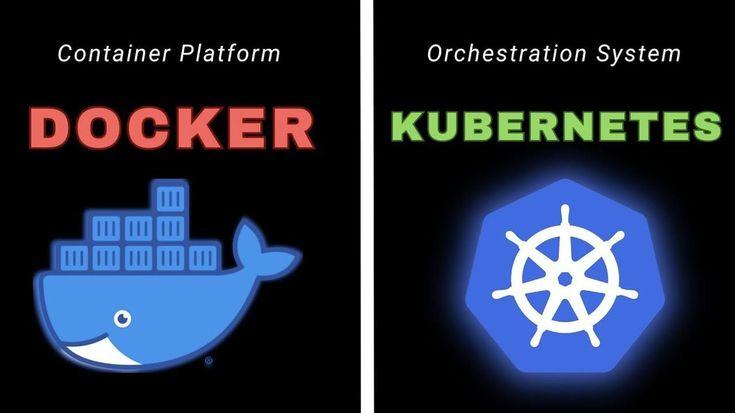
In the modern world of DevOps and cloud computing, two technologies dominate conversations: Docker and Kubernetes.
While many beginners think they are competitors, the truth is—they solve different problems and often work together.
In this blog, we’ll break down the difference between Docker and Kubernetes, their roles, use cases, and how they complement each other.
What is Docker?
Docker is a containerization platform that allows developers to package applications along with their dependencies into lightweight units called containers.
These containers ensure that your application runs the same way across different environments—whether it's development, testing, or production.
Key Features of Docker:
-
Lightweight and fast
-
Easy application deployment
-
Environment consistency
-
Ideal for microservices architecture
-
Simplifies CI/CD pipelines
👉 In simple terms: Docker = Create & run containers
What is Kubernetes?
Kubernetes (also called K8s) is an open-source container orchestration platform used to manage, scale, and deploy containerized applications across multiple machines.
It was originally developed by Google to handle large-scale container deployments.
Key Features of Kubernetes:
-
Automated deployment and scaling
-
Load balancing
-
Self-healing (restarts failed containers)
-
Service discovery
-
Efficient resource management
👉 In simple terms: Kubernetes = Manage containers at scale
Docker vs Kubernetes: Core Difference
The main difference lies in purpose and functionality:
| Feature | Docker | Kubernetes |
|---|---|---|
| Role | Containerization platform | Container orchestration platform |
| Function | Builds and runs containers | Manages containers across clusters |
| Scaling | Limited/manual | Automatic scaling |
| Complexity | Easy to use | Complex setup |
| Use Case | Small to medium apps | Large-scale distributed systems |
👉 A simple analogy:
-
Docker is like packing boxes
-
Kubernetes is like managing a warehouse full of boxes
How Docker and Kubernetes Work Together
Instead of competing, Docker and Kubernetes are complementary technologies.
-
Docker creates container images
-
Kubernetes deploys and manages those containers
Kubernetes can schedule containers across multiple servers, handle failures, and scale applications automatically.
👉 Together, they form the backbone of cloud-native applications.
Use Cases of Docker
Docker is best suited for:
-
Application development & testing
-
Microservices architecture
-
Continuous Integration/Deployment (CI/CD)
-
Environment standardization
It solves the classic problem:
👉 “It works on my machine but not in production.”
Use Cases of Kubernetes
Kubernetes shines in:
-
Large-scale applications
-
Multi-cloud deployments
-
High-availability systems
-
Automated scaling and load balancing
-
Managing distributed systems
When Should You Use Docker vs Kubernetes?
Use Docker if:
-
You are building or testing applications
-
You need simple deployment
-
Your app doesn’t require scaling
Use Kubernetes if:
-
You are managing multiple containers
-
You need auto-scaling and high availability
-
You are running production-level applications
👉 Most modern companies use both together.
Key Advantages Comparison
Docker Advantages:
-
Easy to learn and use
-
Faster deployment
-
Lightweight containers
-
Great for developers
Kubernetes Advantages:
-
Handles large-scale systems
-
Automatic scaling
-
Self-healing infrastructure
-
Enterprise-ready
Challenges
Docker Challenges:
-
Limited orchestration
-
Not ideal for large-scale systems
Kubernetes Challenges:
-
Steep learning curve
-
Complex setup and management
-
Requires infrastructure knowledge
Future of Docker and Kubernetes
The future is clearly cloud-native and container-driven:
-
Kubernetes is becoming the industry standard for orchestration
-
Docker remains essential for container creation and development
-
Tools like containerd are evolving beyond Docker runtime
Businesses adopting both technologies are better equipped to build scalable, resilient applications.
Final Thoughts
Docker and Kubernetes are not rivals—they are partners in modern software development.
-
Docker simplifies application packaging
-
Kubernetes simplifies application management
If you’re starting your DevOps journey:
👉 Learn Docker first, then move to Kubernetes
That’s the smartest path to mastering containerization.
Categorie
Leggi tutto
Preeti Agerwal offers premium companionship services designed for individuals seeking elegance, discretion, and meaningful company. Known for professionalism and quality standards, the service focuses on creating comfortable, respectful, and memorable experiences for clients in Visakhapatnam Escorts. 1. Premium Companionship Services Preeti Agerwal provides access to well-groomed,...

As businesses increasingly depend on digital accounting systems for financial management and compliance, enrolling in the best institute for tally course in Chandigarh can help students and professionals develop practical accounting skills that are highly valued in today's job market. Tally remains one of the most widely used accounting software platforms in India, making it an essential tool...

Vigor Boost™ – Support Natural Energy, Stamina & Male Vitality Vigor Boost™ is an advanced male wellness supplement designed to support natural energy, stamina, and overall male vitality. These easy-to-take gummies combine powerful herbal extracts, essential vitamins, and key nutrients to help promote healthy circulation, balanced hormone levels, and long-lasting...

Fire safety is not just a requirement it is a responsibility. Whether it’s a commercial building, industrial site, or residential space, having the right fire protection system in place can save lives and prevent significant losses. Haseen Habib stands as a reliable name in Pakistan, delivering high-quality fire safety solutions with a strong focus on performance, compliance, and trust....

Clear, smooth skin is often associated with confidence and good skin health. However, warts can sometimes disrupt this appearance and become a concern for many people. These small skin growths may appear harmless at first, but they can grow, spread, or become noticeable over time. This is where modern dermatological advancements such as Laser wart removal in Dubai offer an effective...