


How Do Employees Actually Save Money Before Taxes Are Taken
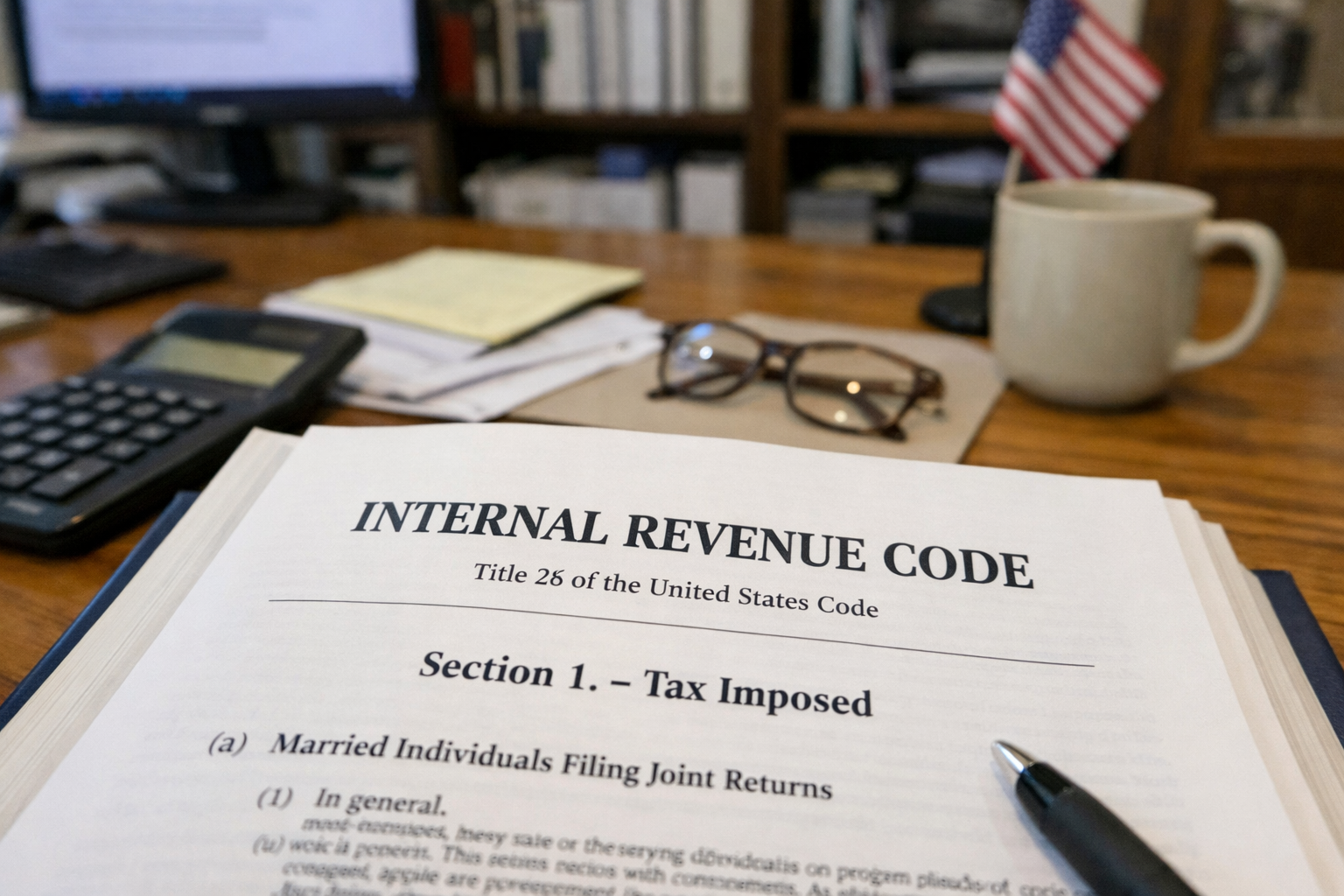
On paper, it’s straightforward. You earn money, and before taxes get applied, some of it gets set aside for certain expenses. That’s the idea behind pre tax deductions. Clean, logical, easy to explain in one sentence.
But when people look at their paycheck, things don’t feel that simple. Numbers shift. Net pay changes. Deductions stack up in ways that aren’t always obvious.
Part of the confusion comes from how these deductions are presented. Labels vary. Plans differ. Employers structure things differently. So even though the concept is basic, the experience feels… layered.
A section 125 health plan is usually where most employees first encounter this. And honestly, that’s where the learning curve starts.
What Actually Gets Taken Out Before Taxes Hit Your Pay
Not everything qualifies. That’s one thing people misunderstand. Pre tax deductions apply to specific benefits, mostly tied to health and dependent care.
Health insurance premiums are the most common. Dental, vision, sometimes disability coverage. Then you’ve got flexible spending accounts, where money is set aside for medical or childcare expenses.
All of this runs through structures like a section 125 health plan. That plan basically acts as the framework that allows these deductions to happen before taxes are calculated.
The benefit is simple. Lower taxable income means lower taxes. But the details—what’s eligible, how much you can contribute, when you can change it—that’s where things get more complicated.

Why Your Take-Home Pay Changes
This is where people pause. They see a lower net paycheck and think they’re losing money. Not exactly.
Pre tax deductions reduce your taxable income. So yes, your take-home pay might be smaller in the moment, but you’re also paying less in taxes. And that difference adds up over time.
It’s not always obvious right away. The savings are kind of… indirect. You don’t see a big bonus or a separate line saying “you saved this much.”
A section 125 health plan makes this process automatic. Contributions come out before taxes, so you don’t have to think about it every month. Which is helpful, but also why people don’t always notice the benefit clearly.
The Trade-Off: Flexibility Gets Limited Once You Choose
Here’s the part people don’t love. Once you elect certain benefits under pre tax deductions, you’re usually locked in for the plan year.
You can’t just adjust contributions whenever you want. Unless there’s a qualifying life event—marriage, having a child, maybe a job change.
That rigidity comes from how a section 125 health plan is structured. The tax advantages come with rules. And those rules limit flexibility.
So you’re making decisions in advance. Estimating expenses, guessing what you’ll need. Sometimes you get it right. Sometimes you don’t.
Flexible Spending Accounts: Where Planning Really Matters
FSAs are a big part of this conversation. They let you set aside money for healthcare or dependent care expenses before taxes.
Sounds great. And it is, if you plan carefully.
But there’s a catch. In many cases, if you don’t use the money, you lose it. Some plans allow small rollovers or short grace periods, but not always.
That makes pre tax deductions feel a bit like a gamble for some people. You’re estimating future expenses, hoping you land close to the mark.
A section 125 health plan includes these accounts as an option, but they require attention. Not constant attention, just enough to avoid overcommitting.
Why Employers Push These Plans So Much
It’s not just about employee benefits. Employers gain from this too.
When employees contribute through pre tax deductions, the company reduces its payroll tax liability. That creates savings on their side as well.
So offering a section 125 health plan becomes a win-win in theory. Employees lower their taxable income. Employers lower their tax burden.
That’s why these plans are so common. Not because they’re easy, but because they create financial advantages for both sides.
Of course, managing them properly takes effort. Compliance rules aren’t optional, and mistakes can get expensive quickly.

Common Mistakes People Make Without Realizing It
A lot of employees don’t fully engage with these plans. They pick default options. Skip reading details. Set contribution amounts without much thought.
Then issues show up later. Not enough funds in an FSA. Too much left unused. Confusion about what expenses qualify.
Pre tax deductions only work well when you understand how they’re structured. Not perfectly, just enough to make informed decisions.
A section 125 health plan gives you tools. But tools don’t do much if you don’t use them intentionally.
Why These Deductions Still Matter Despite the Hassle
Even with the planning, the restrictions, the occasional confusion—these deductions stick around for a reason.
They reduce taxable income. That’s a real, measurable benefit. Over time, it adds up.
Pre tax deductions aren’t flashy. They don’t feel like a bonus. But they quietly improve your financial position.
A section 125 health plan makes it easier to access those benefits without complicated steps each month. Once it’s set up, it runs in the background.
And that’s kind of the point. It’s not supposed to be exciting. It’s supposed to work.
Conclusion
Understanding how money moves before taxes are applied isn’t the most exciting topic, but it’s one of those things that actually impacts your finances more than you expect.
Pre tax deductions give employees a way to lower taxable income while paying for essential benefits. It’s a simple idea, but the execution involves decisions that matter.
A section 125 health plan provides the structure that makes this possible. It organizes contributions, ensures compliance, and connects different benefit options into one system.
There are trade-offs. Less flexibility, some planning required, occasional confusion. But the upside is real.
If you pay attention, even a little, these deductions start working in your favor. Not dramatically, but consistently. And that’s usually enough.
Catégories
Lire la suite
"Executive Summary Baby Puff and Snacks Market Size and Share: Global Industry Snapshot The global baby puff and snacks market size was valued at USD 829.36 million in 2025 and is expected to reach USD 1482.49 million by 2033, at a CAGR of7.00% during the forecast period This Baby Puff and Snacks Market report involves the drivers and restraints for the...

Korean Reality TV Innovations Scripted dramas can whisk you away; reality shows usually keep their feet on the ground—yet Korean unscripted TV often does both, anchoring viewers in the familiar while dropping them into the surreal. Over the past few years, Korea’s reality output has reshaped expectations, taking real people and throwing them into premise-driven setups that feel...

Global 3-Amino-4-Fluorophenol market was valued at US$ million in 2022 and is projected to reach US$ million by 2029, exhibiting a remarkable CAGR of % during the forecast period. 3-Amino-4-Fluorophenol, a key organic chemical intermediate with CAS number 62257-16-3, has transitioned from specialized laboratory use to a vital component in large-scale industrial synthesis. This...

Villas in Greece for sale near the beach represent the ultimate Mediterranean dream—waking up to sea views, direct access to golden sands, and the sound of waves just steps away from your door. Beyond the lifestyle appeal, beachfront villas in Greece also offer exceptional investment potential, driven by strong tourism demand and limited coastal supply. At Greece Invests, we help buyers...

The world of online gaming has grown rapidly, bringing exciting opportunities for players who want fun, convenience, and rewards in one place. PH88 stands out as a trusted and innovative platform that delivers high-quality entertainment with a smooth and enjoyable experience. Whether you love sports betting or thrilling casino games, this platform offers everything in a safe and...