


How to Improve PE Garbage Bags Tear Resistance
Introduction: The Importance of Tear Resistance
Tear resistance is a critical property for PE Garbage Bags, especially in household, commercial, and industrial applications. Bags that easily rip or puncture reduce convenience, increase waste, and may lead to safety hazards. Improving the durability and tear strength of polyethylene trash bags ensures that they can handle heavier loads, sharp objects, and frequent handling without failure. Understanding the factors that influence tear resistance is essential for manufacturers and consumers seeking reliable, high-performance bags.
Material Selection and Density
The first step in improving tear resistance is choosing the right polyethylene material. Low-density polyethylene (LDPE) and linear low-density polyethylene (LLDPE) are commonly used for flexible, stretchable bags, while high-density polyethylene (HDPE) offers higher tensile strength but less flexibility. LLDPE, in particular, provides a balance of flexibility and toughness that helps absorb impacts and resist tearing. Adjusting the polymer blend and density allows manufacturers to tailor the bags for specific applications and durability requirements.
Thickness and Gauge Considerations
The thickness of the bag plays a direct role in its ability to resist punctures and tears. Thicker PE Garbage Bags provide more material to absorb force and prevent cracks from spreading. However, excessive thickness can reduce flexibility and increase material costs. Manufacturers often optimize gauge thickness to maintain a balance between strength, flexibility, and cost-effectiveness. Consistent thickness across the bag surface also prevents weak spots that could lead to premature tearing.
Additives and Reinforcements
Chemical additives and reinforcing agents can significantly enhance tear resistance. Anti-blocking agents, slip agents, and impact modifiers improve the polymer’s ability to stretch and absorb stress. Some manufacturers also incorporate multi-layer co-extrusion techniques, which combine different polyethylene layers to create a stronger, more puncture-resistant structure. These additives and layered designs increase durability without compromising flexibility, making bags more reliable in demanding conditions.
Manufacturing Process and Orientation
The production process has a major impact on bag strength. Techniques such as blown film extrusion, biaxial stretching, and controlled cooling improve molecular orientation, which enhances tensile strength and tear resistance. Proper sealing, heat treatment, and edge reinforcement during manufacturing also prevent weak points. Bags produced with optimized processes are less likely to fail under normal use or heavy loads.
Design Considerations
Bag design can further improve durability. Reinforced seams, double-layer bottoms, and stretchable handles help distribute weight evenly and reduce localized stress. Certain textures or embossed patterns can also reduce the risk of tearing by allowing the material to flex more easily under tension. Well-designed bags not only resist tearing but also provide better overall usability for consumers.
Combining Material, Design, and Process
Enhancing the tear resistance of PE Garbage Bags requires an integrated approach involving material selection, thickness optimization, additives, manufacturing processes, and smart design. By carefully considering these factors, manufacturers can produce bags that are durable, reliable, and suitable for a wide range of applications. For consumers, selecting bags engineered for tear resistance ensures safer and more convenient waste disposal, whether at home, in offices, or in industrial settings.
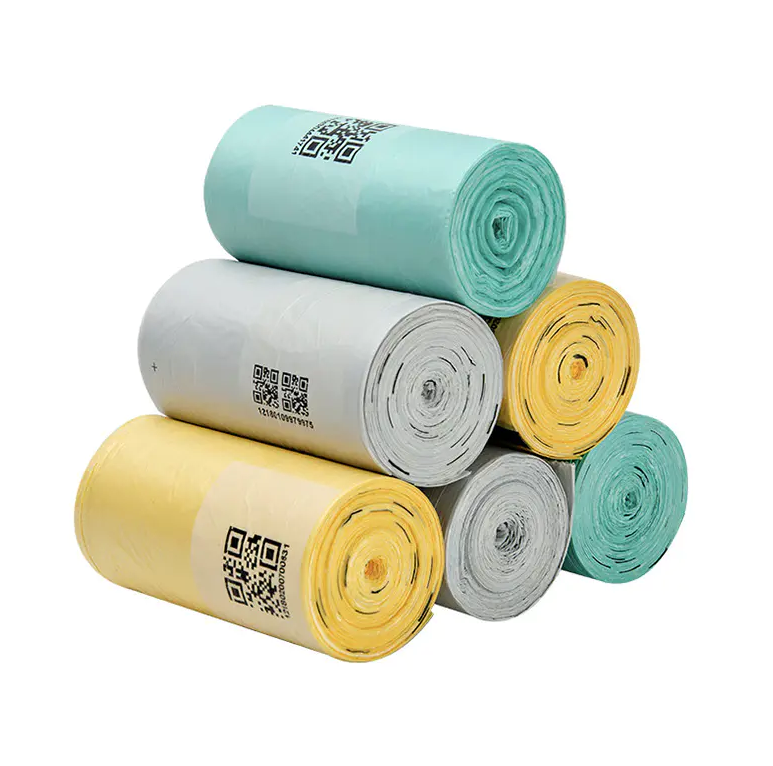
Colour: Various colors and transparent colors
Pattern: Customizable
Width: 10cm-60cm (customisable)
Height:10cm-60cm (customisable)
Thickness: 4 decimillimetre-8 decimillimetre (can be customized)
Material:PE
Process: Die-cutting
Product features: Waterproof and anti-corrosion, lightweight and easy to carry, low price, etc.
Application: Loading all kinds of domestic and industrial waste
Categorias
Leia Mais
The global Body Area Network market, valued at USD 24.80 Billion in 2025, is expected to reach USD 89.30 Billion by 2035, registering a revenue CAGR of 13.7% during the forecast period. Market growth is being driven by increasing adoption of wearable medical devices, expansion of remote patient monitoring programs, and growing demand for continuous health data collection across healthcare...

The transportation industry has undergone a major transformation with the rise of digital platforms and shared mobility. One of the most successful examples of this shift is the BlaBlaCar Revenue Model, which has built a global carpooling network without owning vehicles. Instead of operating like a traditional transport company, it focuses on connecting drivers who have empty seats with...

NEWARK, Del. — August 8, 2026 — According to the latest report by Future Market Insights (FMI), the global Clean-Label Syrups & Natural Sweetener Syrups Market is valued at USD 2.3 billion in 2026, up from USD 2.2 billion in 2025, reflecting the growing adoption of natural, cereal-based sweetener solutions across the food and beverage industry. The report projects that the...

Engineering is one of the most dynamic and rewarding career paths, offering opportunities to innovate, solve complex problems, and contribute to technological advancement. However, success in the engineering profession requires more than academic knowledge alone. Students need practical skills, industry exposure, technical expertise, communication abilities, and a mindset of continuous...
Il casino usdt si sta affermando come uno dei modelli più rilevanti nella ridefinizione del settore del gioco online, grazie all’integrazione di infrastrutture blockchain e asset digitali stabili. L’utilizzo di USDT consente di costruire piattaforme con elevata accessibilità internazionale, eliminando molte delle limitazioni imposte dai sistemi finanziari...
