


Managing High-Temperature Operation in Band Saws
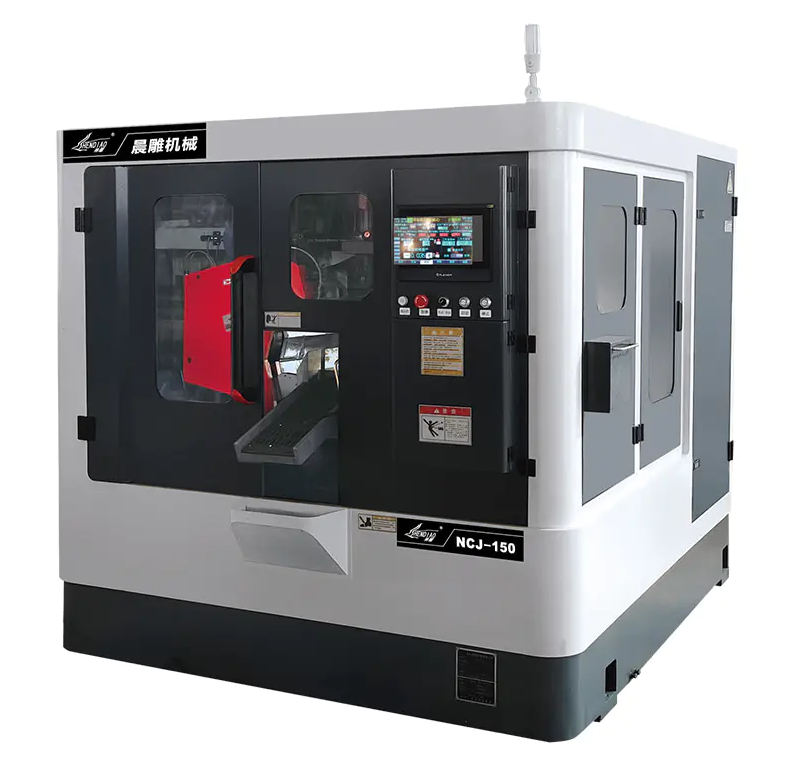
Introduction: Heat Management in Band Saw Operations
The Fully Automatic Metal Cutting Band Saw Machine is designed for continuous, high-volume cutting of metals in industrial settings. While these machines are built for durability, prolonged operation or high-temperature environments can pose challenges. Overheating may affect cutting performance, reduce blade life, and even damage internal components. Understanding the causes and prevention methods is crucial for maintaining safe and efficient operation.
Causes of Overheating
Overheating in a fully automatic metal cutting band saw typically results from a combination of factors. Continuous cutting generates friction and heat between the blade and metal. Cutting hard or thick materials increases the load on the motor and blade, accelerating heat buildup. Additionally, inadequate lubrication, poor coolant flow, or clogged cooling channels can exacerbate temperature rise, leading to reduced efficiency and potential machine damage.
Effects on Machine Performance
Excessive heat can compromise the performance of a Fully Automatic Metal Cutting Band Saw Machine. High temperatures may soften or warp the blade, resulting in imprecise cuts and increased vibration. Bearings, motor windings, and electronic components may also degrade if exposed to sustained heat, leading to mechanical failures or downtime. Prolonged overheating can reduce the overall lifespan of the machine, making preventive measures essential.
Cooling and Lubrication Strategies
Proper cooling and lubrication are the most effective methods to prevent overheating. Using high-quality cutting fluids or oils reduces friction between the blade and metal, dissipates heat, and improves surface finish. Ensuring consistent coolant flow and regularly cleaning coolant channels helps maintain optimal thermal conditions. Some fully automatic band saw machines include integrated cooling systems designed specifically to manage high workloads and reduce thermal stress.
Operational Adjustments
Operators can minimize heat buildup by adjusting cutting parameters. Reducing feed rates or intermittent cutting for thicker metals allows the blade to cool. Monitoring motor load and temperature sensors helps prevent excessive strain. Using the correct blade type and tooth geometry for specific metal types also reduces friction and heat generation, improving overall efficiency and precision.
Maintenance and Monitoring
Routine maintenance is essential for heat management. Checking blade tension, lubrication levels, and cooling system performance ensures that the Fully Automatic Metal Cutting Band Saw Machine operates within safe temperature limits. Installing temperature monitoring devices or using automatic shutdown features can protect the machine during prolonged high-temperature operation.
Ensuring Safe and Efficient Operation
While fully automatic metal cutting band saws are built for heavy-duty and continuous work, high temperatures and long operating hours can cause overheating if not properly managed. Implementing effective cooling, lubrication, and operational strategies, along with regular maintenance, ensures reliable performance, precise cutting, and extended machine life. By monitoring heat and taking preventive measures, manufacturers can maintain safe, efficient, and consistent metal cutting operations.
Categorii
Citeste mai mult
Mumbai, the city of dreams, is also a city of constant movement. People frequently relocate due to job transfers, business opportunities, education, and lifestyle changes. In such a dynamic environment, car shifting in Mumbai has become an essential requirement for safe and convenient vehicle transportation. Driving a car over long distances can be stressful, expensive, and risky due to...

The convergence of scalp-first haircare and advanced at-home light therapy is reshaping the global beauty device landscape. Driven by shifting consumer priorities toward non-invasive scalp wellness, the global LED Scalp Brushes Market is projected to grow from USD 1.0 billion in 2026 to USD 2.6 billion by 2036, representing a steady CAGR of...

Sumatra is one of Indonesia’s most fascinating islands, known for its vast rainforests, unique wildlife, volcanic landscapes, and rich cultural heritage. For travelers seeking authentic outdoor experiences, a Sumatra Adventure Tour offers opportunities to explore some of Southeast Asia’s most remarkable natural environments. From dense jungle ecosystems and mountain trails to...

Polaris Market Research has published a brand-new report titled Intracranial Stenosis Stents Market Share, Size, Trends, Industry Analysis Report, By Product (Self-expanding Stents, Embolization Coil Support Intracranial Stents, Venous Sinus Stents, Balloon-expanding), By End-Use, By Region, And Segment Forecasts, 2023 - 2032 that includes extensive information and analysis of the...
Dubai has become one of the world’s most attractive destinations for international real estate investors. Its modern infrastructure, international business environment, diverse property market, and strong demand from residents and investors have helped establish the city as a major global property hub. For international buyers, however, purchasing property in another country requires...