


Differences Between FPC Flat Connector and Other Connectors
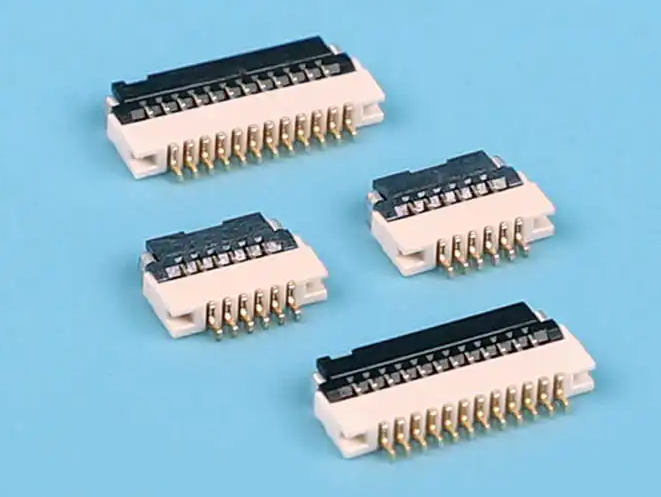
The FPC Flat Connector is a unique and versatile component used in various electronic applications. As with any technology, it’s essential to understand how it compares to other types of connectors, especially when choosing the best solution for a specific application. While many connectors serve similar functions, the FPC Flat Connector offers distinct advantages, particularly in applications where flexibility, compactness, and reliability are crucial. Let’s explore the key differences between FPC Flat Connectors and other common connector types.
Compact Design vs. Bulkier Connectors
One of the most significant differences between an FPC Flat Connector and other connector types, such as pin headers or card edge connectors, is its compact design. FPC connectors are specifically designed to be flat, making them ideal for use in tight spaces where traditional connectors may be too bulky. This flat design allows for flexible connections in a way that other types of connectors, like wire-to-board or board-to-board connectors, simply cannot. As a result, FPC Flat Connectors are commonly used in devices where size and space are at a premium, such as smartphones, wearable devices, and compact electronic gadgets.
Flexibility vs. Rigid Connections
Another major distinction is the flexibility that FPC Flat Connectors provide. Unlike traditional connectors, which are typically rigid and have fixed pins or sockets, FPC connectors are attached to flexible printed circuits. This flexibility allows them to bend and conform to the device’s shape, making them ideal for applications that require movement, such as robotics or flexible electronics. Other connectors, such as ribbon or IDC (Insulation Displacement Contact) connectors, offer some flexibility but often lack the versatility that FPC connectors provide in terms of bending and handling.
Connection Durability and Reliability
In terms of durability, FPC Flat Connectors excel in providing stable and reliable connections over long periods, particularly in environments with frequent movement or vibration. Their ability to securely connect flexible printed circuits ensures that they maintain consistent signal transmission, even under stress. While other connectors like soldered pins or crimped connectors may offer durability, they tend to be less effective in applications requiring regular movement or flexibility. FPC connectors, therefore, provide a better option in industries such as automotive and consumer electronics, where performance over time is essential.
Application-Specific Design
FPC Flat Connectors are engineered for specific applications, particularly in situations where space constraints and flexibility are critical. While other connectors, like wire-to-wire connectors or molex connectors, serve their purpose in many electronics, they are often too large or rigid for applications that require tight integration with flexible substrates. The FPC Flat Connector’s unique design makes it an ideal choice for connecting small, lightweight components in a more efficient manner. In contrast, other connectors are often designed for standard, less space-sensitive applications and are not as well-suited for miniaturized devices.
Cost and Manufacturing Considerations
The manufacturing process of FPC Flat Connectors tends to be more cost-effective when producing high-volume, flexible, and compact electronic devices. Traditional connectors, on the other hand, may involve more complex and costly manufacturing processes due to their bulkier design and rigid components. FPC connectors are produced using flexible printed circuits, which are often easier to integrate into devices that require small, efficient connections.
FPC Flat Connectors offer unique advantages over other types of connectors, including their compact design, flexibility, and durability. They are particularly valuable in applications where space and movement are key factors, such as in consumer electronics, automotive, and wearable technology. While other connectors may be more suitable for less compact or rigid environments, FPC connectors stand out in industries requiring lightweight, high-performance connections. Understanding these differences allows manufacturers and engineers to choose the most suitable connector type for their specific needs.
1、CKT:4Pin to 50Pin
2、Current rating:0.5A AC/DC
3、Voltage rating(max):50V,AC/DC
4、Working Temperature:-25℃~+85℃,
(Including temperature rise in applying electrical current)
5、Contact resistance: Initial value ≤30mΩ
After environmental testing ≤50mΩ
6、Insulation resistance:≥500MΩ
7、Withstand voltage:500VAC(rms)
8、Applicable PCB board thickness:1.6mm to 2.0mm
Catégories
Lire la suite
The Triund Trek mcleodganj is one of the easiest and most beautiful treks in Himachal Pradesh. It is perfect for beginners, school students, families, and even people who are trekking for the first time. The trek starts from Mcleodganj, a peaceful town near Dharamshala, surrounded by tall mountains and green forests. Many travelers choose Triund because it is short, safe, and gives stunning...

Many vehicles reach a point where they are no longer drivable. Some are damaged in accidents, others have mechanical failures, and many simply become too old to maintain. At first glance, these cars appear to be worthless. The truth is that most of them still hold significant value. Through cash for cars services and salvage processes, vehicles are dismantled, recycled, and repurposed. This...

Le monde des casinos en ligne a connu une expansion phénoménale au cours des dernières années, attirant des millions de joueurs à travers le monde grâce à la commodité, à l’accessibilité et à la variété de jeux proposés. Cependant, l’une des questions les plus fréquentes parmi les...

Organizations relying on facial recognition and automated entry systems are facing growing risks from AI-generated impersonation attacks that are difficult to detect using traditional tools. As cybercriminals refine their techniques, deepfakes bypassing physical security systems has become a critical concern impacting corporate infrastructure, data centers, and restricted facilities. This...

Beauty treatments have evolved dramatically over the past decade, giving people safer, more effective, and more personalized options than ever before. Whether you want healthier skin, refined facial features, or a more sculpted body, modern aesthetic treatments can help you achieve your goals with minimal downtime. Best Aesthetic Clinic in Dubai services combine advanced technology,...
