How Can a Business Use the Global Reporting Initiative (GRI)? A Complete Strategic Guide for 2026

How Businesses Can Use GRI in 2026: A Complete Strategic Guide
Sustainability reporting has undergone a major transformation in recent years. What was once a compliance-driven, annual reporting exercise has now become a core business function. In 2026, the Global Reporting Initiative (GRI) stands at the center of this shift, evolving into a powerful tool for data-driven decision-making, regulatory alignment, and long-term value creation.
This blog explores how businesses can effectively use GRI in 2026 and why it is no longer optional but essential.
The Evolution of GRI: From Reporting Tool to Business Intelligence System
Traditionally, sustainability reports were static documents—carefully written, visually polished, and published once a year. However, these reports often lacked real impact, serving more as communication tools than operational assets.
In 2026, GRI has transformed into something far more strategic. It now acts as an interoperability layer for ESG (Environmental, Social, and Governance) reporting. This means companies can use a single structured dataset to meet multiple regulatory requirements across different jurisdictions.
Instead of preparing separate reports for different frameworks, businesses can rely on GRI to streamline compliance with regulations such as:
-
Corporate Sustainability Reporting Directive (CSRD)
-
U.S. Securities and Exchange Commission (SEC) disclosures
-
Business Responsibility and Sustainability Reporting (BRSR) in India
This shift significantly reduces duplication, improves consistency, and enhances reporting efficiency.
Three Ways to Use GRI
GRI offers flexibility in how businesses adopt its framework. Companies can choose from three primary approaches depending on their maturity level and reporting goals:
1. In Accordance with GRI
This is the most comprehensive approach, where organizations fully comply with GRI standards. It demonstrates a high level of transparency and commitment to sustainability.
2. With Reference to GRI
Companies can selectively use specific GRI standards that are relevant to their operations. This is ideal for organizations starting their sustainability journey.
3. GRI-Referenced Disclosures
This approach focuses on reporting specific metrics aligned with GRI without full adoption. It allows for gradual integration of sustainability practices.
These entry points ensure that businesses of all sizes and stages can leverage GRI effectively.
Understanding Double Materiality
One of the defining features of GRI is its emphasis on double materiality. Unlike traditional frameworks that focus only on financial impact, GRI requires companies to evaluate:
-
Impact materiality: How the company affects the environment and society
-
Financial materiality: How environmental and social factors impact the company’s financial performance
This dual perspective provides a more comprehensive understanding of risks and opportunities. It enables businesses to align sustainability with strategy, rather than treating it as a separate function.
The Business Case for GRI
Adopting GRI is not just about compliance—it delivers measurable business benefits.
1. Improved Access to Capital
Structured and verified ESG data increases investor confidence. Instead of relying on estimated ESG scores, stakeholders can assess actual performance, which often leads to lower cost of capital.
2. Competitive Advantage in Procurement
Many large organizations now require ESG disclosures from their suppliers. GRI-based reporting enhances credibility and improves chances of winning contracts.
3. Better Risk Management
By identifying both environmental and financial risks, companies can proactively manage challenges and avoid regulatory penalties.
4. Enhanced Transparency and Trust
GRI encourages disclosure of both strengths and data gaps. This transparency builds trust with stakeholders, including investors, regulators, and customers.
The 2026 Shift: Data Over Documents
One of the most significant changes in 2026 is the move away from static reports to dynamic, machine-readable data.
Machine-Readable Reporting (XBRL)
GRI reporting now requires structured formats such as XBRL (eXtensible Business Reporting Language). This allows data to be easily analyzed, compared, and integrated across systems.
AI-Assisted Verification
Artificial intelligence plays a growing role in validating ESG data. Automated checks improve accuracy and reduce the risk of errors or misreporting.
Transparency Over Perfection
Instead of presenting a flawless report, companies are now expected to disclose data gaps and limitations. This shift prioritizes honesty and continuous improvement over polished narratives.
Moving Beyond the Traditional Sustainability Report
The traditional sustainability report is no longer the end goal. In fact, it is becoming less relevant in its old form.
Today, the focus is on creating a continuous data ecosystem where sustainability metrics are integrated into everyday business operations. This includes:
-
Real-time data collection
-
Continuous monitoring of ESG performance
-
Integration with financial and operational systems
The report becomes just one output of a much larger, ongoing process.
Building a Data-Driven Audit Trail
GRI enables organizations to build a robust audit trail for their sustainability data. This is critical in a regulated environment where verification and accountability are key.
A data-driven audit trail ensures:
-
Traceability of ESG metrics
-
Consistency across reporting periods
-
Readiness for audits and regulatory reviews
This level of rigor transforms sustainability from a marketing function into a core governance function.
Why GRI Matters More Than Ever
As global regulations tighten and stakeholder expectations rise, businesses can no longer afford fragmented or inconsistent ESG reporting.
GRI provides a unified framework that:
-
Simplifies compliance across multiple jurisdictions
-
Enhances data quality and reliability
-
Aligns sustainability with business strategy
-
Supports long-term value creation
In essence, it helps organizations become more agile, transparent, and investment-ready.
Conclusion
The role of GRI in 2026 goes far beyond reporting. It has become a strategic tool that enables businesses to navigate a complex regulatory landscape while unlocking new opportunities.
Companies that embrace GRI as a data system—rather than just a reporting framework—will be better positioned to compete in a global, sustainability-driven economy.
The future of ESG is not about producing better reports. It is about building smarter systems, leveraging data, and creating measurable impact. GRI is at the heart of this transformation, helping businesses move from compliance to competitive advantage.
Categories
Read More
According to the latest report published by Data Bridge Market Research, the Europe Intercom Devices Market Data Bridge Market Research analyses that the Europe intercom devices market is expected to reach the value of USD 12,748.18 million by 2029, at a CAGR of 11.9% during the forecast period. "Audio/Video" accounts for the most prominent communication segment as this...

Every business wants to celebrate success in a way that feels special. A trophy is a simple gift, but it carries a big meaning. It says, You did a good job. That is why many companies look for corporate trophy manufacturers who can create awards that are neat, beautiful, and memorable. A good trophy is more than decoration. It becomes a symbol of hard work, team spirit, and achievement....

Closing a business can be emotional, but it's also the start of a brand new chapter! If you are liquidating a company in Jafza, you'll need to prepare a Statement of Affairs. It sounds formal, but it’s really just a snapshot of what your company owns and owes. Let's make this process simple, clear, and totally stress-free! What is a Statement of Affairs? Working with a Professional...

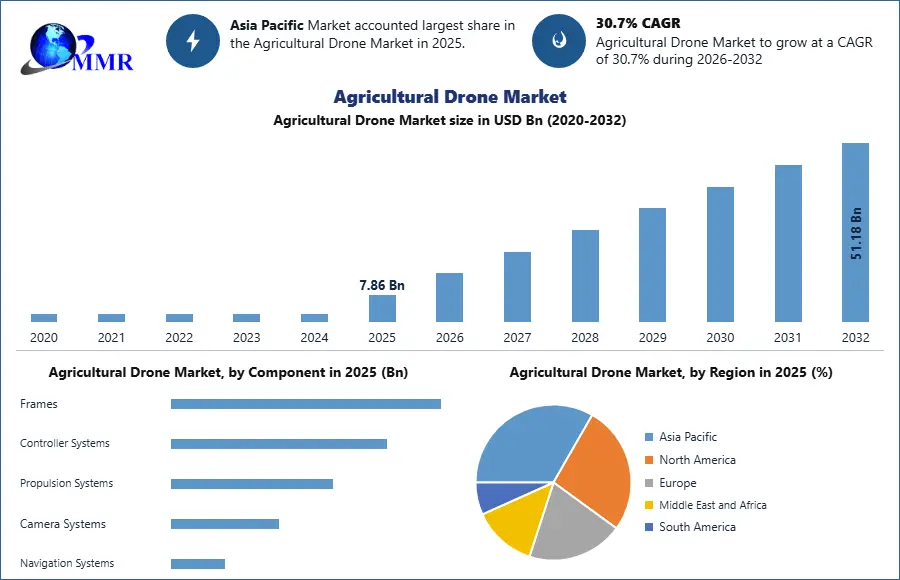
Agricultural Drone Market Expands Rapidly as Precision Farming and Smart Agriculture Drive the Future of Food Production Market Overview and Growth Outlook The Global Agricultural Drone Market is experiencing robust growth as the agriculture sector embraces digital transformation, precision farming, and data-driven crop management practices. According to the latest analysis from Maximize...
I train most days with back-to-back sessions, mixing runs, gym lifts, and quick home circuits, and vaping is one small thing that helps me manage nicotine without losing focus. Lately I have been using strawberry lemonade vape juice during those packed workout days because the flavor stays consistent no matter how long or intense the session gets. The strawberry comes through sweet but never...