


How to Prevent and Solve Bubble Issues in Basket Mould
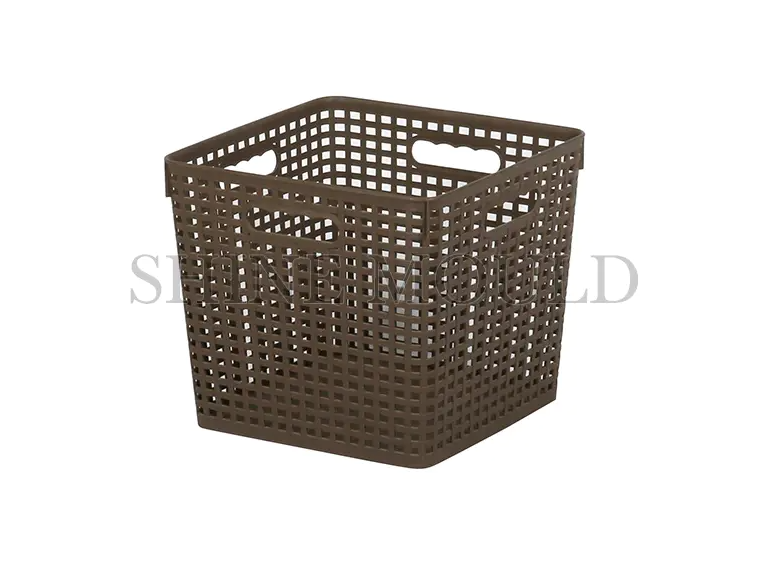
Causes of Bubbles in Basket Mould
Bubbles in Basket Mould products are a common issue that can affect both the quality and appearance of the final product. These bubbles typically form when air is trapped within the material during the molding process. The main causes of bubbles are improper material mixing, insufficient vacuuming, and high humidity levels. If the material is not mixed thoroughly before molding, air pockets can form, leading to bubbles in the final product. Similarly, inadequate vacuuming during the molding process can leave air trapped inside the mold cavity, causing similar issues.
Preventing Bubbles in Basket Mould
To prevent bubbles from forming in Basket Moulds, proper preparation and careful monitoring of the entire molding process are essential. First, ensure that the material used in the mold is thoroughly mixed and free from air pockets before pouring it into the mold. If the material is a liquid, vacuum degassing equipment can be used to remove any trapped air. Second, controlling the temperature and humidity levels in the manufacturing environment can help reduce the chances of bubbles forming, as excessive moisture can lead to bubble formation during the curing process. Finally, using high-quality raw materials with minimal air content can also help prevent bubbles.
Solutions for Existing Bubble Issues
If bubbles do appear in the finished product, there are several methods to resolve the issue. One effective solution is to perform post-molding techniques, such as applying pressure to the molded part to remove trapped air. In some cases, it may be necessary to reheat the mold and apply a vacuum to eliminate any remaining air pockets. Additionally, inspecting the mold for any damage or imperfections that could cause air leakage is crucial. Damaged molds should be repaired or replaced to ensure a smooth, bubble-free molding process in the future.
Improving Mould Design to Avoid Bubbles
A well-designed Basket Mould can significantly reduce the risk of bubbles forming. Ensuring that the mold has proper venting and airflow is key to releasing any trapped air. The addition of vents or channels that allow air to escape during the molding process can help prevent air pockets from forming in the material. Furthermore, designing the mold with appropriate thickness and smooth surfaces can help the material flow evenly, reducing the chances of bubbles forming. Regular mold maintenance, including cleaning and ensuring that vent holes are not blocked, is also critical to avoiding bubble-related issues.
Bubbles in Basket Mould products can be avoided and resolved through careful preparation, proper material mixing, and effective vacuuming techniques. By maintaining optimal environmental conditions and ensuring the mold is well-designed and regularly maintained, manufacturers can minimize the risk of air pockets forming in the final product. In cases where bubbles do appear, post-molding techniques can help remove trapped air and restore the product's quality. By taking these steps, manufacturers can improve the quality and consistency of Basket Mould products.
Categorias
Leia Mais
Raven Labs organizations are continuously looking for creative ways to improve productivity, promote growth, and streamline operations in today's fast-paced corporate environment. Systems for enterprise resource planning, or best erp systems, have become essential for accomplishing these objectives. Raven Labs, one of the top suppliers in this field, is notable for offering state-of-the-art ERP...

Dalam dunia hiburan digital yang terus berkembang, istilah seperti hgo909 dan slot88 sering muncul sebagai bagian dari pembahasan mengenai platform permainan berbasis online. Banyak pengguna internet menemukan nama-nama ini ketika mencari referensi terkait sistem hiburan berbasis web yang menawarkan pengalaman interaktif. Namun penting untuk dipahami bahwa di balik istilah...

Diverse visual effects experts anchor the Canary Islands' creative evolution beyond service work. Dani Pinedo returned to Gran Canaria witnessing vibrant transformation. After crafting audiovisual content for the Las Palmas Carnival, he founded DerroteroVFX. "We're few and interconnected here, making collaborations fluid," he observes. Now exploring Gran Canaria's LED stage potential, his...

Making Netskope NSK200 Exam Study Simple and Stress-Free Preparing for the Netskope NSK200 exam does not have to feel stressful or confusing. Many students struggle because they study too much without a clear plan. They read many resources but still feel unsure about what really matters for the exam. Choosing clear and trusted Netskope NSK200 study material makes preparation simple, focused,...

If you’re diving into MLB The Show 26, you already know the grind is real. The "Road to Cooperstown" is longer and more detailed than ever, taking you from high school scouts all the way to the Hall of Fame. Whether you’re trying to get drafted by a top-tier program like Stanford or Arkansas, or you’re grinding through the double-elimination stress of the College World...
