


How to Fix Tape Jamming in the Elastic Cutting Process
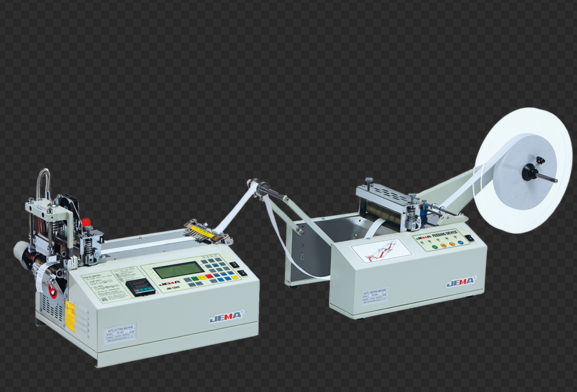
Introduction to Elastic Cutting
Elastic Cutting is a process used to cut elastic bands, tapes, and similar flexible materials into precise lengths and shapes. It is widely used in industries such as textiles, medical supplies, and packaging. While the process is efficient and reliable, one common issue that operators may encounter is tape jamming, where the material becomes stuck or tangled during the cutting operation. This can disrupt production and lead to wasted material and time. Understanding the causes and solutions for tape jamming in the Elastic Cutting process is essential for smooth operations and consistent results.
Common Causes of Tape Jamming
Tape jamming during Elastic Cutting can happen for several reasons. The most common causes include improper material feeding, inconsistent tension, and mechanical malfunctions. When the elastic material is not fed evenly into the machine or is misaligned, it can get caught in the cutting mechanism, causing a jam. Additionally, uneven tension on the material can cause it to stretch or bunch up, resulting in blockages. Other factors, such as the build-up of material debris or worn-out rollers, can also contribute to jamming by interfering with the smooth feeding of the material into the machine.
Solutions to Prevent and Solve Tape Jamming
Check and Adjust Material Alignment
Proper material alignment is crucial for smooth Elastic Cutting. Before starting the cutting process, ensure that the elastic tape is loaded straight and aligned properly with the machine’s feeding system. Misalignment can cause the material to veer off course and get caught in the machinery. Regularly check the material feed system to ensure it is operating correctly.
Adjust and Monitor Tension Settings
Uneven tension is a common cause of tape jamming. If the tension is too tight, it can stretch and distort the material, causing it to bunch up or snap. If the tension is too loose, the material may not feed evenly into the machine, leading to tangling. Make sure to adjust the tension control settings based on the type of elastic material you are cutting. Regularly monitor and fine-tune the tension to maintain a smooth and consistent feed.
Maintain and Clean the Machine Regularly
Over time, dust, debris, or remnants of previous materials can build up in the machine’s rollers or feeding system. This can cause the material to snag, leading to jamming. To prevent this, perform regular cleaning and maintenance on the machine. Ensure that rollers, guides, and other parts are free from blockages or build-ups that could impede the smooth flow of the material. Regular inspections and cleaning routines will help keep the machine in good working condition and prevent unnecessary jams.
Replace Worn-out Parts
If tape jamming continues despite proper alignment and maintenance, it may be due to worn-out parts, such as rollers or guides, that no longer function as smoothly as they should. Inspect the machine for signs of wear and replace any damaged or worn-out components. Replacing these parts will help maintain consistent material flow and reduce the risk of future jams.
Tape jamming during the Elastic Cutting process can be frustrating, but it is a problem that can be prevented or resolved with the right approach. Ensuring proper material alignment, adjusting tension settings, regularly maintaining the machine, and replacing worn-out parts will help keep the cutting process running smoothly. By addressing the root causes of tape jamming, manufacturers can reduce downtime, prevent material waste, and improve overall efficiency in their operations.
Categories
Read More
The Star Labs Museum Mod in GTA 5 brings one of fiction's most recognizable research facilities into Los Santos and turns it into a place you can actually explore. Instead of being just another interior tucked away in the city, it feels like a full museum dedicated to the world of S.T.A.R. Labs, mixing high-tech rooms, displays, and design touches inspired by The Flash GTA 5 Modded Accounts....

A game is one of the most popular forms of entertainment in the modern world. People of every age enjoy playing games for fun learning and relaxation. A game 3 Patti Gold can be played on a mobile phone a computer a gaming console or even in real life with friends and family. Every game offers a different experience that helps players develop new skills while enjoying exciting...

Blockchain Technology in Packaging Market Size, Share and Growth Report (2025–2034) Market Overview The Blockchain Technology in Packaging Market is experiencing strong growth as organizations increasingly adopt secure and transparent digital solutions to improve packaging supply chains. Blockchain technology enables immutable recordkeeping, enhances product traceability, strengthens...

Dry ice refers to the solid form of carbon dioxide (CO₂) that is commonly used as a cooling and refrigeration agent. Unlike regular ice made from water, dry ice does not melt into liquid when exposed to normal atmospheric conditions. Instead, it undergoes sublimation, which means it transforms directly from a solid into carbon dioxide gas. Dry ice maintains extremely low temperatures of around...

Football has become a global phenomenon, and fans are always searching for the easiest ways to follow their favorite teams. One of the most popular trends today is xem bóng đá trực tiếp miễn phí, allowing users to stream live football matches online without paying for subscriptions. This method provides flexibility and convenience for fans everywhere. What Is Xem...
