


How Fireproof and Heat-Insulating Fabric Differs from Regular Fabrics
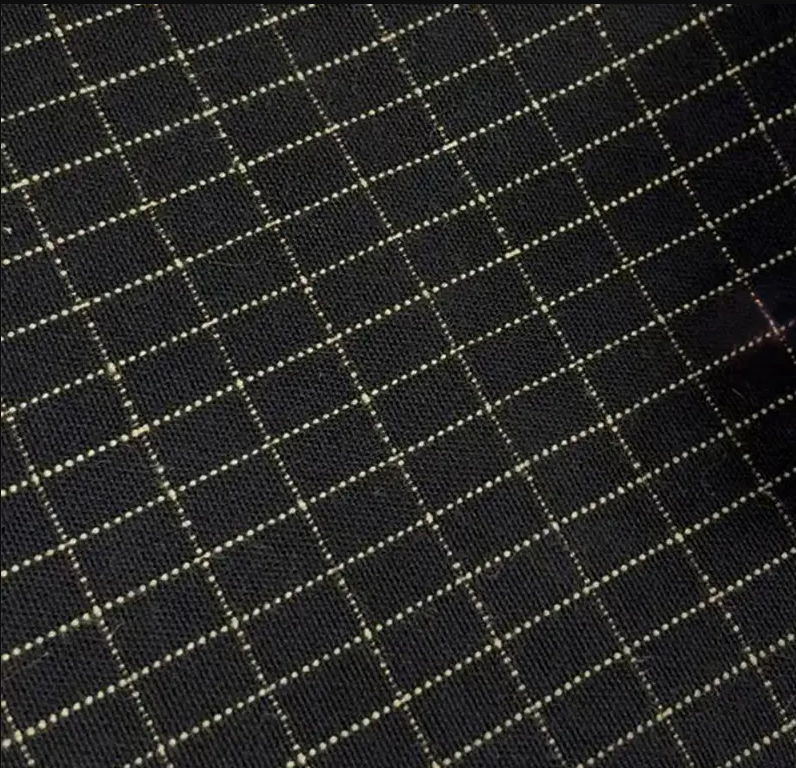
How Fireproof and Heat-Insulating Fabric Differs from Regular Fabrics
Fireproof and heat-insulating fabric is a specialized material designed to offer superior protection against extreme heat and fire. While regular fabrics such as cotton, polyester, or wool may serve basic functions like comfort and appearance, they do not offer the same level of heat resistance or flame retardancy as fireproof and heat-insulating fabric. This article explores the primary differences between these advanced fabrics and more common materials, highlighting why fireproof and heat-insulating fabrics are essential in certain industries and safety applications.
Material Composition
One of the most significant differences between fireproof and heat-insulating fabric and regular fabric lies in their material composition. Fireproof fabrics are often made from fibers like aramid (such as Nomex), fiberglass, or basalt, which have inherent heat-resistant properties. These fibers are specifically engineered to withstand high temperatures without degrading or losing their strength. In contrast, regular fabrics like cotton or polyester do not have this natural resistance to fire or heat. Instead, they are prone to catching fire and burning easily when exposed to high temperatures or flames.
Heat and Flame Resistance
The most obvious difference is in the fabric’s ability to resist heat and flames. Fireproof and heat-insulating fabric is treated or woven in such a way that it provides a barrier against heat transfer. These fabrics either reflect or absorb heat to prevent it from reaching the wearer or the underlying material. In addition to flame resistance, fireproof and heat-insulating fabric also limits the transfer of heat, making it ideal for protective clothing in industries like firefighting, aerospace, and manufacturing. Regular fabrics, on the other hand, may catch fire rapidly and allow heat to pass through, offering no real protection.
Durability and Strength
Fireproof and heat-insulating fabric is designed for extreme durability and strength, especially in harsh conditions. The fibers used in these fabrics are engineered to maintain their integrity under high heat and flame exposure. They are also resistant to wear and tear, making them suitable for long-term use in critical safety environments. Regular fabrics, in contrast, may weaken or degrade when exposed to heat over time. Cotton, for example, loses its strength when it burns, while synthetic fabrics like polyester can melt under high temperatures, making them unsuitable for use in high-risk environments.
Applications and Usage
The applications of fireproof and heat-insulating fabric are significantly different from those of regular fabrics. These specialized materials are used in protective clothing for firefighters, industrial workers, and military personnel, as well as in safety equipment, insulation, and construction materials. Their primary purpose is to protect the wearer or object from extreme heat, flames, and thermal damage. In contrast, regular fabrics are used primarily for everyday clothing and home textiles, where heat resistance is not a critical requirement.
The key differences between fireproof and heat-insulating fabric and regular fabric lie in their material composition, heat and flame resistance, durability, and applications. Fireproof and heat-insulating fabric is specially designed to protect against extreme temperatures and fire, offering superior safety features that regular fabrics cannot match. Whether used in protective clothing or industrial applications, these fabrics are crucial for ensuring safety in environments exposed to high heat and flames.
Categories
Read More
"Electronics Shutter Market Summary: According to the latest report published by Data Bridge Market Research, the Electronics Shutter Market The global electronics shutter market size was valued at USD 46.21 billion in 2025 and is expected to reach USD 59.00 billion by 2033, at a CAGR of 3.10% during the forecast period The reliable Electronics Shutter...

Owning a swimming pool is a great investment, but proper care is necessary to keep it clean, safe, and functional. Regular maintenance helps prevent costly repairs, protects pool surfaces, and ensures water quality remains safe for use. Swimming Pool Maintenance Franklin Park IL focuses on keeping pools in excellent condition throughout the year. Benefits of Professional Pool Maintenance...

Hydrogen Peroxide is a highly versatile chemical compound widely used in healthcare, paper bleaching, water treatment, textile processing, chemical manufacturing, and disinfectant applications. Known for its strong oxidizing and bleaching properties, Hydrogen Peroxide plays an essential role across multiple industrial sectors globally. Due to increasing industrial demand and expanding...
What makes his arrival at particularly timely is a broader shift in how consumers relate to objects. People are looking at product differently now, Kim is the story. There are inherent narratives in the way it is designed and built. So she sought out other pieces that telegraphed the same power, sourcing vintage and with an emphasis on strong shoulders. You take up space differently. You're...

Burn injuries can leave lasting effects that go far beyond the initial wound. They often alter the skin's appearance, affect movement, and influence a person's confidence in daily life. Burn Reconstructive Surgery in Islamabad has become an advanced solution for individuals seeking to improve both the function and appearance of skin affected by burns. Modern reconstructive techniques are...
