Sound System Guide: How to Build Clear, Balanced, and Powerful Audio
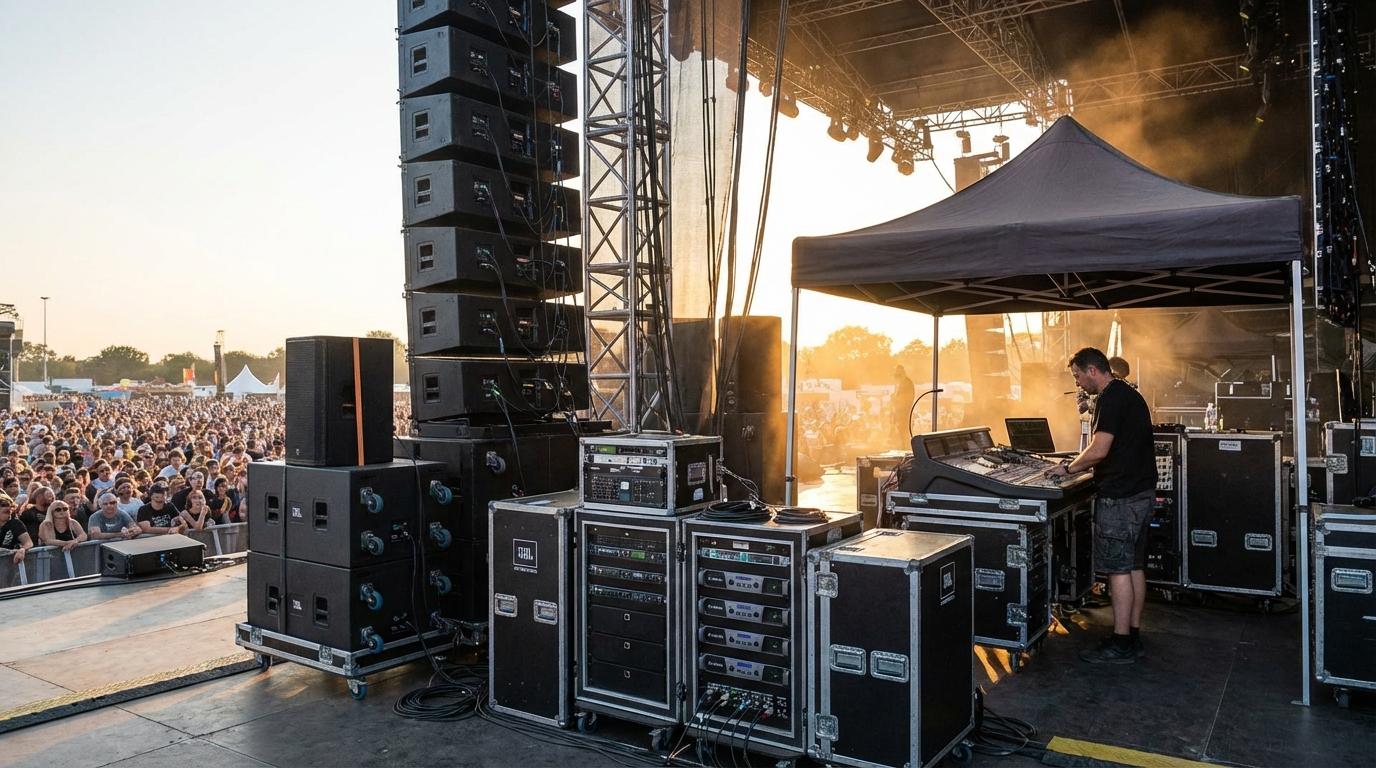
A well-designed sound system can completely transform how you experience music, movies, or live events. It’s not just about loudness—it’s about clarity, balance, and how sound fills the space.
Whether you’re setting up a home theater, upgrading your office audio, or planning an event setup, understanding the basics of a sound system helps you make better decisions.
What Is a Sound System?
A sound system is a combination of components that work together to capture, amplify, and reproduce audio. It usually includes:
-
speakers (bookshelf, floor-standing, or ceiling-mounted)
-
amplifiers or AV receivers
-
subwoofers for low-frequency sound
-
audio sources like mixers, laptops, or media players
Each part plays a role in delivering a complete listening experience.
Types of Sound Systems
Home Sound Systems
Designed for everyday use, these systems focus on comfort and entertainment. Many include surround sound for movies and TV.
Professional Sound Systems
Used in events, weddings, and conferences, these systems are built for larger spaces and higher output.
Studio Sound Systems
Studio monitors are designed for accuracy, making them ideal for recording and audio editing.
Key Factors to Consider
Room Size and Acoustics
Sound behaves differently depending on room size and materials. Hard surfaces can cause echo, while soft materials absorb sound.
Speaker Placement
Correct positioning improves sound clarity and prevents distortion.
Frequency Balance
A good sound system should deliver clear highs, balanced mids, and deep bass.
Connectivity Options
Modern systems support Bluetooth, Wi-Fi, and wired connections for flexibility.
How to Improve Sound Quality
Even the best equipment needs proper setup. You can improve your sound system by:
-
placing speakers at ear level
-
reducing echo with acoustic panels
-
using sound dampening sheets or rugs
-
adjusting equalizer settings
Small changes can make a noticeable difference.
Common Mistakes to Avoid
-
focusing only on volume instead of clarity
-
ignoring room acoustics
-
mixing incompatible components
-
poor cable management
Avoiding these mistakes ensures better performance.
Conclusion
A high-quality sound system is about more than equipment it’s about how everything works together. With the right setup and attention to detail, you can create an audio experience that feels immersive and natural.
Categorias
Leia Mais
So, you've built a website. You've written some content. Maybe you've even done a bit of SEO. But the traffic just isn't coming. Sound familiar? Here's the thing. Getting people to find your site isn't just about what's on your pages. It's also about who's talking about you out there on the internet. And that's exactly where guest posting comes in. It's not a new concept. But it works....

Freedom in movement is something most people notice only when it’s missing. Stiff shoes, heavy soles, and poor support can make even simple walks feel tiring. On Cloud Shoes are designed to change that experience by giving your feet the space, comfort, and responsiveness they need to move naturally. Whether you’re running, walking, traveling, or spending long hours on your...

Introduction: The Rise of Real-Time IPL Engagement The Indian Premier League continues to dominate the world of cricket entertainment. Every season attracts millions of viewers who follow matches closely, discuss team performances, and stay updated with every important moment. However, fan behavior has changed significantly in recent years. Modern audiences expect instant access to information....

promo code 1xbet: 1XBIG2026. Use the code in 2026 and receive a bonus of up to $130. Register now and enjoy the best sports betting and casino games. Additionally, to withdraw winnings, you must wager the bonus amount no more than 5 times within 30 days. In our experience, this is more than enough time to meet the wagering requirements. However, you can only place accumulator bets...

Market OverviewThe global Hot Sauce Market is expanding rapidly, driven by increasing demand for fusion flavors and the continuous growth of the foodservice industry. The market is projected to grow at a strong CAGR during the forecast period, supported by changing consumer tastes and the popularity of spicy, flavorful cuisines worldwide.Hot sauces are widely used to enhance taste, offering...