


How to Control Heat in Your Portable Charcoal BBQ Grill
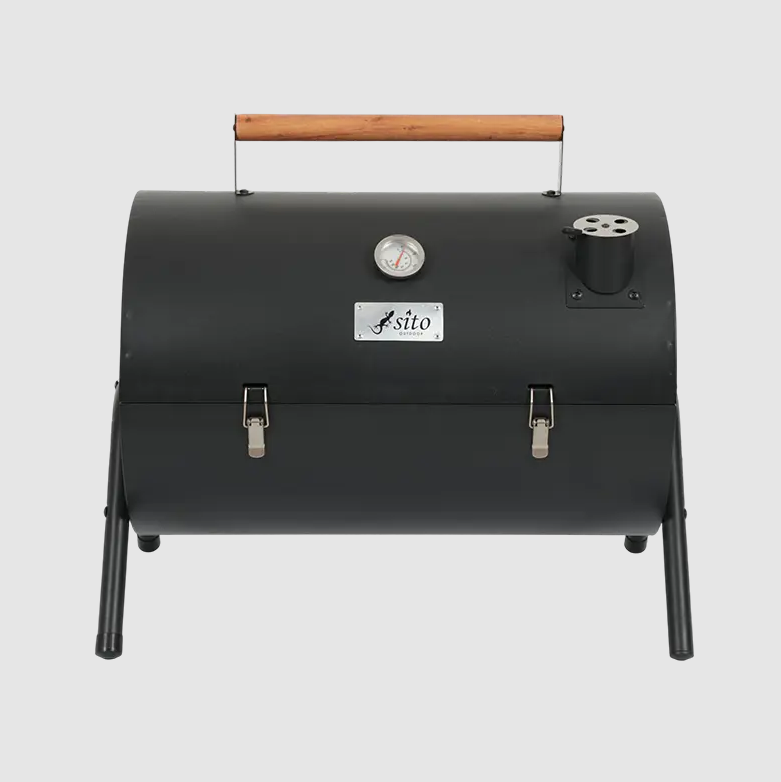
Introduction: The Importance of Heat Control
When using a Portable Charcoal BBQ Grill, one of the most crucial factors to ensure great grilling results is heat control. Unlike gas grills that offer precise temperature settings, charcoal grilling requires a bit more skill and attention to maintain consistent heat. Understanding how to control the heat on a Portable Charcoal BBQ Grill can help you cook food more evenly, avoid burning, and enhance the flavors of your meals.
Managing Charcoal for Temperature Control
The first step in controlling the heat of your Portable Charcoal BBQ Grill is by managing the amount and arrangement of charcoal. More charcoal generally leads to higher temperatures, while less charcoal results in lower heat. When setting up your grill, aim for a two-zone setup by placing charcoal on one side of the grill, creating both a direct and indirect cooking area. Direct heat will allow you to sear meats, while the indirect side ensures slower cooking at a lower, more controlled temperature. The arrangement of charcoal allows you to regulate temperature more effectively, providing more cooking flexibility.
Controlling Airflow Through Ventilation
Airflow plays a critical role in heat control when using a Portable Charcoal BBQ Grill. Charcoal burns hotter with more oxygen, so controlling the airflow through the grill’s vents is an effective way to regulate temperature. By adjusting the bottom and top vents, you can increase or decrease the amount of air reaching the coals. Opening the vents wide will increase airflow, raising the temperature, while closing them partially will reduce airflow and lower the heat. This control gives you the ability to fine-tune the cooking temperature depending on what you’re grilling.
Using the Lid to Retain Heat
Another essential aspect of heat control on your Portable Charcoal BBQ Grill is managing the lid. Keeping the lid closed while cooking traps heat inside, which helps maintain a steady cooking temperature and prevents heat from escaping. A closed lid also helps to cook food more evenly by circulating the hot air around it. If you want to increase the heat, you can open the vents fully, but keeping the lid closed as much as possible will allow you to better control the cooking environment and avoid fluctuations in temperature.
Monitoring the Grill Temperature
To ensure accurate heat control, it’s important to regularly monitor the temperature of the grill. Using a thermometer can help you gauge the internal heat of the grill and make necessary adjustments. Many Portable Charcoal BBQ Grills come with built-in thermometers, but you can also invest in a separate probe thermometer to check the temperature more precisely. Knowing the temperature range of your grill will help you determine the best heat setting for different types of food, from high-heat grilling for steaks to lower temperatures for slow-roasting chicken.
Achieving Perfect Heat Control
Mastering heat control on a Portable Charcoal BBQ Grill involves managing charcoal placement, adjusting airflow through vents, and using the lid effectively. These steps allow you to maintain consistent heat, avoid overcooking or burning, and enhance your overall grilling experience. By understanding how to control the temperature, you can ensure that each grilling session results in perfectly cooked food, from crispy sears to tender roasts. With practice, you’ll be able to achieve the ideal heat for any type of grilled dish.
Size: 44.5*17.92*41.75 inches
Weight: 52.91 lbs
Size: 53.55*17.92*41.75 inches
Weight: 57.32 lbs
Categorias
Leia Mais
Many PUBG Mobile and BGMI enthusiasts dream of adding a special character to their roster beyond the default and standard Victor. These characters boast distinct voice lines, unique voiceovers, and exclusive outfits that set them apart. Unfortunately, some players overlook the opportunity to unlock these characters because they are unaware of the methods or miss in-game notifications about how...

The market research for the global Atrial Appendage Occluder market is an accumulation of first-hand facts and quantitative and qualitative evaluation and analysis for the forecast period (2024-2032). The report offers a comprehensive assessment of macro-economic indicators, parent market trends, and several factors influencing the market dynamics. In addition, it also assesses...

Trouver un bon endroit où manger peut sembler simple, mais lorsque l’on recherche une expérience cohérente, savoureuse et adaptée à ses préférences, le choix devient plus réfléchi. En France, la restauration est un secteur dynamique, et les options sont nombreuses : cuisines du monde, établissements traditionnels,...

global High Temperature Chain Lubricant market demonstrates stable growth, with its valuation reaching USD 278.4 million in 2024. According to the latest industry analysis, the market is projected to expand at a CAGR of 4.7%, reaching approximately USD 366.7 million by 2030. This steady progression is primarily driven by increasing industrial automation and the need for specialized lubrication...

The 2026 DICE Awards ceremony, held in Las Vegas, celebrated a year of remarkable achievements in interactive entertainment. The evening's biggest winner was Sandfall Interactive's acclaimed title, Clair Obscur: Expedition 33, which secured the coveted Game of the Year honor among its five total awards. Sucker Punch Productions' Ghost of Yōtei earned three awards, including Outstanding...