Choosing the Right Carbide Boring Bar for Internal Turning
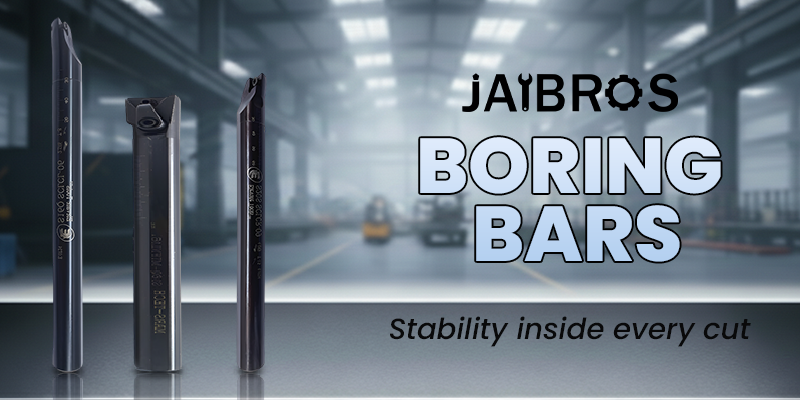
Learn how to choose the right carbide boring bar for internal turning in CNC machining. Discover tool selection tips, benefits, and machining best practices.
How to Select a Carbide Boring Bar for Internal Machining
Internal turning is one of the most important operations in CNC machining. Many industrial components require accurate internal diameters and smooth finishes to function properly. Achieving such precision depends not only on the CNC machine but also on the tools used during the machining process. One of the most reliable tools used for this purpose is the carbide boring bar.
Internal turning is more complex than external turning because the cutting tool works inside the workpiece. Limited space, heat buildup, and vibration can affect machining accuracy. Because of these challenges, selecting the right tool becomes extremely important for machinists and CNC operators.
Understanding Internal Turning in CNC Machining
Internal turning, also known as boring, is the process of enlarging or finishing an existing hole inside a workpiece. Unlike drilling, which creates a hole, boring improves the accuracy and surface finish of that hole.
During this process, machinists use a specialized cnc tool that can operate inside the material while maintaining cutting stability. The design and material of the cutting tool determine how effectively it performs during the operation.
A properly selected carbide boring bar allows machinists to achieve tight tolerances and consistent internal dimensions in many types of machining applications.
Importance of Selecting the Right Boring Tool
Selecting the right tool is essential for maintaining machining quality and efficiency. A poorly chosen tool may cause vibration, tool deflection, or poor surface finish. These issues can result in rejected parts and wasted material.
A well-designed carbide boring bar provides the rigidity needed for stable internal machining. Carbide tools are known for their strength and wear resistance, which allows them to maintain cutting performance for longer periods.
When machinists choose the correct tool for a specific application, they can reduce machining problems and improve production efficiency.
Factors to Consider When Choosing a Boring Tool
Several factors must be considered before selecting a tool for internal turning operations. The size of the hole, machining depth, workpiece material, and machine capabilities all influence the choice of tool.
The diameter of the hole determines the size of the tool that can be used. The tool must be small enough to fit inside the bore while still providing enough rigidity for stable cutting.
The depth of the bore also plays a role in tool selection. Deeper holes require tools with greater stiffness to prevent vibration during machining. This is one reason why many machinists prefer solid carbide boring bars, as they offer superior rigidity compared with many alternative materials.
Tool Rigidity and Stability
Rigidity is one of the most important characteristics of any boring tool. When a tool lacks rigidity, it may bend or vibrate while cutting. This can create chatter marks on the surface and reduce dimensional accuracy.
A strong carbide boring bar helps minimize these problems because carbide material has high stiffness and strength. The increased rigidity allows the tool to maintain stable cutting conditions even during deep internal machining operations.
Stable machining improves surface quality and ensures that the finished component meets design specifications.
Insert Compatibility and Cutting Performance
Another important consideration when selecting a boring tool is insert compatibility. Inserts are the replaceable cutting edges that perform the actual material removal.
Different inserts are designed for different materials and machining conditions. Selecting the correct insert geometry helps improve chip control and cutting efficiency.
When used with a high-quality carbide boring bar, the right insert combination can significantly improve machining performance and reduce tool wear.
Tool Overhang and Vibration Control
Tool overhang refers to the length of the tool extending from the tool holder. Excessive overhang reduces rigidity and increases the chances of vibration during machining.
To maintain stability, machinists should keep the tool overhang as short as possible. A properly installed carbide boring bar with minimal extension will perform better and produce smoother internal surfaces.
Controlling vibration is essential for achieving precise machining results, especially in high-precision industries such as aerospace and automotive manufacturing.
Selecting the Correct Tool Size
Choosing the correct tool size is another key factor in internal turning operations. The tool diameter should match the size of the bore while maintaining asufficient strength for cutting forces.
Many workshops invest in a carbide boring bar set that includes multiple tool sizes. This allows machinists to choose the most appropriate tool for different machining applications.
Having a variety of tools available improves flexibility and ensures that each job is performed using the most suitable equipment.
Cost Considerations and Tool Value
When selecting cutting tools, machinists often compare the carbide boring bar price among different suppliers. While price is an important factor, the overall value of the tool should also be considered.
High-quality tools may have a higher initial cost, but they usually offer better durability and longer tool life. This reduces the frequency of tool replacements and lowers long-term production costs.
Investing in reliable tooling solutions helps maintain consistent machining performance and improves overall manufacturing efficiency.
Maintaining Boring Tools for Best Performance
Proper maintenance of cutting tools is essential for maintaining machining accuracy. Tools should be inspected regularly to check for wear or damage on the cutting edges.
Keeping the tool holder clean and ensuring proper alignment also helps maintain stable cutting conditions. When tools are maintained properly, machining operations become more reliable and consistent.
A well-maintained carbide boring bar can continue delivering accurate internal machining results for a long time.
Future Trends in Internal Turning Tools
Manufacturing technology continues to evolve with the development of advanced CNC machine tool and improved cutting tools. Modern tooling solutions are designed to increase productivity while maintaining high levels of accuracy.
Advanced coatings, improved insert geometries, and better tool materials are making internal machining more efficient than ever before.
Despite these advancements, the carbide boring bar remains a fundamental tool for internal turning because of its reliability, strength, and precision.
Conclusion
Internal turning operations require precision, stability, and the right tooling solutions. Choosing the correct boring tool is essential for achieving accurate internal dimensions and smooth surface finishes.
The carbide boring bar offers several advantages for machining operations, including high rigidity, excellent durability, and improved machining accuracy. These features make it one of the most trusted tools for internal machining applications.
By carefully selecting the right tool size, maintaining proper machining conditions, and using high-quality equipment such as solid carbide boring bars, machinists can achieve excellent results in modern CNC machining environments.
FAQs
1. What is a carbide boring bar used for?
A carbide boring bar is used for internal turning operations in CNC machines to enlarge or finish holes with high precision.
2. Why are solid carbide boring bars preferred in machining?
They provide greater rigidity and vibration resistance, which helps improve machining accuracy and surface finish.
3. What factors affect carbide boring bar price?
The price depends on tool material, coating technology, size, brand, and the durability of the cutting tool.
4. How do machinists select the right boring tool?
Machinists consider factors such as hole diameter, machining depth, workpiece material, and machine capability.
5. Why do workshops buy a carbide boring bar set?
A carbide boring bar set provides multiple tool sizes, allowing machinists to handle different internal machining applications efficiently.
Categorii
Citeste mai mult
...

Cricket is one of the most loved sports in the world, especially in countries like India where millions of fans follow every match closely. As digital platforms continue to grow, many cricket fans are looking for ways to stay more connected with the game beyond simply watching it on television. This is where platforms like Cricbet99 are gaining attention. With a simple interface,...

NEWARK, DELAWARE | March 30, 2026 — The GCC functional food and beverage market is entering a transformative era, evolving from a niche expatriate-driven segment into a cornerstone of national public health strategy. Valued at USD 18.20 billion in 2025, the market is projected to reach USD 20.18 billion in 2026. Propelled by a strong 10.9% CAGR, the sector is...

Hướng Dẫn Chi Tiết Cách Cài Đặt GO88 – Trải Nghiệm Game Đỉnh Cao Ngay Trên Thiết Bị Của BạnBạn đang tìm kiếm một nền tảng giải trí trực tuyến đẳng cấp, nơi quy tụ hàng ngàn trò chơi hấp dẫn và mang đến cơ hội đổi đời? GO88 chính là cái tên bạn không thể bỏ lỡ. Để bắt đầu hành trình...

Moses Painting Services LLC is a trusted name for quality painting. Homeowners and businesses know the value of skilled experts in this field. Fresh paint changes the look of any place and adds new life. Customers often look for professional painters when they want reliable results quickly. Our company delivers both style and durability with every project we complete. We have years of...