Prevent Warping or Damage to Your Roasting Pan
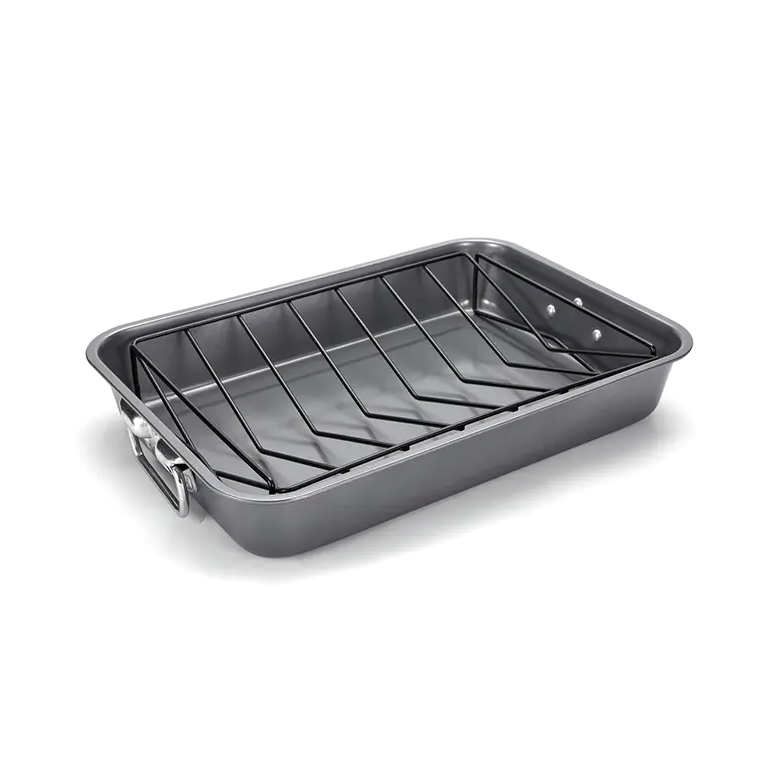
Introduction: The Risk of Warping in High Heat
Using a roasting pan at high temperatures is common for roasting meats, vegetables, and baking, but prolonged exposure to intense heat can cause warping or damage. Warping occurs when the material of the pan expands unevenly, leading to structural changes that can make the pan difficult to use. Fortunately, there are several ways to prevent your roasting pan from being damaged in the heat, ensuring that it remains effective and durable for years to come.
Choose the Right Material
The material of your roasting pan plays a significant role in its ability to withstand high temperatures. Stainless steel, cast iron, and enameled cast iron are some of the most heat-resistant materials used in roasting pans. Stainless steel, while lightweight, can still handle high heat when crafted with a heavy-gauge construction. Cast iron, although heavy, offers exceptional durability and heat retention, making it an excellent choice for high-temperature roasting. When purchasing a roasting pan, ensure that it is designed for high-heat use by checking the manufacturer’s guidelines for maximum temperature limits.
Avoid Sudden Temperature Changes
One of the main causes of warping in a roasting pan is exposing it to sudden temperature changes. Moving the pan directly from a cold environment to a hot oven, or placing a hot pan on a cold surface, can lead to thermal shock, causing the material to expand or contract unevenly. To prevent this, always allow your roasting pan to gradually reach the temperature of the oven. Avoid placing a hot roasting pan directly onto cold surfaces like countertops or the sink. Let it cool down slowly to room temperature before washing it.
Use the Correct Oven Temperature
Using the proper oven temperature is key to avoiding damage to your roasting pan. High temperatures above the recommended limit can cause the pan to warp or become discolored. Before starting your roasting process, double-check the temperature recommendations from the manufacturer to ensure that you do not exceed the pan’s maximum safe temperature. Avoid using your roasting pan on settings like broil, which can generate extreme direct heat that may exceed the pan’s tolerances.
Do Not Overcrowd the Pan
When using a roasting pan, overcrowding can also increase the chances of warping. By overloading the pan with too much food, you may cause uneven heat distribution and excessive weight on the pan’s bottom. This can lead to strain on the material and result in deformation. To avoid this, make sure the food in your roasting pan is spaced out evenly, allowing for proper heat circulation. Additionally, try not to exceed the recommended weight capacity, as stated by the manufacturer, for optimal performance and durability.
Clean with Care
After using your roasting pan, proper care during cleaning is essential to maintaining its shape. Avoid using abrasive cleaning tools or harsh chemicals that could damage the pan’s surface or its protective coating. For materials like non-stick, enameled cast iron, or stainless steel, use gentle sponges and mild detergents. Regularly check for any signs of damage, such as chips or cracks, especially if your pan has a non-stick surface. Over time, wear and tear can weaken the material, making it more prone to warping.
Proper Care Extends the Life of Your Roasting Pan
Preventing your roasting pan from warping or sustaining damage at high temperatures involves choosing the right material, avoiding extreme temperature changes, using proper oven settings, and handling the pan with care. By following these simple precautions, you can ensure that your roasting pan continues to perform at its best, providing reliable results and lasting durability for your cooking needs. With the right attention, your roasting pan will serve you well for many years, making every roasting experience a success.
Categorie
Leggi tutto
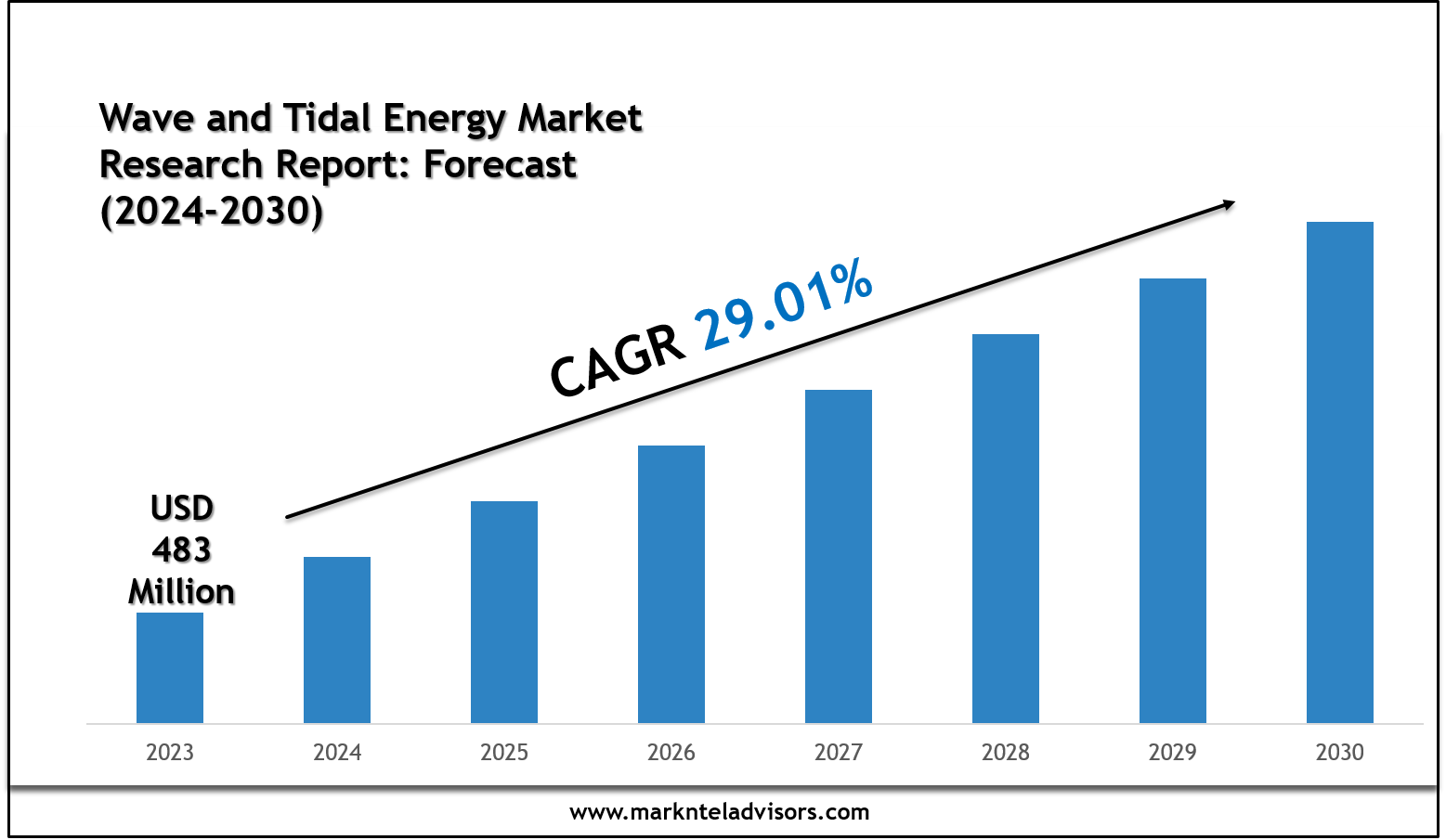
The Wave and Tidal Energy Market reports delivers an in-depth assessment of market size, share, and emerging trends, offering valuable insights into growth opportunities. It examines market segmentation and definitions, highlighting core components and key drivers of expansion. By applying SWOT and PESTEL analyses, the study evaluates the sector’s strengths, weaknesses,...
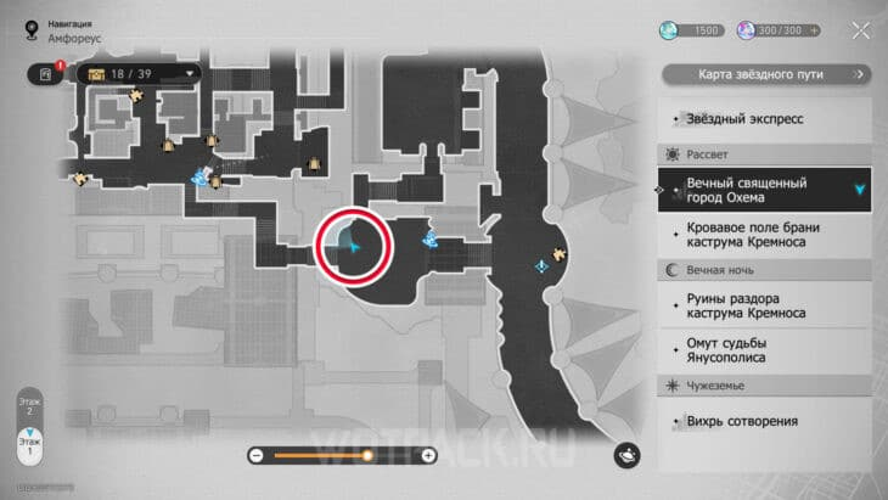
„Gespräch mit Stein“ freischalten Um die Errungenschaft „Gespräch mit einem Stein“ in Honkai: Star Rail freizuschalten, müssen Sie zunächst den örtlichen Riesenwächter im Ewigen Land aufsuchen. Dieser Wächter, genannt Petros, ist eine bronzene Amphore, die als Symbol für Ausdauer dient. Sobald Sie ihn gefunden haben, sollten Sie...
The 1xBet promo code in 2026 is 1XBIG2026 for VIP bonuses - up to €1950 + 150 free spins on casino and 100% up to €130 on sportsbook. Place bets on Sports and Live events and receive free promotional codes. Enjoy extra rewards, free spins, and more as you boost your betting. This code will get you an extra 30% bonus when making your first deposit! 1XBET promo code in 2026? Use...

ever-evolving world of streetwear, a few standout pieces capture not only the style of the times but also the Sp5der Hoodie cultural pulse of urban fashion. The Streetcore Spider Hoodie is one such piece, a perfect embodiment of comfort, design innovation, and bold self-expression. This classic pullover with a striking spider graphic has quickly risen from being a niche choice for...

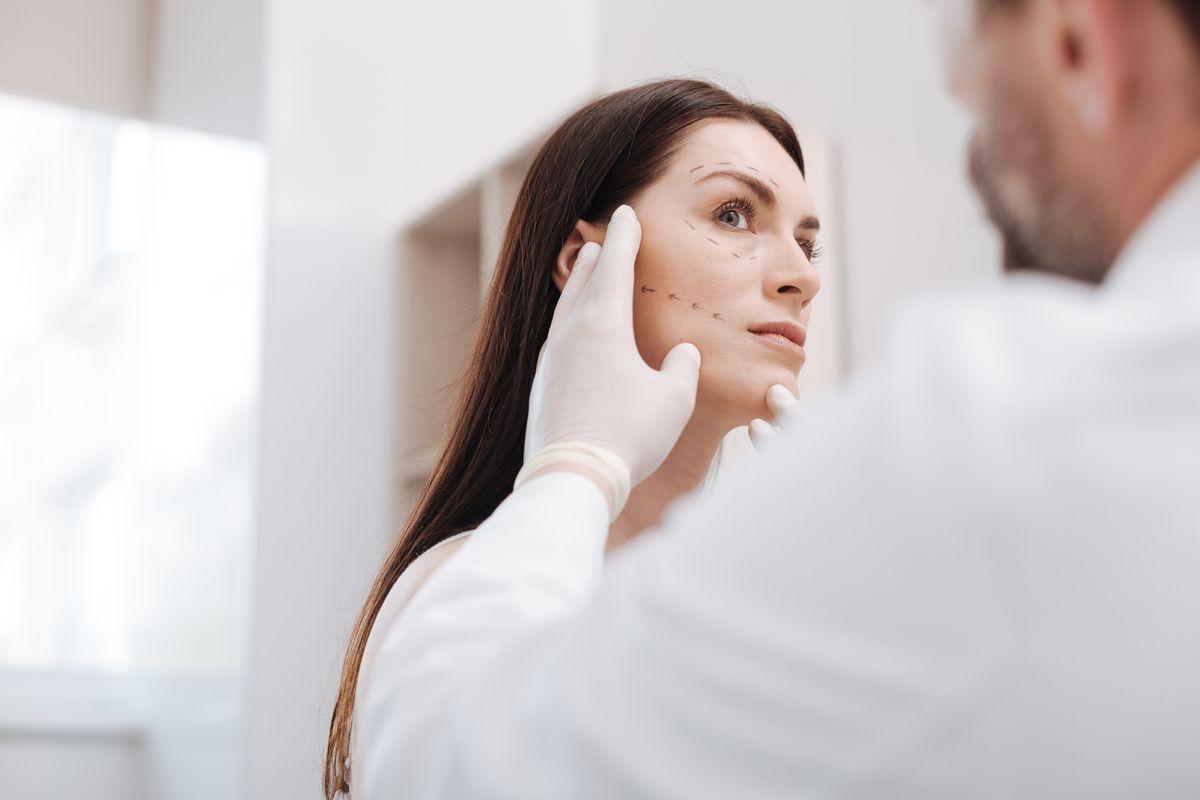
Finding a surgeon who focuses on subtle enhancements that highlight your natural features, rather than drastic changes, is essential. Best Plastic Surgeon, in Riyadh, Jeddah & Saudi Arabia can transform not only your appearance but also your confidence. Expertise, precision, and understanding of individual aesthetics are key factors that make the results feel authentic and long-lasting....