


Ashtanga Opening Mantra: Meaning, Importance, and Practice Guide
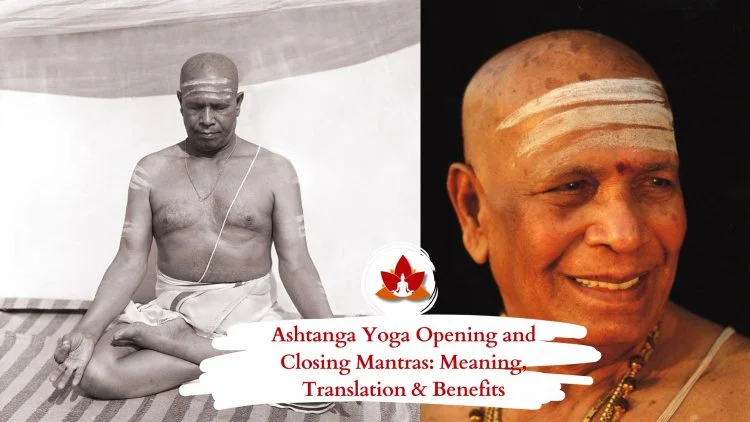
The ashtanga opening mantra is an essential part of the traditional Ashtanga Yoga practice, recited at the beginning of every session to honor the lineage of teachers and prepare the mind for a focused and disciplined practice. Rooted in ancient Sanskrit traditions, this mantra is not just a ritual—it is a powerful invocation that connects practitioners to a deeper spiritual purpose, fostering humility, gratitude, and inner awareness.
What is the Ashtanga Opening Mantra?
The ashtanga opening mantra is a sacred chant traditionally recited before starting an Ashtanga Yoga session. It is a way of paying respect to the teachers who have passed down the knowledge of yoga through generations. The mantra acknowledges the importance of guidance, wisdom, and the removal of ignorance, allowing practitioners to approach their practice with a calm and receptive mindset.
The Sanskrit Text
Vande Gurūṇāṁ Caraṇāravinde
Sandarśita Svātma Sukhāvabodhe
Niḥśreyase Jāṅgalikāyamāne
Saṁsāra Hālāhala Mohāśāntyai
Ābāhu Puruṣākāraṁ
Śaṅkha Cakrāsi Dhāriṇam
Sahasra Śirasaṁ Śvetaṁ
Praṇamāmi Patañjalim
Meaning of the Ashtanga Opening Mantra
Understanding the meaning of the ashtanga opening mantra enhances its impact and helps practitioners connect more deeply with its intention.
-
The first verse honors the guru, or teacher, who guides students toward self-realization and inner happiness.
-
It expresses gratitude for the wisdom that removes the poison of ignorance and illusion.
-
The second verse pays homage to Patanjali, the sage who compiled the Yoga Sutras, symbolizing knowledge, clarity, and discipline.
In essence, the mantra is a reminder that yoga is not just a physical practice but a journey toward self-awareness and liberation.
Importance in Ashtanga Yoga Practice
The ashtanga opening mantra plays a crucial role in setting the tone for the practice. Chanting it regularly offers several benefits:
1. Mental Preparation
Reciting the mantra helps calm the mind and shift focus inward. It allows practitioners to leave behind distractions and enter a meditative state.
2. Respect for Tradition
The mantra connects modern practitioners with the ancient roots of yoga, preserving its authenticity and spiritual depth.
3. Energetic Alignment
The vibration of Sanskrit sounds is believed to influence the body’s energy system, creating harmony and balance.
4. Cultivating Gratitude
By honoring teachers and the lineage, practitioners develop humility and appreciation, which are key aspects of yogic philosophy.
How to Chant the Ashtanga Opening Mantra
To get the most benefit from the ashtanga opening mantra, it is important to chant it correctly and mindfully:
-
Sit comfortably in a quiet space before beginning your practice.
-
Keep your spine straight and your body relaxed.
-
Take a few deep breaths to center yourself.
-
Chant slowly, focusing on pronunciation and meaning.
-
Allow the sound vibrations to resonate within your body.
Consistency is more important than perfection. Even if pronunciation is not exact, sincere intention makes the practice meaningful.
When to Use the Ashtanga Opening Mantra
The ashtanga opening mantra is traditionally chanted:
-
At the beginning of every Ashtanga Yoga session
-
Before meditation or pranayama practices
-
During group classes to create a collective energy
Some practitioners also use it as a daily affirmation to stay grounded and connected to their spiritual path.
Benefits of Regular Practice
Incorporating the ashtanga opening mantra into your routine can bring long-term benefits:
-
Improved concentration and mindfulness
-
Enhanced emotional stability
-
Stronger connection to yogic philosophy
-
Greater sense of inner peace
-
Deeper spiritual awareness
Over time, the mantra becomes more than just words—it transforms into a powerful tool for self-growth and inner transformation.
Final Thoughts
The ashtanga opening mantra is a timeless practice that bridges the gap between physical movement and spiritual awareness. By chanting it with sincerity and understanding, practitioners can elevate their yoga journey, making it more meaningful and holistic. Whether you are a beginner or an experienced yogi, embracing this mantra can deepen your connection to the true essence of yoga and guide you toward a more balanced and mindful life.
Nach Verein filtern
Read More
Creating your own game is a completely achievable goal, although the path may not be easy. Today, the game development industry is more open than ever: available engines, educational materials, communities. But along with the opportunities, the complexity also grows - the competition is high, and the demands of players are constantly growing. That is why the main rule of a modern developer is...

Matthew Broderick has been cast in Netflix's upcoming apocalyptic dramedy series Daybreak, where he'll portray Principal Burr, the enthusiastic leader of Glendale High School. Principal Burr is characterized as an optimistic administrator who maintains personal connections with students, even knowing their preferred Overwatch gaming characters. He represents a modern educator attempting to...

Making Blue Prism ASD01 Exam Study Simple and Stress-Free Preparing for the Blue Prism ASD01 exam does not have to feel stressful or confusing. Many students struggle because they study too much without a clear plan. They read many resources but still feel unsure about what really matters for the exam. Choosing clear and trusted Blue Prism ASD01 study material makes preparation simple, focused,...

Searching for supply and install air conditioner Melbourne usually means you’re trying to find a complete solution rather than just buying a unit. In Melbourne’s mixed climate, where hot summers can arrive suddenly, having a properly chosen and installed air conditioning system is essential for maintaining indoor comfort in both homes and workplaces. The process is not just about...

Joe Ryan #41 of the Minnesota Twins might be a best Pink ox exchange concentrate, primarily following the personnel did not produce a qualifying Deliver toward Lucas Minnesota Twins ended up dealt probably the worst information prospective inside of the MLB offseason with the announcement that Pablo Lopez will put up with Tommy John urgery toward maintenance his UCL and will pass up the total...
