Facing the Unknown: The Enduring Appeal of Horror Games
There’s a strange tension that horror games create, one that stays with you long after the controller is set down. Unlike movies or books, the fear is not just observed—it’s interactive. Every choice, every step into a dark corridor, every decision to hide or confront danger makes the experience deeply personal. You aren’t simply watching fear unfold; you are living it, and that makes it linger.
The Anticipation That Lasts
Horror games thrive on subtlety. Often the scariest moments aren’t jump scares—they’re the quiet, uncertain moments that stretch your nerves thin. A flicker of movement, a distant groan, a shadow at the edge of your vision—these small details prime your mind for fear. Games like Silent Hill, Amnesia: The Dark Descent, and Resident Evil are masters at this, turning ordinary spaces into sources of tension.
I’ve spent long stretches exploring dark hallways, listening intently to every sound, imagining threats that may or may not exist. That creeping dread grows gradually, and it’s precisely what makes horror games so immersive: the fear comes from your own anticipation as much as the game itself.
Psychological Fear
What makes horror games truly fascinating is how they tap into the mind. Psychological horror games—like Layers of Fear—blur reality, twist familiar spaces, and make the player question perception itself. The fear isn’t always external; it’s internal, emerging from your own expectations and imagination.
Watching others play reveals how personal horror can be. One person may explore confidently, adrenaline surging; another may freeze at the faintest sound, their imagination amplifying the tension. Horror games reflect our inner anxieties, making every playthrough a unique psychological experience.
[Internal link placeholder: psychological aspects of horror gameplay]
Vulnerability and Agency
Horror games often create tension by balancing agency with vulnerability. You can act and make choices, but you’re rarely in total control. Limited resources, unpredictable threats, and high-stakes decisions keep the player constantly alert.
Take Outlast, for instance: combat is impossible, so survival depends on hiding and fleeing. That lack of control amplifies the fear, making even mundane actions feel tense. Each successful escape or avoidance of danger feels meaningful, giving players a satisfying sense of achievement.
The Role of Sound
Sound is one of the most powerful tools in horror games. Footsteps echo, distant whispers create unease, and silence itself becomes oppressive. Combined with spatial design, audio manipulates perception, ensuring that tension remains constant even without visible threats.
I remember Resident Evil 7, where the faintest hiss in a corridor transformed an empty space into a terrifying environment. Sound primes the mind for danger, heightening suspense and keeping players engaged in a way visuals alone cannot.
[Internal link placeholder: immersive audio in horror games]
Returning to Fear
Despite—or perhaps because of—the stress, players return to horror games repeatedly. Curiosity, adrenaline, and catharsis all play a part. Surviving fear in-game is satisfying, providing a thrill that is difficult to replicate elsewhere.
I often revisit tense sequences, exploring missed areas or replaying moments to test different strategies. Horror games demand patience, focus, and courage, and reward players with lingering tension that remains long after the session ends.
Fear That Sticks
The lasting power of horror games lies in their ability to echo beyond gameplay. A creak, a shadow, or an unusual sound can revive the tension you felt in the game. Horror games don’t just scare—they immerse, challenge, and reflect the player’s relationship with fear.
They teach that fear isn’t simply an emotion—it’s a lived experience, shaped by anticipation, agency, and the unknown.
Категории
Больше
"Executive Summary Medium Molecular Weight Polyisobutylene Market: Share, Size & Strategic Insights CAGR Value The global medium molecular weight polyisobutylene market size was valued at USD 6.22 billion in 2024 and is expected to reach USD 9.26 billion by 2032, at a CAGR of 5.10% during the forecast period The Medium Molecular Weight Polyisobutylene...

A new growth forecast report titled IGBT & Thyristor Market Size, Share, Trends, & Industry Analysis Report By Packaging Type (IGBT Discrete and IGBT Module), By Power Rating, By Voltage, By Application, and By Region – Market Forecast, 2025–2034 introduced by Polaris Market Research represents conclusive data on the overall market. It majorly targets to provide a...

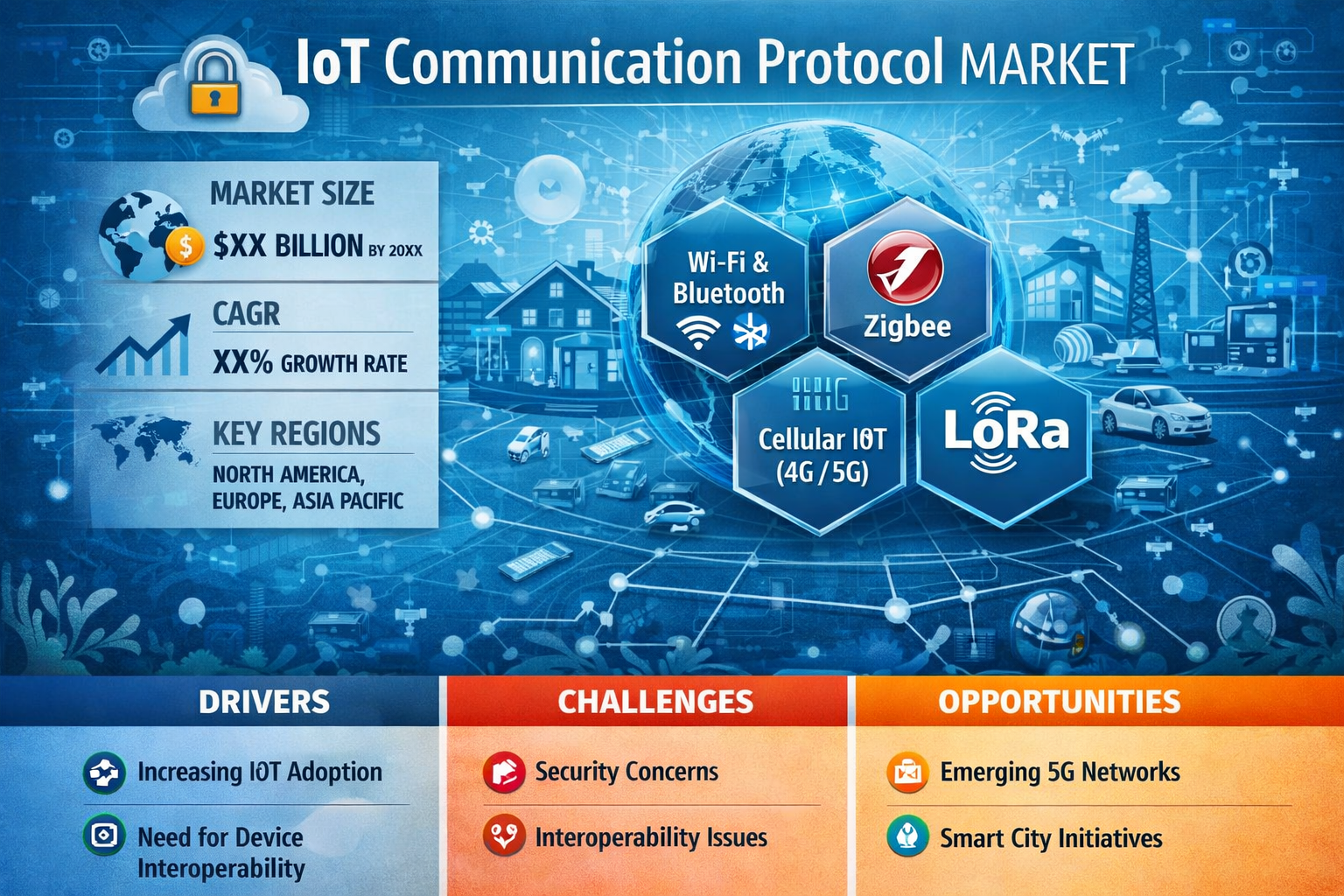
The IoT Communication Protocol Market Overview is experiencing steady growth as the global adoption of connected devices accelerates across industries. Communication protocols form the backbone of IoT ecosystems, enabling seamless interaction between devices, applications, and cloud platforms. According to The Insight Partners, the market is projected to reach US$ 21.25 million by 2031,...
Season 2 Overview The Night Agent is back in action, and this time, Peter Sutherland is calling the shots. All ten episodes of the thrilling second season are ready to stream on Netflix. The stakes are higher than ever, as Peter delves deeper into the shadowy Night Action organization. A possible mole lurks within, and experimental weapons threaten to fall into dangerous hands. Trust is a...

A lot of businesses still treat publicity like something only big corporations use, but that never felt completely true. Smaller brands can benefit from exposure too, sometimes even more because trust is harder to build when nobody knows the name. People trust what they keep seeing. That pattern has not changed much. That is one reason press and release still matters. Some call it old-school,...